
Sudden Hearing Loss in One Ear: Is it an Emergency?
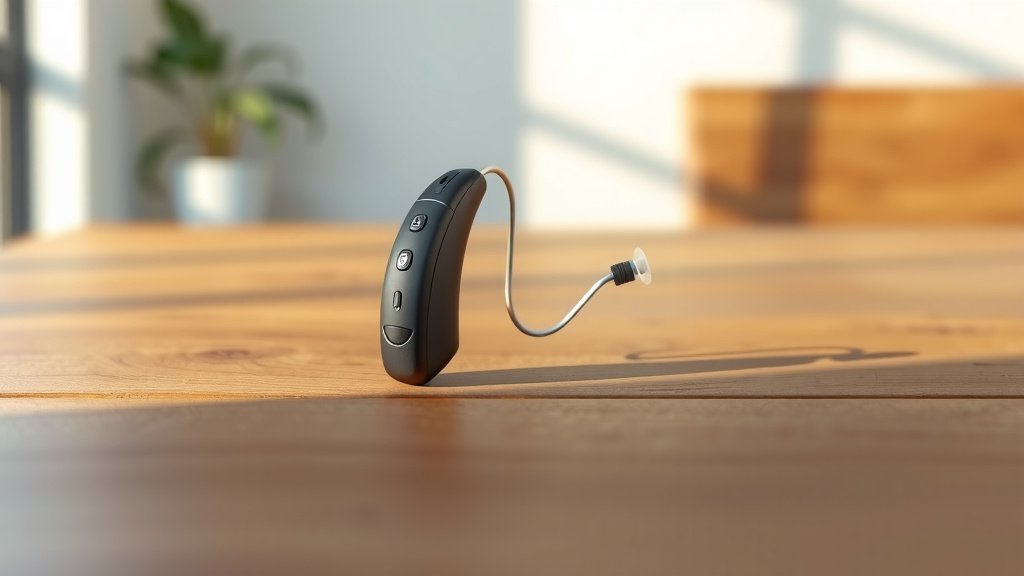
Sudden hearing loss in one ear can be an emergency, requiring immediate attention. If you experience this, consult a healthcare provider right away.
Recognizing the symptoms early is key to effective treatment and recovery.
Understanding Sudden Hearing Loss
Sudden hearing loss in one ear is a rapid loss of hearing. It usually happens over a few days. You wake up one morning, and suddenly, things sound muffled on one side.
Is It Really Sudden?
I found that this condition typically occurs instantly or within a span of up to three days. It’s like a fade-out effect in a movie, but not as entertaining.
How Common Is It?
Many experts say it affects approximately 1 in 5,000 people every year (Mayo Clinic). So, while it’s rare, it’s not impossible.
What Causes Sudden Hearing Loss?
The exact cause often remains unknown. Yet, there are several potential factors.
Possible Causes
- Infections such as viruses
- Stress or trauma
- Certain medications
- Circulation problems
From what I read, each of these can potentially lead to sudden hearing loss (NIH).
Why Is It an Emergency?
This condition demands immediate care because early treatment can enhance recovery chances. Quick action can be the difference between regaining or permanently losing hearing (Cleveland Clinic).
Symptoms to Look Out For
Aside from the obvious inability to hear on one side, there are other signs.
Additional Symptoms
- Feeling of fullness in the ear
- Ringing in the ear, known as tinnitus
- Dizziness or vertigo
If these occur, it’s time to see a doctor.
Diagnosis and Tests
Your healthcare provider will likely do a hearing test. They’ll check for an immediate hearing loss.
What to Expect
The tests may include physical examinations, audiograms, or MRIs. These help pinpoint the cause.
I came across information suggesting that early testing is vital for effective treatment (NIH).
Treatment Options
Your treatment plan depends on the underlying cause.
Common Treatments
- Corticosteroids to reduce inflammation
- Antiviral drugs if a virus is the culprit
- Hyperbaric oxygen therapy in some cases
Many guidelines point to steroids as a good first step (Mayo Clinic).
Natural Remedies: Are They Helpful?
While natural remedies intrigue many, they should not replace professional treatment. Always consult a healthcare provider first.
Possible Complications
If untreated, permanent hearing loss may occur. It can affect your quality of life and social well-being.
Living with Hearing Loss
Modern hearing aids and devices are available to improve hearing and communication.
Prevention Tips
While not always preventable, some actions can reduce your risk.
Keep Your Ears Healthy
- Avoid loud noises whenever possible
- Get regular health check-ups
- Manage stress and stay healthy
Research often connects good ear health with overall wellness (CDC).
Conclusion
Sudden hearing loss in one ear can be an emergency. Seek immediate medical advice if you experience it. With prompt action and appropriate care, recovery is possible. You’re not alone, and there are many solutions available to help you navigate this challenge.
FAQs
What should I do if I wake up with sudden hearing loss?
Contact a healthcare provider immediately. Early treatment increases the chances of recovery.
Can stress cause sudden hearing loss?
Stress is one potential factor, but it’s not the only one. Consultation with a doctor can help identify the cause.
Is hearing loss from one ear permanent?
It can be permanent if not treated. Early treatment improves the likelihood of recovering hearing.
Are hearing aids a solution for sudden hearing loss?
If hearing loss is permanent, hearing aids can assist in managing the condition. They won’t cure it but can improve communication.
Can I use home remedies to treat sudden hearing loss?
Home remedies should not replace medical help. Always consult a healthcare provider for an appropriate diagnosis and treatment plan.