HAC Phones: What “Hearing Aid Compatible” Really Means
On this page (10 sections)
HAC phones are hearing aid compatible phones that meet FCC standards to reduce interference and improve sound quality for hearing aid users. For broader setup advice, see our guide to using phones with hearing aids.
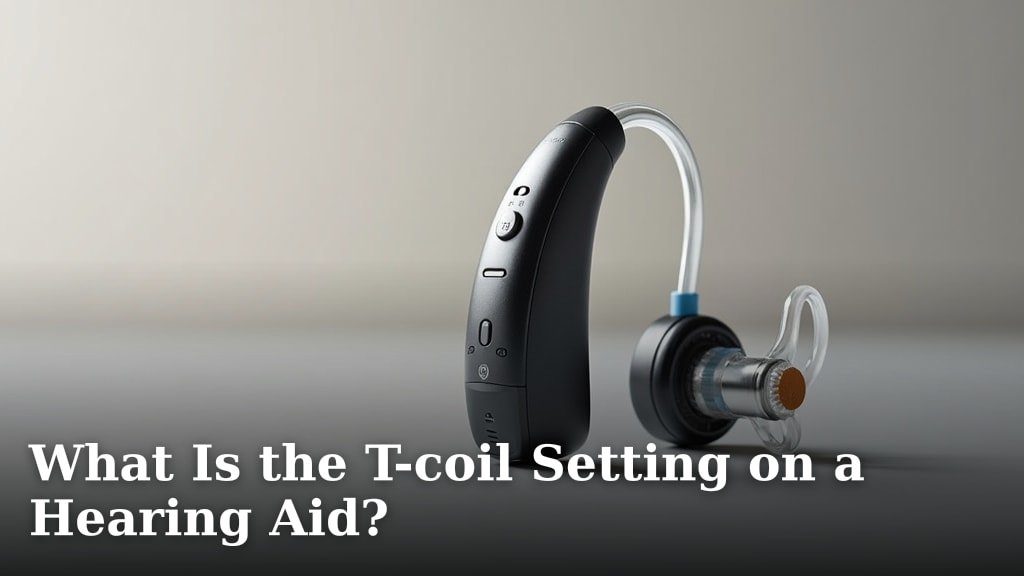
The “Hearing Aid Compatible” label means your phone passed specific tests for both acoustic coupling (M rating) and telecoil compatibility (T rating). Learn more about how hearing aid telecoils work in our guide.
What Makes a Phone HAC Certified
You’ve probably seen those HAC labels on phones and wondered what they actually mean. I found that the Federal Communications Commission sets strict rules for this certification.
A phone earns HAC status by meeting two main requirements. First, it must limit radio frequency interference that can cause buzzing or static in your hearing aids. Second, it needs to work well with telecoil technology.
Think of it like getting a driver’s license. Your phone has to pass specific tests before it can display that HAC badge.
The Two Types of HAC Ratings
Every HAC phone gets two separate scores. The M rating measures how well it works with hearing aid microphones. The T rating shows compatibility with telecoils.
You’ll see ratings like M3/T3 or M4/T4 on phone specifications. Higher numbers mean better compatibility.
M Ratings Explained
M stands for microphone coupling. When you hold the phone to your ear normally, this rating matters most.
M3 phones meet the minimum standard. M4 phones offer superior performance with less interference. I found that M4 phones typically provide clearer sound and fewer disruptions.
T Ratings Explained
T stands for telecoil coupling. This rating only applies if your hearing aid has telecoil capability.
Telecoils pick up magnetic signals directly from compatible phones. This bypasses background noise and delivers clearer audio straight to your hearing aid.
How HAC Technology Actually Works
Radio waves from cell phones can interfere with hearing aids. You might hear buzzing, clicking, or static sounds during calls.
HAC phones solve this by controlling their radio frequency emissions. They also boost certain audio frequencies that work better with hearing aids.
Reducing Radio Interference
Your phone constantly sends signals to cell towers. These radio waves can create electromagnetic interference with hearing aid circuits.
HAC phones use special shielding and antenna design to minimize this interference. It’s like soundproofing a room – the goal is keeping unwanted signals out.
Optimizing Audio Frequencies
Hearing aids amplify specific frequency ranges based on your hearing loss. HAC phones adjust their audio output to match these ranges better.
Regular phones might emphasize frequencies that your hearing aid doesn’t handle well. HAC phones fine-tune their sound profile for better compatibility.
Understanding FCC Requirements
The FCC requires wireless carriers to offer HAC phone options. At least half of all phone models must meet HAC standards.
I found that these rules apply to all major carriers in the United States. The requirements help ensure you have choices when shopping for compatible devices.
Testing Standards and Procedures
Phone manufacturers must test their devices with actual hearing aids. The testing process uses standardized hearing aid models to ensure consistent results.
Labs measure interference levels and audio quality across different scenarios. Phones must pass both laboratory tests and real-world usage evaluations.
Laboratory Testing Process
Engineers test phones in controlled environments using calibrated equipment. They measure radio frequency emissions and audio response patterns.
The testing includes various phone positions and usage scenarios. This ensures compatibility works whether you’re holding the phone normally or using speaker mode.
Real-World Validation
Beyond lab tests, manufacturers often conduct field testing with actual hearing aid users. This helps identify issues that might not show up in laboratory conditions.
Real-world testing catches problems like interference from specific hearing aid models or unusual usage patterns.
Choosing the Right HAC Rating
Your hearing aid type determines which HAC rating you need. Check with your audiologist about whether you use telecoil features.
If you don’t have telecoils, focus on M ratings. If you do use telecoils regularly, T ratings become more important.
When M4 Rating Matters Most
M4 phones work best if you primarily use your hearing aid’s microphone during calls. This covers most behind-the-ear and in-the-ear hearing aids.
You’ll notice clearer conversations and less background interference with M4-rated devices. The difference is often dramatic compared to non-HAC phones.
When T4 Rating Makes a Difference
T4 phones excel when you activate telecoil mode during calls. Telecoils can eliminate background noise almost entirely.
Many hearing aid users prefer telecoil mode in noisy environments. Restaurants, busy offices, and outdoor spaces become much more manageable.
Common HAC Phone Features
HAC phones often include additional accessibility features beyond the basic compatibility requirements. Volume boosting, visual alerts, and text-to-speech capabilities are common.
Some models offer extra-large buttons or high-contrast displays. These features help users with both hearing and vision challenges.
Enhanced Volume Controls
Most HAC phones provide expanded volume ranges compared to standard models. You can often adjust volume in smaller increments for precise control.
Some phones remember your preferred volume settings for different contacts or situations. This saves time adjusting settings for each call.
Visual and Vibration Alerts
Bright LED indicators and strong vibration motors help ensure you notice incoming calls. Many phones let you customize these alerts for different types of notifications.
Screen flashing and extended vibration patterns work well for users with severe hearing loss. You won’t miss important calls even in silent mode.
Popular HAC Phone Models
Most major smartphone manufacturers offer HAC-certified models. iPhone, Samsung Galaxy, and Google Pixel lines all include compatible options.
I found that flagship smartphones typically achieve M3/T4 or M4/T3 ratings. Some newer models reach M4/T4 certification for maximum compatibility.
| Brand | Typical HAC Rating | Special Features |
|---|---|---|
| iPhone | M3/T4 | Live Listen, Sound Recognition |
| Samsung Galaxy | M4/T3 | Adapt Sound, Sound Amplifier |
| Google Pixel | M4/T3 | Live Transcribe, Sound Amplifier |
Smartphone vs Basic Phone Options
Smartphones offer more accessibility apps and customization options. Basic phones sometimes provide simpler interfaces with fewer distracting features.
Your choice depends on comfort level with technology and specific communication needs. Both types can achieve excellent HAC ratings.
Getting the Most from HAC Phones
Proper positioning makes a huge difference in call quality. Hold the phone slightly away from your hearing aid microphone to reduce feedback.
Experiment with different angles and distances. What works best varies based on your hearing aid style and phone design.
Optimizing Phone Settings
Most phones include hearing accessibility settings in their main menu. Look for options like “Hearing Aid Compatibility” or “Audio Accessibility.”
Enable these features and adjust volume, tone, and frequency settings. Many phones let you save custom audio profiles for different situations.
Working with Your Audiologist
Your audiologist can help optimize both your hearing aids and phone settings. They might adjust hearing aid programs specifically for phone use.
Bring your HAC phone to hearing aid appointments. This lets your audiologist test compatibility and make real-time adjustments.
Troubleshooting Common Issues
Static or buzzing usually means interference between your phone and hearing aids. Try adjusting the phone position or switching to telecoil mode if available.
Feedback or whistling often happens when the phone gets too close to hearing aid microphones. Move the phone slightly away from your ear.
When HAC Phones Still Cause Problems
Sometimes even HAC phones don’t work perfectly with specific hearing aid models. Compatibility depends on both devices working well together.
Try different phone positions, adjust hearing aid settings, or contact your carrier about other HAC options. Don’t settle for poor call quality.
Alternative Solutions
Bluetooth streaming often works better than traditional phone calls for some hearing aid users. Many modern hearing aids connect directly to smartphones.
Speakerphone mode can also reduce interference issues. Place the phone away from your body and let your hearing aids pick up the amplified audio.
Future of HAC Technology
Bluetooth Low Energy and direct streaming capabilities are changing how hearing aids connect to phones. These technologies may eventually replace traditional HAC ratings.
5G networks and improved digital signal processing continue advancing compatibility between phones and hearing devices.
Emerging Standards and Technologies
The FDA recently approved over-the-counter hearing aids, which may lead to new compatibility requirements. Manufacturers are developing simplified pairing processes for these devices.
Machine learning algorithms can now automatically adjust phone audio based on your hearing profile and environmental conditions.
Conclusion
HAC phones provide real solutions for hearing aid users who struggle with phone conversations. The rating system helps you choose devices that work well with your specific hearing aids and communication needs. Focus on M ratings if you primarily use hearing aid microphones, and prioritize T ratings if you regularly use telecoil features. Remember that even HAC-certified phones may require some adjustment and optimization to work best with your particular hearing aids. Work with your audiologist to fine-tune settings and explore all available accessibility features. With the right HAC phone and proper setup, you can enjoy clear, comfortable phone conversations again.
What’s the difference between M3 and M4 HAC ratings?
M4 phones provide superior compatibility with hearing aid microphones compared to M3 phones. M4 devices typically offer clearer sound quality with less radio frequency interference. While M3 meets minimum standards, M4 represents the highest level of compatibility currently available. Choose M4 if you want the best possible experience with traditional hearing aid microphone use during phone calls.
Do I need a HAC phone if my hearing aids have Bluetooth?
Bluetooth streaming often provides better audio quality than HAC compatibility alone. But HAC phones still offer benefits as backup options when Bluetooth fails or battery life concerns arise. Many users prefer having both capabilities available. HAC phones also work with older hearing aids that lack Bluetooth connectivity, making them more universally compatible.
Can I use any HAC phone with my hearing aids?
HAC certification improves compatibility, but individual results vary based on your specific hearing aid model and type of hearing loss. Some HAC phones work better with certain hearing aid brands or styles. Test phones before purchasing when possible, or buy from retailers with good return policies. Your audiologist can help identify which HAC features matter most for your situation.
Are HAC phones more expensive than regular phones?
HAC phones typically cost the same as comparable non-HAC models from the same manufacturer. The certification requirements don’t significantly increase production costs for most modern smartphones. Many flagship phones include HAC compatibility as standard features rather than premium add-ons. Budget-friendly HAC options are also widely available across all major carriers.
How do I find out my phone’s HAC rating?
Check your phone’s settings menu under accessibility or hearing options to find HAC ratings. You can also look in the user manual, original packaging, or manufacturer’s website specifications. The FCC requires HAC ratings to be clearly displayed in marketing materials and store displays. If you can’t locate the rating, contact your carrier’s customer service for assistance.