How to Install an Induction Loop System in Your Home
On this page (12 sections)
Installing an induction loop system in your home typically takes 4-6 hours and involves running a wire loop around your listening area, connecting it to an amplifier, and plugging into your audio source.
You can install most residential induction loop systems yourself with basic tools, though some complex setups may need professional help.
What Is an Induction Loop System?
Think of an induction loop as a wireless bridge between your TV and your hearing aids. The system sends clear audio directly to your hearing aids without background noise or distance issues.
The setup includes three main parts: a wire loop, an amplifier, and your audio source. When sound plays through the system, it creates a magnetic field that your hearing aids can pick up.
How Does It Work?
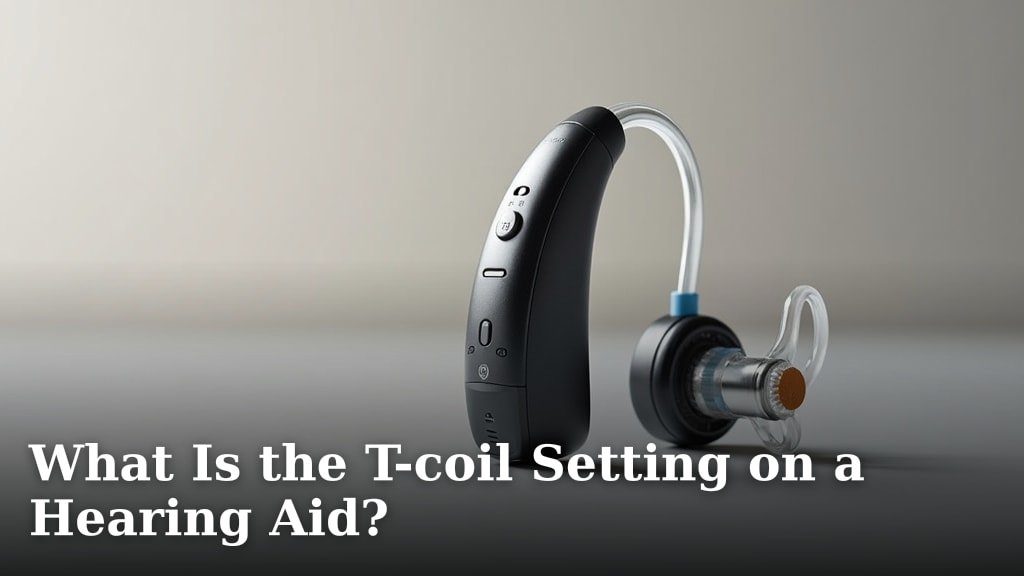
Your hearing aid switches to “T-coil” mode to receive the signal. It’s like tuning into a radio station that only broadcasts in your living room.
The sound quality often surprises people. You hear dialogue clearly without turning up the volume for everyone else.
Planning Your Installation
Choose Your Installation Area
Pick where you want the best hearing assistance. Most people choose their main seating area or bedroom.
Measure the space you want to cover. A typical living room setup covers about 10 by 12 feet.
Check Your Hearing Aids
Make sure your hearing aids have a T-coil feature. Most modern hearing aids include this, but older models might not.
If you’re unsure, ask your audiologist. They can tell you in seconds if your hearing aids work with loop systems.
T-Coil Settings
Some hearing aids need the T-coil activated by a professional. Others let you switch modes with a button or app.
What You’ll Need
Essential Equipment
- Induction loop wire (usually comes in a kit)
- Loop amplifier
- Audio cables
- Wire staples or adhesive strips
- Basic hand tools
Choosing the Right System
Home loop systems come in different sizes. Room kits work for areas up to 150 square feet. Larger spaces need more powerful amplifiers.
I found that most residential systems cost between $200 and $800. Professional-grade systems cost more but offer better range and clarity.
Portable vs. Permanent Options
Portable loops work great for single chairs or small areas. Permanent installations cover whole rooms and look cleaner.
Step-by-Step Installation Guide
Step 1: Plan Your Wire Route
You’ll run wire around the edge of your listening area. The wire forms a complete loop – like drawing a rectangle on the floor.
Keep the loop at least 3 feet from large metal objects. Metal can interfere with the magnetic field.
Step 2: Install the Wire Loop
Start at one corner and work your way around the room. You can run wire under carpet edges, along baseboards, or even under the floor.
Use staples or adhesive strips every few feet to secure the wire. Don’t worry about it being perfectly straight.
Wire Placement Tips
Keep wire flat against surfaces. Bunched or coiled wire can create dead spots in your listening area.
If you have multiple floors, stick to one level. The magnetic field doesn’t travel well through thick floors or ceilings.
Step 3: Connect to the Amplifier
Bring both ends of your wire loop back to where you’ll place the amplifier. Most people put amplifiers near their TV or stereo.
Connect the wire ends to the amplifier’s output terminals. The connections usually twist on like wire nuts.
Step 4: Connect Your Audio Source
Plug your TV, radio, or other audio device into the amplifier’s input. Most systems use standard audio cables.
Some amplifiers have multiple inputs. This lets you connect your TV and music system at the same time.
Wireless Audio Options
Bluetooth-enabled amplifiers let you stream audio from phones and tablets. This adds flexibility to your setup.
Testing Your System
Initial Sound Check
Turn on your audio source and switch your hearing aids to T-coil mode. You should hear clear sound immediately.
Walk around your listening area. The sound should stay consistent throughout the loop.
Fine-Tuning the Setup
Adjust the amplifier volume to match your comfort level. Start low and increase gradually.
If you hear buzzing or interference, check that the wire loop is secure and away from electrical devices.
Common Sound Issues
Weak signal often means loose connections. Double-check all wire attachments at the amplifier.
Dead spots in the listening area usually indicate wire placement problems. Make sure your loop forms a complete circuit.
Troubleshooting Common Problems
No Sound at All
Check that your hearing aids are in T-coil mode. This trips up many first-time users.
Make sure the amplifier is powered on and connected to your audio source.
Intermittent Sound
Loose connections cause most intermittent problems. Wiggle each connection while listening for changes.
Some wireless devices can interfere with loop systems. Try moving phones and tablets away from the amplifier.
Interference from Other Electronics
Fluorescent lights and computer monitors can create buzzing sounds. Moving the amplifier a few feet often solves this.
Professional Installation vs. DIY
When to Call a Professional
Complex homes with multiple rooms benefit from professional installation. Experts can design systems that cover several areas efficiently.
If your home has steel construction or unusual layout, professionals have tools to test signal strength and optimize placement.
DIY Installation Benefits
Most single-room installations work well as DIY projects. You save money and can adjust the system anytime.
Basic room loops don’t require special skills. If you can hang pictures or run extension cords, you can install a loop system.
| Installation Type | Cost Range | Time Required | Skill Level |
|---|---|---|---|
| Single room DIY | $200-$500 | 3-6 hours | Beginner |
| Multi-room DIY | $400-$800 | 6-10 hours | Intermediate |
| Professional install | $600-$2000 | 2-4 hours | None required |
Maintaining Your Loop System
Regular Maintenance Tasks
Check connections every few months. Loose wires can develop over time, especially in high-traffic areas.
Keep the amplifier dust-free and well-ventilated. Most units run cool but need airflow around vents.
When to Replace Components
Loop wire rarely needs replacement unless physically damaged. Amplifiers typically last 5-10 years with normal use.
If sound quality gradually decreases, the amplifier might need service or replacement.
Protecting Your Investment
Surge protectors help prevent damage from power fluctuations. Many people forget that audio equipment needs this protection too.
Cost Considerations
Budget-Friendly Options
Basic loop kits start around $200. These work well for small rooms and single-person listening areas.
I found that spending slightly more on the amplifier often improves sound quality significantly.
Premium System Features
Higher-end systems offer automatic volume adjustment and multiple input switching. These features add convenience but aren’t necessary for basic function.
Professional-grade amplifiers provide better range and can power larger loops without signal loss.
Safety Considerations
Electrical Safety
Always turn off power before making electrical connections. Most loop systems use low voltage, but safety habits matter.
Keep amplifiers away from water and humid areas. Bathrooms and kitchens aren’t ideal locations.
Installation Safety
Watch for trip hazards when running wire across floors. Secure all cables properly.
If you need to drill holes or work in walls, check for existing wiring first. When in doubt, call an electrician.
Legal and Building Code Notes
Residential Installation Rules
Most home loop installations don’t require permits. The systems use low voltage and don’t modify structural elements.
If you rent your home, check with your landlord before installing permanent systems.
Apartment and Condo Considerations
Portable loop systems work better in rental properties. You can take them with you when you move.
Conclusion
Installing an induction loop system transforms how you experience audio in your home. The clear, direct sound to your hearing aids eliminates the frustration of missed conversations and unclear TV dialogue.
Most people find the installation straightforward and the results immediately noticeable. You don’t need special skills or expensive tools – just patience and attention to basic safety practices.
Start with a simple single-room system to get comfortable with the technology. You can always expand to other areas later as your needs change.
Can I install an induction loop system if I live in an apartment?
Yes, you can use portable loop systems that don’t require permanent installation. These systems work well for single chairs or small areas and won’t damage walls or floors.
Do all hearing aids work with induction loop systems?
Most modern hearing aids include T-coil capability, but older models might not. Check with your audiologist to confirm compatibility before purchasing a loop system.
How long does a typical home induction loop system last?
Quality loop systems typically last 5-10 years with normal use. The wire loop itself rarely fails, while amplifiers may need replacement after several years of regular operation.
Can multiple people with hearing aids use the same loop system simultaneously?
Yes, induction loops can serve unlimited users at the same time. Everyone within the loop area with compatible hearing aids can receive the signal without affecting others’ experience.
Will my loop system interfere with my neighbor’s electronics or hearing aids?
Properly installed residential loop systems create magnetic fields that stay within your designated area. The signal typically doesn’t extend beyond your property boundaries or interfere with nearby electronics.