Frustrated by Background Noise? How to Tune It Out
On this page (8 sections)
Background noise becomes less noticeable when you use white noise machines, noise-canceling headphones, or sound masking techniques to redirect your brain’s attention.
You can tune out background noise by creating physical barriers, adjusting your environment, or training your mind to focus on specific sounds instead.
Why Your Brain Struggles With Background Noise
Your brain acts like a security guard, constantly scanning for important sounds. When background noise floods in, it gets overwhelmed trying to sort what matters from what doesn’t.
This happens because your auditory system lacks a natural off switch. Unlike your eyes, which you can close, your ears stay open 24/7. Research shows that even during sleep, your brain processes ambient sounds (Sleep Foundation).
The Cocktail Party Problem
Scientists call it the “cocktail party effect” – your struggle to focus on one conversation while others chatter nearby. Your brain works overtime trying to separate competing audio streams.
Think of it like trying to read a book while someone shuffles papers next to you. The rustling doesn’t seem loud, but it fractures your concentration.
Age-Related Hearing Changes
As you get older, filtering background noise becomes harder. Your inner ear loses some ability to distinguish between different sound frequencies.
Studies suggest that after age 50, many people need sounds to be 3-5 decibels louder to hear them clearly over background noise (National Institute on Deafness).
Quick Fixes You Can Try Right Now
Move Your Position
Sometimes the solution is as simple as changing where you sit or stand. Move away from air vents, busy hallways, or kitchen appliances.
In restaurants, ask for a corner table away from the kitchen. At home, face away from the TV when talking on the phone.
Use Your Hand as a Sound Shield
Cup your hand behind your ear to boost the sounds you want to hear. This old trick actually works by collecting more sound waves and directing them into your ear canal.
Close Unnecessary Sound Sources
Turn off the radio when cooking dinner. Pause the podcast when someone wants to talk. You might be surprised how much these small changes help.
Technology Solutions That Actually Work
Noise-Canceling Headphones
These devices use tiny microphones to detect outside sounds, then create opposite sound waves to cancel them out. Think of it like noise karate – blocking unwanted audio with precision strikes.
Active noise cancellation works best on steady, low-frequency sounds like airplane engines or air conditioners. It struggles more with sudden, high-pitched noises.
Over-Ear vs In-Ear Options
Over-ear headphones typically block more noise because they create a physical seal around your entire ear. In-ear models work well for travel but may feel uncomfortable during long wear.
White Noise Machines
White noise doesn’t actually eliminate other sounds. Instead, it masks them by providing a consistent audio backdrop that your brain learns to ignore.
Pink noise and brown noise offer alternatives with different frequency patterns. Pink noise sounds like gentle rain, while brown noise resembles ocean waves.
Apps vs Dedicated Devices
Smartphone apps cost less and offer more variety. Dedicated machines often produce higher-quality sound and won’t drain your phone battery overnight.
Hearing Assistance Devices
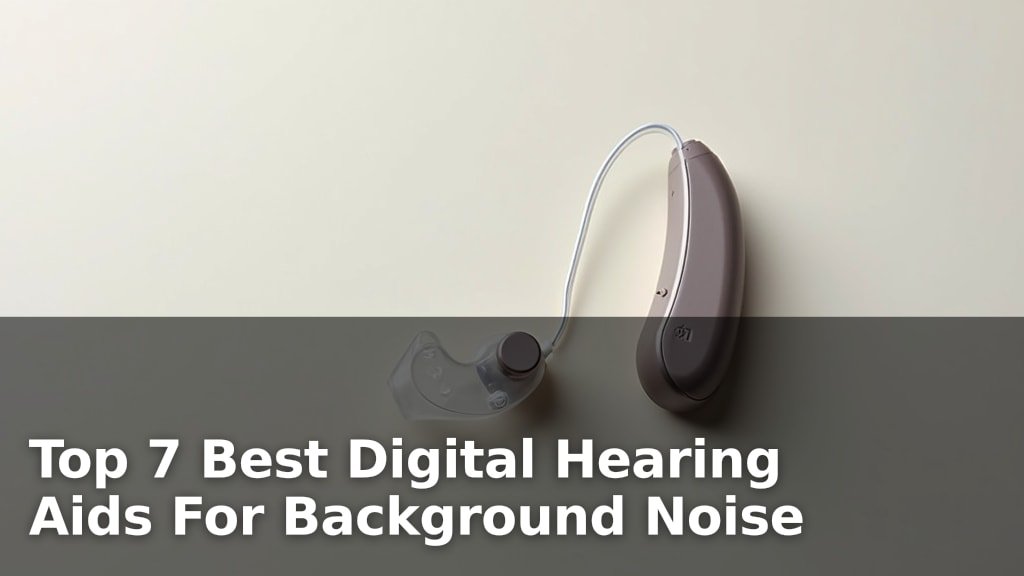
Modern hearing aids include directional microphones that focus on sounds coming from specific directions while reducing noise from other areas. Learn more about reducing background noise with hearing aids.
Personal sound amplifiers, available without prescription, can help some people hear conversations better in noisy environments. They cost less than hearing aids but offer fewer features.
Environmental Modifications for Your Space
Add Soft Surfaces
Hard surfaces like tile floors and bare walls bounce sound around, creating echo and amplifying background noise. Soft materials absorb these sound waves instead.
Try adding area rugs, curtains, or upholstered furniture. Even hanging a tapestry on the wall can make a difference.
Strategic Furniture Placement
Bookcases work as natural sound barriers. Position them between noisy areas and quiet spaces where you need to concentrate.
Seal Air Gaps
Sound travels through the same openings that let air pass. Check for gaps under doors, around windows, or near electrical outlets.
Weather stripping costs little but can significantly reduce noise from adjacent rooms or outside traffic.
Create Dedicated Quiet Zones
Designate specific areas for activities that require focus. Set up your reading chair away from high-traffic areas. Place your desk facing away from busy streets.
Mental Strategies and Training Techniques
Mindful Listening Practice
Train your brain to focus on specific sounds while letting others fade into the background. Start by spending five minutes listening only to your breathing or heartbeat.
Practice this selective attention during daily activities. When washing dishes, focus only on the water sounds while ignoring background TV chatter.
The Sound Categorization Method
Mentally label background noises as “unimportant” when they occur. This conscious dismissal helps your brain learn to filter them out automatically over time.
Tell yourself, “That’s just the refrigerator humming” or “Those are neighbor footsteps – not important.” This mental filing system reduces the startle response to familiar sounds.
Progressive Noise Exposure
Gradually expose yourself to slightly noisier environments while practicing focus techniques. Start in quiet spaces, then slowly work up to busier settings.
Workplace and Public Space Strategies
Office Solutions
Request seating away from copy machines, break rooms, or main walkways. Many employers will accommodate reasonable requests for quieter workspace locations.
Desktop privacy screens can block some sound while also reducing visual distractions that compete for your attention.
Communication Tactics
Ask people to face you when speaking. Lip reading provides extra information that helps your brain process speech over background noise.
Restaurant and Social Settings
Choose restaurants with carpet, tablecloths, and upholstered seating. These absorb sound better than places with hard surfaces and high ceilings.
Sit with your back to the noisiest part of the room. This positioning lets your ears focus forward on your conversation partners.
When to Seek Professional Help
Signs You Need a Hearing Test
If you frequently ask people to repeat themselves or turn up the TV volume, schedule a hearing evaluation. These could indicate hearing loss that makes background noise filtering more difficult.
Audiologists can test your ability to understand speech in noise, not just your overall hearing levels.
Medical Conditions to Consider
Tinnitus (ringing in the ears) can make background noise more bothersome. Certain medications, earwax buildup, or inner ear problems might contribute to noise sensitivity.
Your doctor can check for treatable causes and recommend appropriate interventions.
Conclusion
Background noise doesn’t have to control your daily life. Start with simple position changes and environmental adjustments before investing in technology solutions. Remember that your brain can learn to filter distracting sounds with practice and patience.
The key is finding the right combination of strategies that work for your specific situation. Whether that’s noise-canceling headphones for your commute or better seating choices in restaurants, small changes can make a big difference in your comfort and concentration.
Can white noise machines help me sleep better in a noisy neighborhood?
Yes, white noise machines can mask inconsistent outside sounds like traffic or barking dogs that might wake you up. The steady background sound helps your brain ignore sudden noise changes during sleep.
Do noise-canceling headphones work for blocking out conversations?
Noise-canceling headphones work better for steady sounds than human voices. They may reduce conversation volume but won’t eliminate speech completely, especially higher-pitched voices or nearby conversations.
Is it normal to become more sensitive to background noise as I age?
Yes, age-related changes in your inner ear make it harder to separate speech from background noise. This happens gradually and affects most people to some degree after age 50.
Can certain foods or drinks make me more sensitive to noise?
Caffeine can increase your overall sensitivity to sounds, including background noise. Some people also find that alcohol affects their ability to filter competing sounds, especially in crowded places.
How long does it take to train my brain to ignore background noise?
Most people notice some improvement within 2-3 weeks of consistent practice with mindful listening techniques. Full adaptation to new noise environments typically takes 4-6 weeks of regular exposure.