Can You Adjust Hearing Aids Yourself?
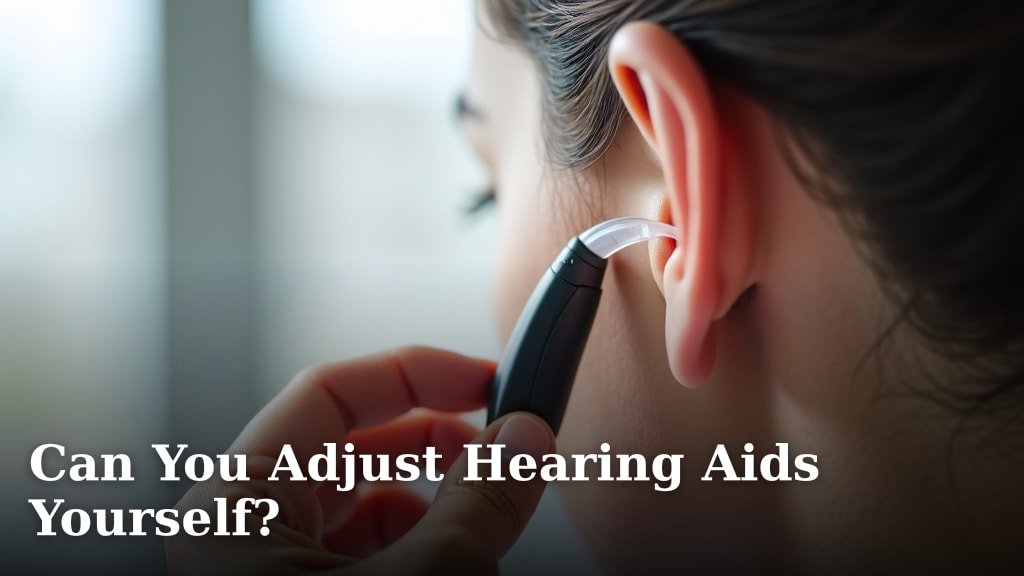
Yes, you can adjust hearing aids yourself for basic functions. Many modern hearing aids offer user-friendly controls through apps or buttons. However, fine-tuning and addressing complex issues often require a professional.
You might wonder, how much can I really do on my own? While you can manage volume and switch programs, deeper adjustments are usually best left to your audiologist. We found that simple adjustments are accessible, but professional calibration is key for optimal performance.
- Basic adjustments like volume are often user-controlled.
- Many hearing aids link to smartphone apps for easy changes.
- Complex sound settings usually need a hearing professional.
- Self-adjustments can help between professional visits.
- Knowing your limits protects your hearing aid’s effectiveness.
Let’s walk through exactly what you can adjust yourself and when it’s time to call in the experts. We’ll explore the tools available and help you understand your hearing aid’s capabilities.
Understanding Your Hearing Aid Adjustment Options
You might be wondering, what exactly can you change on your hearing aids without professional help? It turns out, quite a lot of the day-to-day functions are within your control. This is great news for making quick adjustments as your environment changes.
Basic Adjustments You Can Make
Most modern hearing aids are designed with you in mind. They offer user-friendly options for common adjustments. Think of it like adjusting the volume on your radio; it’s straightforward and immediate.
Volume Control: Your Go-To Adjustment
The simplest and most common adjustment is volume control. Nearly all hearing aids, whether old or new, let you turn the sound up or down. You can often do this with small buttons directly on the device. Some models have a rocker switch, while others might have separate plus and minus buttons. We found this is often the first thing people learn to manage.
Why is volume control so important? It helps you adapt to different listening situations. Walking into a noisy restaurant? You might want to lower the volume. Watching TV quietly at home? A slight boost could be perfect. It’s all about finding what feels comfortable and clear for your ears.
Program Changes: Adapting to Your Environment
Many hearing aids come with pre-set “programs.” These are like different listening modes for various situations. For instance, you might have a program for quiet conversations, one for noisy environments, or even one for listening to music.
Switching between these programs is usually easy. You might press a button on your hearing aid. Alternatively, many modern devices allow you to change programs using a smartphone app. We’ve seen that these apps make it incredibly convenient to choose the right setting with just a tap (National Institute on Deafness and Other Communication Disorders).
Think of it like different camera settings on your phone. You use “portrait” for people and “landscape” for scenery. Your hearing aid programs work similarly, optimizing sound for specific surroundings. This lets you personalize your listening experience throughout the day.
Leveraging Smartphone Apps for Control
If you have newer hearing aids, chances are there’s an accompanying smartphone app. These apps have truly transformed how you can interact with your devices. They often provide a more intuitive and detailed level of control than physical buttons.
Personalizing Your Sound Settings
Beyond volume and programs, some apps offer more granular control. You might find sliders or equalizers to adjust specific frequencies, like bass or treble. This means you can fine-tune the sound to your preference. For example, if speech sounds a bit muffled, you might slightly boost higher frequencies.
We found that these apps often have a “remote control” feel. You can discreetly make adjustments without touching your ears. This can be especially helpful in social situations. You’re in charge of your sound world, right from your phone.
Tracking Battery Life and Usage
Many apps also provide useful information about your hearing aids. You can often see the battery life remaining, which helps you plan for charging or battery replacement. Some apps even track your daily usage, showing you how many hours you wear your hearing aids. This data can be helpful for both you and your audiologist during follow-up appointments.
When Professional Adjustment is Essential
While self-adjustments are great for daily comfort, there are times when an expert’s touch is necessary. Think of it like tuning a musical instrument; you can strum a guitar yourself, but a professional luthier makes it sing perfectly.
Complex Sound Adjustments and Fine-Tuning
Your audiologist uses specialized software to make precise adjustments. This software is incredibly detailed, allowing them to modify the sound output across many different frequency bands. They can tailor these settings to your unique hearing loss profile, as measured by your audiogram. This level of calibration ensures your hearing aids are delivering optimal sound for your specific needs.
If sounds feel distorted, too loud, or not clear enough, despite your basic adjustments, it’s time to call your audiologist. They can identify subtle issues you might not even realize are there. Many experts say that initial professional fitting and regular adjustments are critical for long-term satisfaction (American Speech-Language-Hearing Association).
Addressing Feedback and Whistling
Are your hearing aids whistling or producing feedback? While sometimes it’s just a loose ear mold, persistent feedback often requires professional intervention. Your audiologist can adjust settings to minimize feedback. They can also check the fit of your ear molds or domes, as a proper seal is key to preventing those annoying squeals.
Don’t try to fix consistent feedback issues yourself by just turning down the volume. This can limit the benefits you get from your hearing aids. Let your audiologist diagnose and correct the underlying problem.
Understanding Your Hearing Aid’s Limitations
It’s important to know what your hearing aids can and cannot do on their own. While technology has come a long way, hearing aids are sophisticated medical devices with specific functions.
- Hearing aids don’t restore normal hearing: They improve sound perception, but they won’t make your hearing perfect.
- They can’t fix all types of hearing loss: Some conditions may require different interventions.
- Self-adjustments have limits: You can’t change core programming or address hardware issues.
- They require maintenance: Cleaning and care are essential for proper function.
- Don’t expect miracles instantly: Adapting to hearing aids takes time and patience.
When to Consult Your Audiologist
Knowing when to seek professional help is a big part of successfully managing your hearing aids. Think of your audiologist as your partner in hearing health. They are there to guide you and ensure you get the most out of your devices.
Here’s a quick checklist for when it’s best to schedule an appointment:
- You experience sudden changes in your hearing.
- Your hearing aids are causing pain or discomfort.
- You consistently hear whistling or static that you can’t fix.
- Sounds feel distorted or unclear, even after your own adjustments.
- You’re struggling in specific environments, despite changing programs.
- You have questions about new features or accessories for your devices.
Regular check-ups are also crucial. Your hearing can change over time, and your audiologist can re-evaluate your needs. We found that patients who maintain a consistent relationship with their hearing professional generally report higher satisfaction with their hearing aids.
The Role of Telehealth in Hearing Aid Adjustments
Modern technology has also brought new ways to get professional help. Many audiologists now offer telehealth services. This means some fine-tuning adjustments can even be done remotely!
How does it work? With compatible hearing aids and an internet connection, your audiologist might be able to connect to your devices through your smartphone app. They can then make adjustments and upload them directly to your hearing aids. This is a game-changer for convenience, especially if you live far from your audiologist’s office or have mobility challenges. We’ve seen this becoming an increasingly popular and effective option for follow-up care.
While not every adjustment can be done this way, it’s a fantastic option for many minor tweaks. Always ask your audiologist if this service is available for your specific hearing aids.
A Table of Self-Adjustment vs. Professional Adjustment
To summarize, here’s a quick look at what you can typically handle yourself versus what’s best left to your audiologist.
| Adjustment Type | You Can Do It (Self-Adjustment) | Professional Needed (Audiologist) |
|---|---|---|
| Volume Control | ✅ Easily adjusted via buttons or app. | |
| Program Switching | ✅ Select pre-set programs for different environments. | |
| Basic Sound Tone (Bass/Treble) | ✅ Often available through smartphone apps. | |
| Battery Checks | ✅ View battery status in apps, replace batteries. | |
| Fit Adjustments | ✅ Ear mold/dome fitting, physical comfort issues. | |
| Feedback/Whistling | ✅ Complex settings to eliminate persistent feedback. | |
| Frequency-Specific Tuning | ✅ Precise adjustments based on audiogram data. | |
| Tinnitus Masking Levels | ✅ Advanced settings for tinnitus management. | |
| Hardware Repair/Diagnosis | ✅ Any physical damage or malfunction. | |
| Software Updates | ✅ Sometimes requires specialist equipment. |
Conclusion
You have significant control over your hearing aids’ daily functions. Adjusting volume and switching programs empowers you to optimize your listening experience in various settings. While apps expand your self-adjustment capabilities, remember that professional fine-tuning is crucial for optimal sound quality and addressing complex issues. Don’t hesitate to contact your audiologist when faced with persistent problems or for advanced calibration. By understanding your role and when to seek expert help, you’ll ensure your hearing aids continue to provide you with the best possible hearing.
Frequently Asked Questions
Can I adjust my hearing aid’s bass and treble levels?
Yes, many modern hearing aids, especially those connected to smartphone apps, allow you to make basic adjustments to bass and treble. These controls help you personalize the sound to your preference, making speech clearer or music richer.
How often should an audiologist adjust my hearing aids?
Typically, your audiologist will recommend initial follow-up adjustments after your first fitting. After that, annual check-ups are common, but you should schedule an appointment anytime you feel your hearing aids aren’t performing optimally or if your hearing changes.
Will self-adjusting my hearing aids damage them?
Making basic adjustments like volume or program changes will not damage your hearing aids. However, attempting complex adjustments without proper knowledge or tools could lead to an unsatisfactory listening experience, rather than device damage.
Can I adjust my hearing aids for tinnitus relief myself?
While some hearing aids have built-in tinnitus maskers, the specific levels and sound profiles for tinnitus relief are best set and adjusted by your audiologist. They can fine-tune these settings to your unique needs for maximum effectiveness.
What if my hearing aid app isn’t working for adjustments?
If your hearing aid app isn’t functioning correctly, first try restarting your phone and ensuring the app is updated. If issues persist, contact your audiologist or the hearing aid manufacturer’s support. There might be a software glitch or a connectivity problem.