Can You Use Hearing Aids for Tinnitus?
On this page (3 sections)
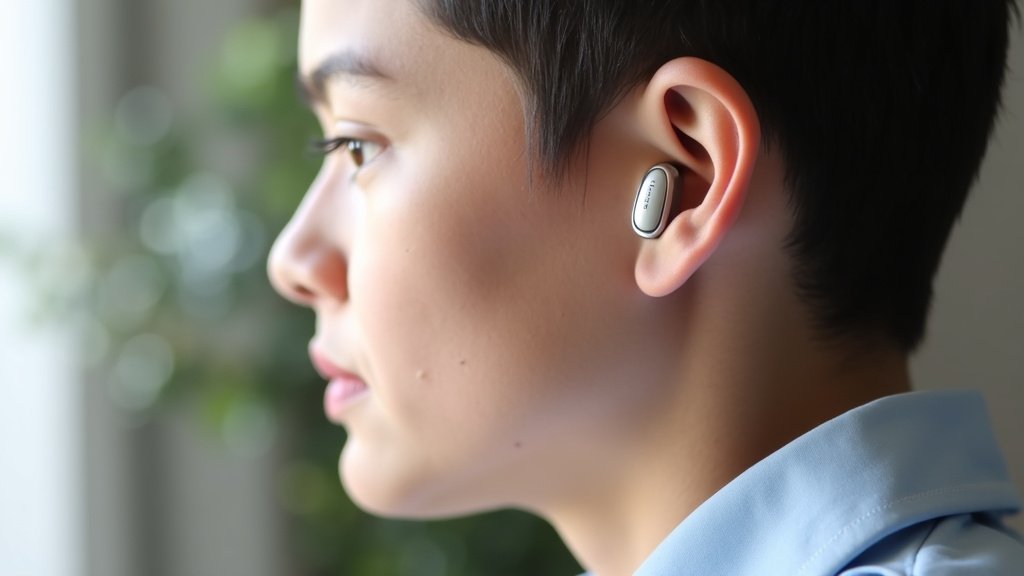
Yes, hearing aids can often help with tinnitus. They don’t cure it, but they can significantly reduce the perception of the ringing or buzzing sound you hear. This happens by amplifying external sounds.
Many people experience tinnitus, often alongside some degree of hearing loss. When you can hear outside sounds more clearly, your brain focuses less on the internal tinnitus noise. This masking effect can provide real relief and make the tinnitus less bothersome.
- Hearing aids can often help with tinnitus.
- They don’t cure tinnitus but can reduce its perception.
- Amplifying external sounds makes tinnitus less noticeable.
- This masking effect brings relief.
Let’s dive deeper into how hearing aids work for tinnitus and what you can expect from this approach.
How Hearing Aids Assist with Tinnitus
You might be wondering how a device designed to help you hear better can also help with that annoying ringing in your ears. It’s a great question! Essentially, hearing aids work their magic by making your brain focus on external sounds instead of your internal tinnitus noise (American Tinnitus Association).
The Masking Effect: Turning Down the Volume on Tinnitus
Imagine trying to hear a tiny whisper in a quiet room versus
Conclusion
You’ve learned that while hearing aids don’t cure tinnitus, they offer a powerful way to manage it. By enhancing external sounds, they help your brain focus less on the internal ringing. This masking effect can bring you significant relief and improve your daily quality of life. Don’t let tinnitus control your peace and quiet.
If you’re struggling with persistent tinnitus, especially alongside hearing changes, it’s wise to speak with an audiologist. They can assess your specific situation and guide you toward the best solution for your needs.
Frequently Asked Questions
Do hearing aids work for all types of tinnitus?
Hearing aids are most effective for subjective tinnitus, which is tinnitus only you can hear. They primarily help when there’s also some degree of hearing loss. For objective tinnitus, which is rare and can be heard by others, other medical interventions are usually necessary.
Will my insurance cover hearing aids for tinnitus?
Insurance coverage for hearing aids varies widely by policy and state. Some plans may cover a portion of the cost, especially if a hearing loss diagnosis is present. It’s best to contact your insurance provider directly to understand your specific benefits.
How long does it take for hearing aids to help with tinnitus?
Many people notice some improvement in their tinnitus perception shortly after starting to use hearing aids. Full adjustment and maximum benefit can take several weeks as your brain adapts to the new sounds and tinnitus masking. Patience and consistent use are key.
Can hearing aids make my tinnitus worse?
In rare cases, poorly fitted or improperly programmed hearing aids could potentially exacerbate tinnitus for some individuals. This is why it’s crucial to work with an experienced audiologist who can customize and fine-tune your devices to your specific hearing and tinnitus profile.
Are there special hearing aids specifically for tinnitus?
Some hearing aids for tinnitus come with built-in maskers or sound therapy features that play soothing sounds in addition to amplifying external noise. These can offer extra relief beyond just the masking effect of sound amplification. Your audiologist can discuss these options with you.