Can Hearing Aids Cause Ear Infections?
On this page (8 sections)
Yes, hearing aids can sometimes cause ear infections, but it’s usually preventable. The main culprit is often improper cleaning or how the hearing aid fits. When moisture and earwax get trapped, they create a breeding ground for bacteria. Fortunately, with good habits, you can keep your ears healthy and your hearing aids working well.
It’s true that inserting anything into your ear canal can change the environment. Our guide to allergy-related hearing changes explains another possible source of temporary ear symptoms. Hearing aids, by their nature, create a barrier. This can affect airflow and trap warmth, making your ear a bit more susceptible to irritation. But don’t let this worry you; understanding the risks helps you avoid them and enjoy the benefits of better hearing without discomfort.
- Hearing aids can lead to ear infections if not cleaned properly.
- Moisture and earwax buildup are common causes.
- Proper fit and regular cleaning are key to prevention.
- Don’t ignore symptoms like pain or discharge.
- Consult your audiologist if you suspect an infection.
Let’s dive into how your hearing aids might be affecting your ears and what you can do about it to keep those ears happy and infection-free.
Could Your Hearing Aids Be Linked to Ear Infections?
It’s a question many hearing aid users ponder: can these amazing devices actually lead to uncomfortable ear infections? We understand why you might worry about this. Inserting anything into your ear canal can indeed change the environment, and hearing aids are no exception. They can affect airflow and trap warmth, making your ear a bit more susceptible to irritation. But don’t let this concern you; understanding the risks is the first step to preventing them and enjoying your improved hearing without any discomfort. We found that in most cases, infections aren’t a direct fault of the hearing aid itself, but rather how it’s managed and cared for.
Understanding How Ear Infections Happen
Ear infections, particularly those in the outer ear canal (otitis externa), are often caused by bacteria or fungi. These microorganisms love warm, moist environments. When they find a good place to grow, they can cause inflammation, pain, and sometimes discharge. Think of your ear canal like a tiny, delicate ecosystem. Anything that disrupts its natural balance can create opportunities for unwanted guests to move in.
The Role of Moisture and Earwax
Your ears naturally produce earwax, which is protective and cleansing. However, in some individuals, earwax can build up excessively. Learn whether earwax causes damage. When hearing aids are worn, they can push this wax deeper into the canal or create a seal that traps moisture. This trapped moisture, whether from sweat or humidity, combined with earwax, can become a breeding ground for bacteria and fungi. Many audiologists point out that excessive earwax is a common factor in hearing aid-related ear issues.
How Hearing Aids Can Contribute (Indirectly)
Hearing aids, especially custom-molded ones that sit deep in the canal, can reduce airflow. This lack of ventilation can increase humidity within the ear. Additionally, if a hearing aid isn’t cleaned regularly, tiny particles of debris, skin cells, and earwax can accumulate on its surface. When these dirty aids are inserted, they can introduce bacteria or irritants into the ear canal. We’ve found that improper fit can also lead to rubbing or pressure, causing irritation that makes the ear more prone to infection.
Factors That Increase Your Risk
While hearing aids themselves aren’t inherently “germ carriers,” certain conditions and habits can make you more likely to experience an ear infection. It’s less about the device and more about the circumstances surrounding its use and maintenance.
Improper Cleaning and Hygiene
This is arguably the biggest contributor to hearing aid-related ear issues. If you’re not cleaning your hearing aids regularly and correctly, you’re essentially placing a potential source of infection directly into your ear. Think of it like wearing the same socks for a week – it’s just not a recipe for comfort or health! We found that forgetting to clean even the smallest parts can make a difference.
What “Improper Cleaning” Looks Like
This can include a few things. You might be using the wrong cleaning solutions that can damage the hearing aid or irritate your skin. Perhaps you’re not drying the hearing aid completely after cleaning, leaving moisture behind. Or, you might be skipping certain parts of the cleaning process altogether, like not cleaning the ear mold or tubing. Many experts recommend specific cleaning tools and solutions for hearing aids. You might be skipping certain parts of the cleaning process altogether, like not cleaning the ear mold or tubing.
Poor Hearing Aid Fit
When your hearing aids don’t fit quite right, they can cause problems. An ill-fitting hearing aid might rub against the delicate skin of your ear canal, leading to irritation and small abrasions. These tiny breaks in the skin are like open doors for bacteria. A tight seal that prevents air from circulating can also trap moisture, as we’ve discussed. If you feel constant pressure or soreness, it’s a sign the fit might need adjustment.
Excessive Earwax Production
Some people naturally produce more earwax than others. If you find your ears are often impacted or that your hearing aids seem to “plug up” with wax quickly, you’re at a higher risk. The hearing aid can exacerbate the issue by pushing wax deeper or blocking the natural exit route. We found that individuals with very narrow or winding ear canals might be more prone to wax buildup problems.
Exposure to Water and Humidity
While you should always remove your hearing aids before swimming or showering, high humidity environments can still play a role. Sweat can accumulate, especially during exercise. This moisture can then get trapped by the hearing aid. If you live in a very humid climate or sweat a lot, you’ll need to be extra diligent about drying your ears and cleaning your aids.
Signs and Symptoms of an Ear Infection
It’s important to know what to look for. If you experience any of these, don’t just assume it’s a minor irritation. Prompt attention can prevent it from becoming a full-blown infection. If one ear seems worse than the other, read about uneven hearing between ears and when to seek care. Many sources, like the CDC, recommend seeking medical advice if symptoms are severe.
- Ear Pain: This can range from a dull ache to sharp, stabbing pain. It might be constant or intermittent.
- Itching: An persistent itch inside your ear canal can be an early sign.
- Redness or Swelling: You might notice visible redness or swelling in or around your ear canal.
- Discharge: A clear, cloudy, or even bloody fluid draining from the ear is a strong indicator of infection.
- Feeling of Fullness: Your ear might feel blocked or full, similar to having excess earwax.
- Temporary Hearing Loss: Swelling or discharge can sometimes temporarily affect your hearing.
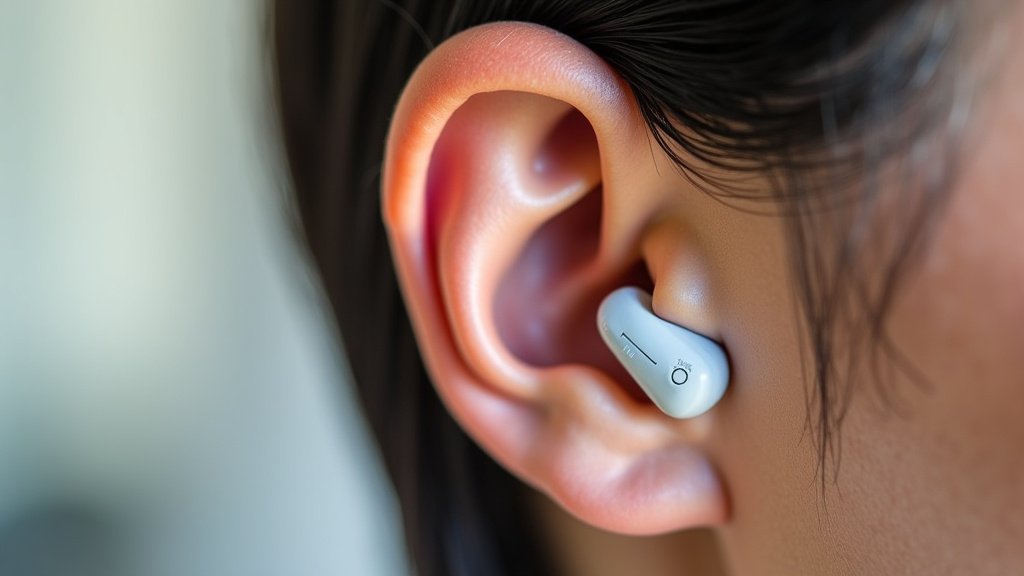
Preventing Ear Infections with Your Hearing Aids
The good news is that ear infections related to hearing aids are largely preventable. By adopting a few simple habits, you can significantly reduce your risk and keep your ears healthy and comfortable. We found that consistency is key when it comes to these preventive measures.
Mastering Hearing Aid Cleaning
This is non-negotiable. Make a habit of cleaning your hearing aids daily. Consult the manufacturer’s instructions for your specific model. Generally, this involves wiping them down with a soft, dry cloth. Use a small brush to gently remove any debris from ports and receivers. For ear molds, use a mild soap and water solution, but be sure to rinse them thoroughly and let them air dry completely or dry them with a soft cloth before reattaching.
Dealing with Earwax Buildup
If you’re prone to earwax, talk to your audiologist. They might recommend a cleaning routine for your ears or suggest specific hearing aid accessories designed to keep wax out of the device. Some hearing aids have special wax guards that need regular replacement. Don’t try to clean out impacted wax yourself with cotton swabs, as this can push it further in.
Ensuring a Proper Fit
Your hearing aid should feel comfortable. If it’s causing pain, pressure, or irritation, contact your audiologist immediately. They can adjust the fit of your ear mold or the hearing aid itself. A proper fit ensures that the device sits securely without causing damage to your ear canal and allows for better air circulation.
Keeping Your Ears Dry
Be mindful of moisture. After sweating heavily, gently dry your outer ear and the area around your hearing aid. If your hearing aids are not waterproof, remove them before activities where they might get wet. We found that using a dehumidifier designed for hearing aids can be very effective at removing trapped moisture overnight.
Regular Audiologist Check-ups
Don’t skip your follow-up appointments with your audiologist. They can check the health of your ears, ensure your hearing aids are functioning correctly, and help address any potential issues before they become problems. They are your best resource for maintaining ear health while using hearing aids.
When to Seek Professional Help
If you suspect you have an ear infection, it’s important to see a doctor or your audiologist. Trying to treat it yourself could worsen the condition. They can accurately diagnose the problem and prescribe the appropriate treatment, which might include antibiotic or antifungal ear drops. Don’t delay seeking help if you experience persistent pain, discharge, or a significant change in your hearing.
Here’s a quick checklist for keeping your ears infection-free:
- Clean your hearing aids daily.
- Use manufacturer-approved cleaning solutions.
- Ensure ear molds are dry after cleaning.
- See your audiologist for fit adjustments.
- Dry your ears after sweating.
- Contact your doctor for any signs of infection.
Conclusion
We’ve seen that while hearing aids can sometimes play a role in ear infections, it’s rarely the device itself. Instead, it’s often about how we care for them and our ears. Keeping your hearing aids clean, ensuring a proper fit, and managing moisture are your best defenses. You have the power to prevent discomfort by being diligent with these simple practices. Your audiologist is your partner in this journey, so don’t hesitate to reach out with any concerns. Take these steps to enjoy clear hearing and healthy ears!
Frequently Asked Questions
Can I wear my hearing aids if my ear is already irritated?
It’s best to avoid wearing your hearing aids if your ear is already irritated or showing signs of infection. Continued use can worsen the irritation and trap moisture, making the problem more severe. Consult your doctor or audiologist first.
What is the best way to clean hearing aids to prevent infections?
Daily cleaning with a soft, dry cloth is essential. Use a specialized brush for small ports and receivers. For ear molds, a mild soap and water solution works, but ensure they are thoroughly dried before reinserting. Always follow your manufacturer’s specific cleaning guidelines.
How often should I get my hearing aids checked for a proper fit?
You should have your hearing aid fit checked regularly, especially if you experience any discomfort, pressure, or pain. Your audiologist can advise on the ideal schedule, but if your aids feel off, schedule an appointment sooner.
Are there special hearing aid accessories that help prevent earwax buildup?
Yes, many hearing aids come with or can be fitted with special wax guards. These are small filters designed to prevent earwax from entering the hearing aid’s delicate components. Your audiologist can help you select and replace these as needed.
What should I do if I notice discharge from my ear while wearing hearing aids?
If you see any discharge from your ear, remove your hearing aids immediately and contact your doctor or audiologist. Discharge is a strong indicator of an infection that needs professional diagnosis and treatment, and continuing to wear the aids could worsen it.