How Much Does a Hearing Aid Battery Cost?
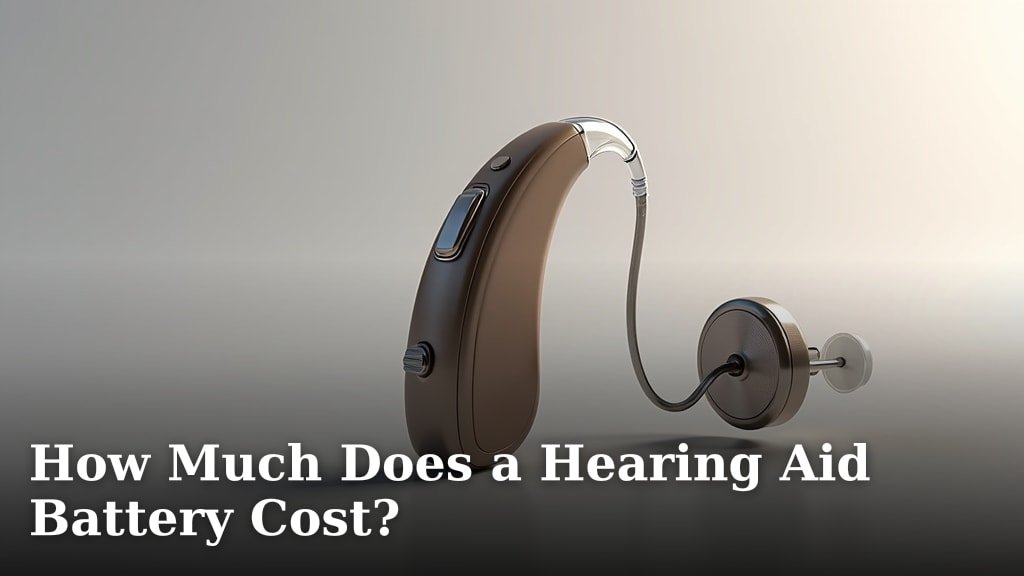
On average, a single hearing aid battery costs anywhere from $0.50 to $2.00. This price depends on the battery type and where you buy them. Most people purchase them in multi-packs, which can bring the unit cost down.
You’ll find that different battery sizes and brands have varying prices. Rechargeable options change the cost structure entirely. We found that buying larger quantities often saves you money in the long run.
- A single hearing aid battery typically costs between $0.50 and $2.00.
- Buying batteries in multi-packs usually offers a better unit price.
- Prices vary based on battery size (10, 13, 312, 675) and brand.
- Rechargeable hearing aids have different ongoing costs compared to disposable batteries.
Let’s dive into the details and help you understand the full financial picture of keeping your hearing aids powered.
Understanding the Cost of Hearing Aid Batteries
So, you’re wondering about the real cost of keeping your hearing aids running? It’s a great question. We found that the price isn’t always straightforward. It depends on several factors.
We’re talking about more than just the sticker price. Think about how often you need to replace them. That adds up over time.
Factors Influencing Battery Price
Many things can change what you pay for hearing aid batteries. It’s like buying groceries; some brands cost more.
We’ll look at the main reasons for price differences. This way, you can make a smart choice for your budget.
Battery Size and Type
Hearing aid batteries come in four main sizes. Each size has a specific number: 10, 13, 312, and 675. You can usually find this number on the battery packaging.
Generally, smaller batteries cost a little less per unit. But they also tend to last for fewer days. Larger batteries might cost more upfront but last longer.
Here’s a quick overview of how common hearing aid battery sizes stack up:
| Battery Size | Common Color Code | Average Lifespan (Days) | Typical Cost Range (per battery) |
|---|---|---|---|
| 10 | Yellow | 3-7 | $0.75 – $1.50 |
| 312 | Brown | 5-10 | $0.70 – $1.75 |
| 13 | Orange | 6-14 | $0.65 – $1.70 |
| 675 | Blue | 9-20 | $0.80 – $2.00 |
Keep in mind these are averages. Your personal usage affects battery life. If you stream audio often, for example, your batteries may drain faster.
Brand and Quality
Just like with car batteries, hearing aid battery brands vary. Some well-known brands often cost a bit more. This is due to their reputation and consistent quality.
However, we found that many generic or store brands offer good performance too. Sometimes, you’re paying for the name, not always a huge difference in performance.
It’s worth trying a few brands to see what works best for you. Some people notice a difference, others don’t.
Purchase Location
Where you buy your batteries makes a big difference in price. Think about convenience versus cost savings.
- Audiologist’s Office: Often the most expensive option. You pay for convenience and immediate availability.
- Pharmacies/Drugstores: Prices are usually a bit lower than an audiologist’s office. You get them right away.
- Supermarkets/Big Box Stores: Can offer competitive prices, especially for multi-packs.
- Online Retailers: Generally the cheapest option. You can buy in bulk and often find sales. Shipping costs might apply, so watch for that.
Buying online can save you a lot. But you need to plan ahead. You don’t want to run out of batteries!
Disposable vs. Rechargeable Hearing Aids
This is a big decision that impacts your long-term costs. Are you Team Disposable or Team Rechargeable?
Both have pros and cons regarding your wallet. Let’s break down the financial side.
Cost of Disposable Batteries Over Time
If you use disposable batteries, you’ll have ongoing expenses. These add up year after year.
Let’s do a little math. Say you use two batteries (one for each ear) that last 7 days. That’s about 8 batteries per month. If each battery costs $1.00, you’re spending $8.00 a month. That’s nearly $100 a year!
This cost varies greatly depending on your specific needs. Do you wear your hearing aids all day? Do you stream a lot of music?
We found that heavy users might spend $150-$200 annually on batteries. It’s a line item in your budget you need to remember.
Cost of Rechargeable Hearing Aids
Rechargeable hearing aids work differently. You pay more upfront for the hearing aids themselves. They include a built-in battery and charger.
The good news? You don’t buy disposable batteries every week. This means zero ongoing battery costs for years.
Rechargeable batteries usually last the lifetime of the hearing aid, which is typically 4-5 years. Some might need a replacement sooner (Mayo Clinic). If they do need replacing, that could be an extra cost, but it’s not a frequent one.
So, the trade-off is higher initial cost versus no recurring battery expense. Which one sounds better to you?
Saving Money on Your Hearing Aid Batteries
Who doesn’t love saving a few bucks? We’ve found some smart ways to reduce your hearing aid battery expenses. It’s all about being a savvy shopper.
Bulk Buying and Subscriptions
This is probably the best way to save money. Buying larger quantities almost always lowers the unit cost.
Think about a pack of 6 batteries versus a pack of 60. The 60-pack will usually have a much cheaper price per battery.
- Online Retailers: Many offer multi-packs of 60 or even 120 batteries.
- Subscription Services: Some companies let you subscribe for regular battery deliveries. They often give a discount for this convenience. This way, you never run out unexpectedly.
Always check the expiration date when buying in bulk. You want fresh batteries that will last. Batteries can lose power over time, even if unused.
Proper Storage and Care Tips
Extend your battery life with a few simple habits. This can save you money by making your batteries last longer.
Here are some quick tips:
- Store in a Cool, Dry Place: Humidity and heat shorten battery life (NIH). Your bathroom is probably not the best spot.
- Keep Them Sealed: Don’t remove the tab until you’re ready to use the battery. Once the tab is off, the battery starts to activate.
- Wash Your Hands: Oils and dirt from your fingers can affect battery performance.
- Open the Battery Door at Night: This helps air circulate and reduces moisture. It also lets the battery “rest.”
- Remove Batteries if Not Using: If you won’t use your hearing aids for a few days, take the batteries out. This prevents corrosion.
These small actions can add days to your battery’s life. Think of it as free money!
Insurance and Assistance Programs
Does insurance cover hearing aid batteries? Unfortunately, most private health insurance plans do not. Medicare also typically doesn’t cover hearing aids or their batteries (Medicare.gov).
However, there are exceptions and some programs that might help:
- Medicaid: Some state Medicaid programs may cover hearing aid batteries. Check with your state’s specific guidelines.
- Veterans Affairs (VA): If you are a veteran, the VA often provides hearing aids and batteries at little to no cost.
- Charitable Organizations: Organizations like the Hearing Loss Association of America (HLAA) can guide you to assistance programs.
- Flexible Spending Accounts (FSAs) / Health Savings Accounts (HSAs): You can often use these pre-tax dollars to pay for hearing aid batteries. This saves you money indirectly.
It’s always worth checking if you qualify for any assistance. Every little bit helps your budget.
Your Battery Checklist for Smart Spending
Ready to put all this knowledge to good use? Here’s a quick checklist to help you stay on top of your hearing aid battery costs and care.
- Know your exact battery size (10, 13, 312, or 675).
- Compare prices from different retailers (online vs. local stores).
- Consider buying in bulk to get a better unit price.
- Check for subscription services that offer discounts.
- Store batteries in a cool, dry place with tabs on.
- Open battery doors nightly to extend battery life.
By following these steps, you’ll be a pro at managing your hearing aid battery expenses. You’ll keep your hearing aids powered without breaking the bank.
Conclusion
Understanding the cost of hearing aid batteries is more than just knowing a single price. It involves weighing battery size, brand, and where you purchase them. Whether you choose disposable or rechargeable options impacts your long-term budget significantly. We found that adopting smart habits like buying in bulk and proper storage can genuinely lower your expenses. You can extend battery life and keep more money in your pocket. Take these practical steps to manage your hearing aid costs effectively and ensure uninterrupted hearing.
Frequently Asked Questions
How often will I need to replace my hearing aid batteries?
The frequency depends on your hearing aid model, battery size, and how much you use them. Smaller batteries (size 10) may last 3-7 days, while larger ones (size 675) can last up to 20 days. Heavy streaming or continuous use shortens battery life.
Can old batteries damage my hearing aid?
Yes, leaving dead or very low batteries in your hearing aid can lead to corrosion. This corrosion can damage the internal components of your device. Always remove dead batteries promptly, especially if storing your hearing aids for a long time.
Are zinc-air batteries the only type used in hearing aids?
For disposable hearing aids, zinc-air batteries are the standard. They use air to activate, which is why they have a tab you remove before use. Rechargeable hearing aids, however, use integrated lithium-ion batteries.
Is there a difference between hearing aid batteries and regular watch batteries?
Yes, there’s a significant difference. Hearing aid batteries are typically zinc-air batteries designed for consistent power discharge over several days. Watch batteries are usually silver oxide or lithium, meant for very long-term, low-drain use.
Do humidity and temperature affect battery life?
Absolutely. High humidity can shorten battery life and even cause corrosion. Extreme temperatures, both hot and cold, can also reduce battery performance and overall lifespan. Store your batteries in a cool, dry place for best results.