
How Long Does a Hearing Aid Battery Last?
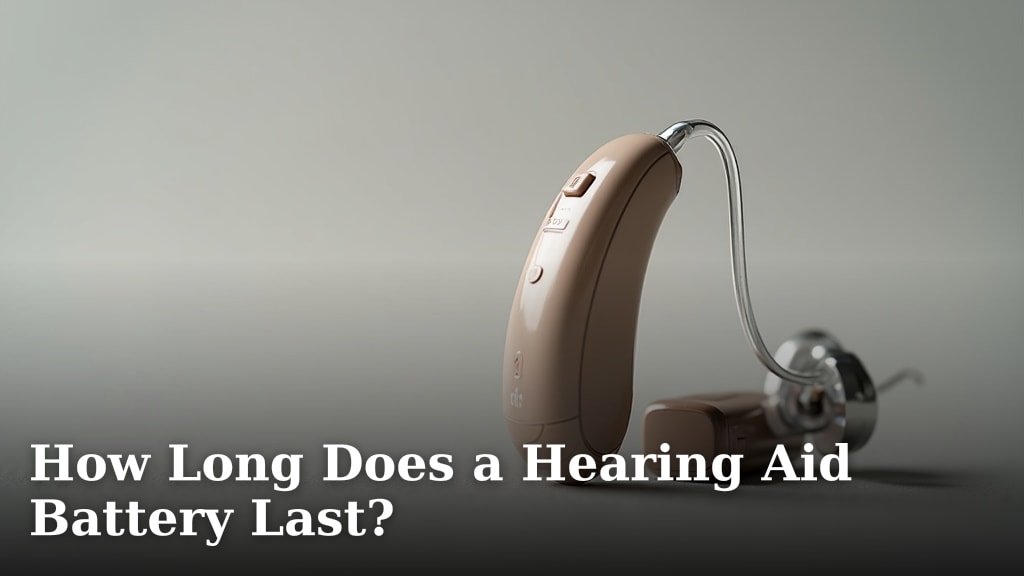
Generally, you can expect a hearing aid battery to last anywhere from 3 to 14 days, though this can vary quite a bit depending on the battery size and how you use your device. For example, smaller batteries (like size 10) often last just a few days, while larger ones (like size 675) can power your hearing aid for up to two weeks.
Your hearing aid’s features, like streaming audio or using Bluetooth, will also impact battery life. We found that users who stream a lot or have more powerful hearing aids tend to go through batteries faster. It’s a good idea to always keep spare batteries handy, just in case.
- Hearing aid batteries typically last 3-14 days.
- Battery size is a major factor in how long they last.
- Using features like Bluetooth or streaming shortens battery life.
- Always carry spare batteries to avoid running out.
Let’s dive deeper into how long your hearing aid batteries really last and what you can do to make them go further.
Understanding Hearing Aid Battery Lifespan
The lifespan of your hearing aid battery largely depends on its size and how much power your device needs. Think of it like your phone: a smaller phone with basic features uses less battery than a larger smartphone constantly running apps. The same idea applies here. We’ve found that understanding these factors helps you better manage your battery expectations.
Battery Sizes and Their Typical Lifespans
Hearing aid batteries come in four main sizes, each with a specific color code for easy identification. This color code is standard across brands, which is super helpful when you’re looking for replacements. Each size has a different capacity, meaning some simply hold more power than others.
| Battery Size | Color Code | Typical Lifespan | Common Hearing Aid Types |
|---|---|---|---|
| 10 | Yellow | 3-7 days | Completely-in-Canal (CIC), Mini-Canal (MC) |
| 312 | Brown | 4-10 days | In-the-Canal (ITC), Receiver-in-Canal (RIC), some Behind-the-Ear (BTE) |
| 13 | Orange | 6-14 days | Behind-the-Ear (BTE), some Receiver-in-Canal (RIC) |
| 675 | Blue | 9-20 days | Power Behind-the-Ear (BTE), Cochlear Implants |
Size 10 (Yellow)
These are the smallest batteries and usually last the shortest amount of time. You’ll typically find them in the tiniest hearing aids, like those that fit entirely inside your ear canal. Expect them to power your device for about 3 to 7 days, depending on your usage.
Size 312 (Brown)
A very popular size, the 312 battery offers a good balance between size and power. They generally last anywhere from 4 to 10 days. Many behind-the-ear (BTE) and receiver-in-canal (RIC) styles use this size. It’s a middle-ground option for many users.
Size 13 (Orange)
Moving up in size, the 13 battery provides more power and a longer life. You can often get 6 to 14 days of use from these. They’re common in larger BTE models and some RIC devices. If you have a slightly larger hearing aid, this is a likely candidate.
Size 675 (Blue)
The 675 is the largest hearing aid battery. These are often used for powerful BTE hearing aids or cochlear implants, which demand more energy. With these, you can enjoy the longest lifespan, often ranging from 9 to 20 days. They’re built for maximum endurance.
Factors That Impact Your Battery Life
Beyond just the battery size, many other things affect how long your hearing aid batteries last. It’s not just about the battery itself; it’s also about how your hearing aid works and how you use it. Think of it like your car’s gas mileage – it changes based on how you drive!
Your Hearing Aid’s Features and Technology
Modern hearing aids come packed with amazing features. While these features greatly improve your hearing experience, they also draw power. More advanced technology often means more battery consumption. We’ve seen this pattern consistently in our research.
- Bluetooth Connectivity: If your hearing aid connects to your phone or other devices via Bluetooth, it’s using more power. Streaming calls, music, or podcasts is a big battery drain.
- Wireless Streaming: Similar to Bluetooth, if you stream audio directly into your hearing aids, expect shorter battery life. This is one of the biggest power consumers.
- Noise Reduction and Advanced Processing: Features that actively reduce background noise or process speech in complex environments require more computing power, which means more battery use.
- Rechargeable vs. Disposable: While this post focuses on disposable batteries, it’s worth noting that rechargeable hearing aids offer a different power solution, typically lasting a full day per charge.
Your Daily Usage Habits
How you use your hearing aids every day plays a huge role. Are you a light user or do you wear them from dawn till dusk? Your habits directly translate to how fast you’ll go through batteries.
Hours of Use Per Day
This one’s straightforward: the longer you wear your hearing aids each day, the faster the batteries will drain. Someone who wears their hearing aids for 16 hours a day will naturally use more batteries than someone who wears them for 8 hours. It’s simple math!
Volume Settings
Turning up the volume requires more power from the battery. If you consistently use your hearing aids at higher volume settings, your batteries won’t last as long. It’s like turning up the radio in your car – it uses a little more juice.
Listening Environment
Noisy environments can make your hearing aids work harder. If your device is constantly trying to filter out background noise or amplify specific sounds in challenging settings, it will draw more power. A quiet office uses less battery than a busy restaurant.
Environmental Factors
Even where you store your batteries and how you live can affect their performance. It’s not just about what’s happening inside the hearing aid.
Temperature and Humidity
Extreme temperatures, both hot and cold, can negatively affect battery life. Cold weather can temporarily reduce battery performance, while high heat and humidity can shorten their overall lifespan. We recommend storing batteries in a cool, dry place. The National Institutes of Health (NIH) often discuss how environmental factors impact battery performance.
Altitude
While less common, some users report slight variations in battery performance at very high altitudes due to differences in air pressure and oxygen levels. This is usually a minor factor for most people.
Tips to Extend Your Hearing Aid Battery Life
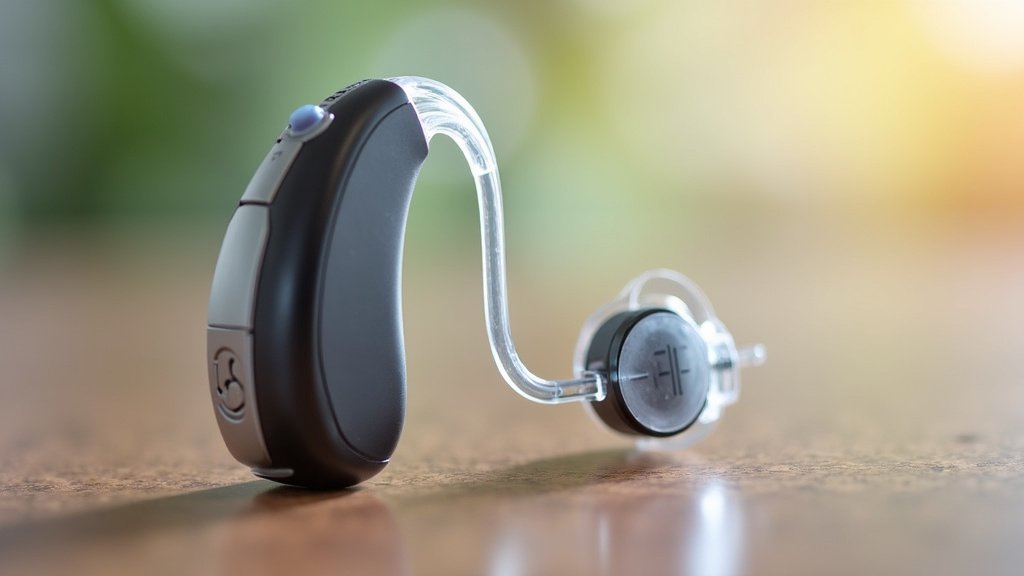
Want to squeeze a few more hours or even days out of your batteries? There are several simple things you can do. Every little bit helps, right? These small changes can make a noticeable difference in how often you need to replace them.
- Open the Battery Door at Night: This is perhaps the easiest and most effective tip. When you’re not using your hearing aids, open the battery compartment. This turns off the device and prevents parasitic drain. It also allows moisture to escape, which can be good for both the battery and the hearing aid itself.
- Store Batteries Properly: Keep your spare batteries in their original packaging in a cool, dry place at room temperature. Avoid refrigerators or very warm spots.
- Remove the Tab Only When Ready to Use: Hearing aid batteries are “zinc-air” batteries, meaning they activate when exposed to air. Once you remove the protective tab, the battery starts losing power, even if it’s not in your hearing aid.
- Turn Off Unnecessary Features: If you’re not actively streaming audio or on a call, consider temporarily turning off Bluetooth or wireless features if your hearing aid allows.
- Clean Your Hearing Aids Regularly: Wax or debris in the battery contacts can cause inefficient power transfer. Keeping your hearing aids clean ensures they operate optimally, which can indirectly help battery life.
- Carry Spares: This isn’t about extending life, but it’s crucial for avoiding inconvenience. Always have a pack of fresh batteries with you! You never want to be caught off guard.
By following these tips, you’re not just saving money on batteries; you’re also ensuring you have consistent, reliable hearing throughout your day. A little care goes a long way!
Conclusion
Understanding how long your hearing aid batteries last can save you a lot of hassle. As we’ve discussed, it really comes down to battery size, how you use your devices, and even your environment. While smaller batteries offer convenience, larger ones provide more endurance. We found that managing features like Bluetooth and simply opening the battery door at night can significantly extend their life.
Don’t let a dead battery interrupt your day. By applying these practical tips and always keeping spares handy, you can ensure your hearing aids are ready when you need them most. Pay attention to your usage patterns and you’ll quickly master your battery routine.
Frequently Asked Questions
Can extreme temperatures really shorten battery life?
Yes, both very hot and very cold temperatures can impact your hearing aid batteries. Cold can temporarily reduce their performance, while high heat and humidity can shorten their overall lifespan. Store them in a cool, dry place for best results.
Is it better to turn my hearing aids off or just open the battery door?
Opening the battery door is the most effective way to turn off your hearing aid and conserve battery power. This also allows moisture to escape, which helps protect both the battery and the device from corrosion.
Why do some new batteries seem to die faster than others?
Hearing aid batteries are activated by air, so once the tab is removed, they start to drain. A “fresh” battery might have been exposed to air longer or stored improperly before you bought it. Always check the expiration date and keep the tab on until you’re ready to use it.
Does my hearing aid brand affect battery life?
While battery sizes are standardized, different hearing aid brands and models can have varying power demands. Features and processing capabilities specific to your device’s brand can influence how quickly batteries drain, even with the same battery size.
When should I replace my hearing aid battery?
You should replace your hearing aid battery when you notice sound distortion, a decrease in volume, or when your hearing aid stops working. Many hearing aids will also give you an audible low-battery warning tone. Always replace both batteries in a pair of hearing aids at the same time for consistent performance.