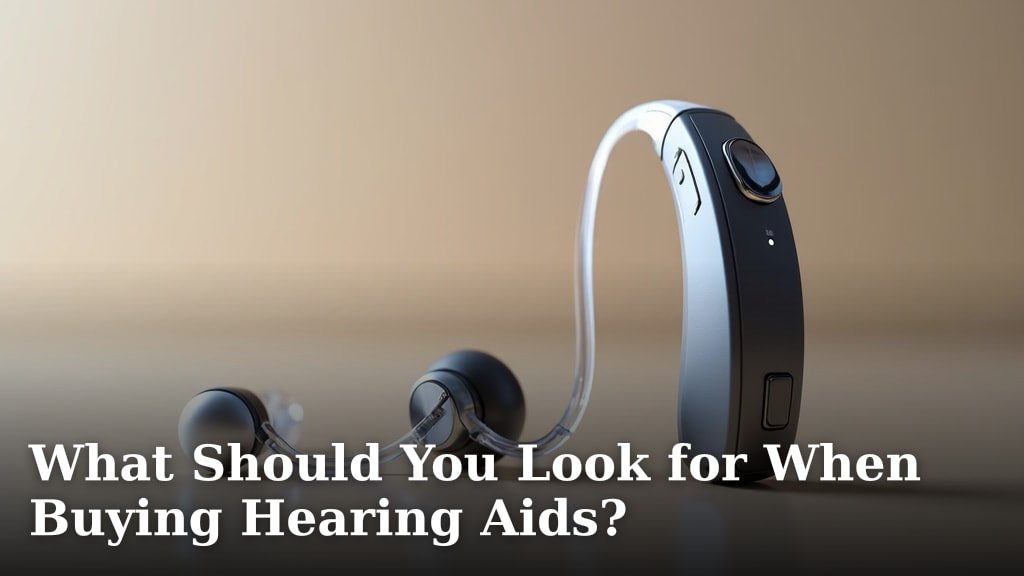
What Should You Look for When Buying Hearing Aids?
When buying hearing aids, you should look for devices that fit your specific hearing loss, lifestyle, and budget. Key features like digital noise reduction and connectivity options are very important. Always consider professional fitting and support to get the best results.
Choosing the right hearing aid can feel overwhelming with all the options out there. We found that focusing on your personal needs and preferences makes the process much simpler. Think about what activities you enjoy and how much support you’ll need from your provider.
- Match your hearing loss and lifestyle
- Prioritize features like noise reduction
- Consider device style and comfort
- Look for good battery life and connectivity
- Ensure professional fitting and ongoing support
Let’s walk through everything you need to consider to make an informed decision about your new hearing aids.
Finding the Perfect Hearing Aid for You
Choosing the right hearing aid involves understanding your unique needs. You want a device that truly helps you hear better in your daily life. Let’s explore what makes a hearing aid a good fit for you.
Understanding Your Hearing Loss Profile
Your journey begins with a thorough understanding of your hearing loss. This is more than just knowing you “can’t hear well.”
The Audiogram: Your Hearing Map
An audiogram is a detailed chart showing your hearing thresholds. It’s like a map of your hearing ability. An audiologist performs this test and explains the results to you.
We found that understanding your audiogram helps you and your provider choose the right technology level. It reveals the degree and type of your hearing loss (CDC).
Types of Hearing Loss
Hearing loss isn’t one-size-fits-all. You might have sensorineural, conductive, or mixed hearing loss. Each type responds differently to various hearing aid technologies.
For example, a mild sensorineural loss might benefit from a basic device. A severe loss often needs more powerful and advanced features.
Considering Your Lifestyle and Daily Activities
Your lifestyle plays a huge role in what kind of hearing aid you need. Are you a homebody or an adventurer? Think about where you spend most of your time.
Quiet vs. Noisy Environments
Do you mostly have conversations in quiet settings? Or do you frequently attend noisy family gatherings, restaurants, or work meetings?
If you’re often in noisy places, you’ll want aids with advanced noise reduction and directional microphones. These features help you focus on speech and reduce background chatter.
Active vs. Sedentary Lifestyles
Are you very active, perhaps playing sports or exercising regularly? Or do you prefer quieter activities like reading and watching TV?
Active individuals might need more durable, water-resistant hearing aids. Comfort during movement is also a key factor.
Key Features and Technologies to Look For
Modern hearing aids come packed with amazing technology. Knowing which features are important for you can simplify your choice.
Digital Noise Reduction
This feature helps you hear conversations better in loud environments. It automatically identifies and reduces unwanted background noise. Many experts say this is a must-have feature for most users.
Directional Microphones
These microphones help you focus on sounds coming from a specific direction. They’re especially useful for one-on-one conversations in noisy places. Imagine a spotlight for sound – that’s what they do!
Connectivity Options: Bluetooth and Apps
Many hearing aids offer Bluetooth connectivity. This lets you stream audio directly from your phone, TV, or other devices. You can even use smartphone apps to control settings and programs.
This means your hearing aids can act like tiny headphones, giving you clear, personalized sound directly to your ears. We found that users often love the convenience of direct streaming.
Rechargeability and Battery Life
Rechargeable hearing aids are very popular. You simply place them in a charging dock overnight. No more fumbling with tiny batteries!
If you prefer disposable batteries, consider their lifespan. You want batteries that last long enough for your daily activities without constant changes.
Exploring Different Styles and Comfort
Hearing aids come in various styles. Each has its pros and cons regarding visibility, comfort, and features. Your comfort is paramount.
Behind-the-Ear (BTE)
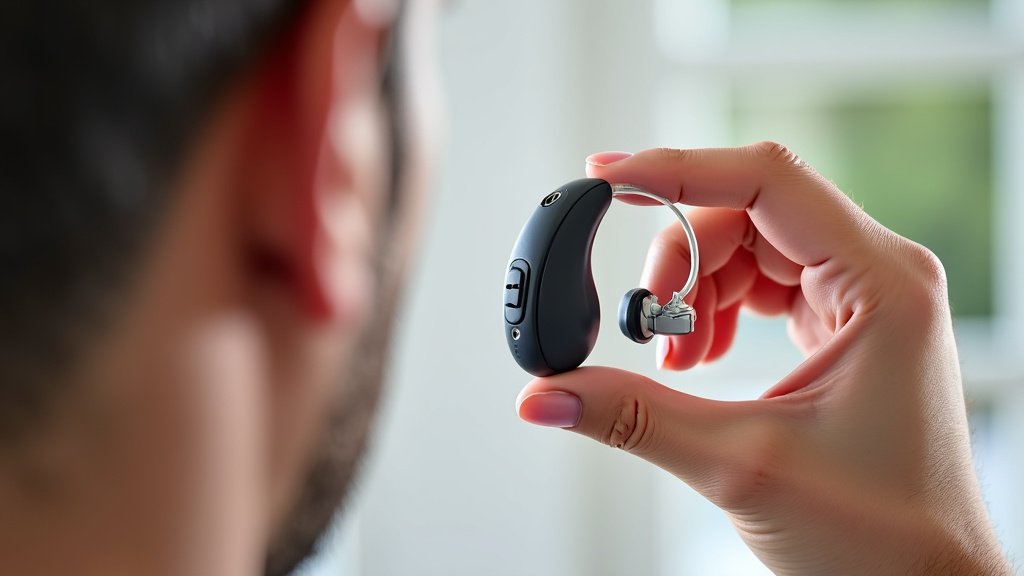
BTE aids sit behind your ear and connect to a custom earpiece or dome. They are often more powerful and durable. They can also accommodate more features.
Receiver-in-Canal (RIC) or Receiver-in-Ear (RIE)
Similar to BTEs, but smaller, with the receiver (speaker) placed inside your ear canal. They are often more discreet and offer a natural sound quality. Many people find them very comfortable.
In-the-Ear (ITE)
These custom-made aids fit entirely within the outer ear bowl. They are less visible than BTEs. Some people prefer them for their ease of handling.
Completely-in-Canal (CIC) and Invisible-in-Canal (IIC)
These are the smallest and most discreet options, fitting deep inside your ear canal. They are almost invisible. However, their small size means fewer features and shorter battery life.
| Style | Visibility | Power/Features | Comfort |
|---|---|---|---|
| Behind-the-Ear (BTE) | Most Visible | High | Good |
| Receiver-in-Canal (RIC/RIE) | Less Visible | Medium-High | Very Good |
| In-the-Ear (ITE) | Custom Fit, Visible | Medium | Good |
| Completely-in-Canal (CIC) | Very Discreet | Low-Medium | Good |
| Invisible-in-Canal (IIC) | Nearly Invisible | Lowest | Good |
The Importance of Professional Fitting and Ongoing Support
Buying hearing aids isn’t just a transaction; it’s a partnership with your audiologist. Their expertise is crucial for success.
Initial Assessment and Programming
A professional fitting ensures your hearing aids are programmed precisely for your hearing loss. This isn’t something you can do yourself. Proper programming means better sound quality and speech understanding.
We found that correct programming significantly impacts your satisfaction with your devices (NIH).
Follow-up Appointments and Adjustments
Your hearing needs can change. Your audiologist will schedule follow-up visits to fine-tune your aids. They’ll also help you adapt to wearing them.
Don’t skip these appointments! They are key to getting the most out of your investment.
Cleaning, Maintenance, and Repairs
Your provider also offers support for cleaning, maintenance, and any necessary repairs. They’re your go-to resource for keeping your hearing aids in top condition.
Budget and Financial Considerations
Hearing aids are an investment in your quality of life. Prices can vary widely, so it’s important to understand the costs involved.
Understanding What Affects Price
The price of hearing aids often reflects the technology level. More advanced features, such as better noise reduction or connectivity, typically cost more.
We found that some providers include professional services in the initial price. Others charge for them separately. Always ask for a clear breakdown of costs.
Insurance Coverage and Payment Options
Check with your insurance provider about coverage for hearing aids. Some plans offer partial benefits. Others may not cover them at all.
Many clinics offer payment plans or financing options. Don’t let the initial cost deter you from exploring your options.
Your Hearing Aid Checklist
Before you make a decision, go through this quick checklist:
- Have you had a recent hearing test and received an audiogram?
- Does the hearing aid style suit your comfort and cosmetic preferences?
- Does it include features essential for your lifestyle, like noise reduction?
- Is the professional fitting and ongoing support package clear and comprehensive?
- Are the overall costs and payment options manageable for your budget?
- Have you asked about a trial period? (Most providers offer one.)
Asking these questions helps ensure you make a confident and informed choice for your hearing health.
Conclusion
Choosing hearing aids is a big step towards better hearing and a richer life. We’ve walked through understanding your unique hearing loss, matching devices to your lifestyle, and recognizing essential features like noise reduction and connectivity. Remember, comfort and style matter, but professional support is truly non-negotiable for the best results.
By using this guide, you can confidently navigate your options. Take your time, ask questions, and partner with a trusted audiologist. Your improved hearing journey starts with an informed decision today.
Frequently Asked Questions
How often should I get my hearing re-evaluated once I have hearing aids?
You should plan for annual hearing check-ups with your audiologist. This ensures your hearing aids remain optimally programmed for any changes in your hearing. Regular evaluations help maintain the best possible listening experience.
Can I try hearing aids before committing to a purchase?
Yes, most reputable providers offer a trial period, typically 30-60 days. This allows you to experience the hearing aids in your daily environments. Always ask about the trial period and any associated fees or return policies upfront.
Are over-the-counter (OTC) hearing aids a good option?
OTC hearing aids can be suitable for adults with perceived mild to moderate hearing loss. They are generally more affordable and don’t require a professional fitting. However, they may lack the advanced features and personalized programming an audiologist provides.
What is the average lifespan of a hearing aid?
On average, hearing aids last between three to seven years. Their lifespan depends on factors like maintenance, exposure to moisture, and how well you care for them. Regular cleaning and professional servicing can extend their life.
Will wearing hearing aids make my hearing worse over time?
No, properly fitted hearing aids will not make your hearing worse. In fact, they can help keep your auditory system active, which may prevent further decline. Untreated hearing loss is more likely to lead to cognitive issues and communication difficulties.