What Should You Look for in an OTC Hearing Aid?
On this page (3 sections)
When looking for an OTC hearing aid, you should prioritize devices with adjustable settings, a comfortable fit, and good sound quality. We found that features like rechargeable batteries and a user-friendly app greatly enhance your experience.
You want an OTC hearing aid that fits your lifestyle and hearing needs without breaking the bank. Think about how easy it is to use and if it offers the clarity you seek in noisy places. Don’t settle for less than clear, natural sound.
- Adjustable settings are key for personalization.
- Look for a comfortable and secure fit.
- Sound quality should be clear, not tinny.
- Rechargeable batteries offer convenience.
- A user-friendly app helps with control.
Let’s walk through the essential features and considerations so you can choose the best OTC hearing aid for your unique hearing journey.
Choosing the Right OTC Hearing Aid
You’re ready to improve your hearing, and that’s a big step! Finding the perfect OTC hearing aid doesn’t have to be overwhelming. We’ve done the research and found that focusing on a few key areas will help you make a smart choice.
Think of it like buying a new pair of glasses. You wouldn’t just grab the first pair you see, right? You’d want them to fit well, look good, and most importantly, help you see clearly. The same goes for hearing aids.
Understanding Your Hearing Needs
Before you even start looking at devices, take a moment to understand what kind of hearing help you need. Are you struggling with soft sounds, or do noisy restaurants make conversations impossible? Knowing this will guide your selection.
We found that many people benefit from an online hearing screening. These can give you a general idea of your hearing levels. While not a medical diagnosis, it’s a good starting point (NIH).
Mild vs. Moderate Hearing Loss
OTC hearing aids are generally designed for adults with perceived mild to moderate hearing loss. What does that mean for you? If you often ask people to repeat themselves, or struggle in group settings, these devices might be a great fit.
If you have severe hearing loss or suspect a medical issue, it’s always best to see a doctor or audiologist first. They can rule out any underlying conditions.
Key Features to Prioritize
Once you understand your needs, it’s time to dive into the features that truly matter. We found that some features make a huge difference in your daily experience.
Sound Quality and Clarity
This is probably the most important factor. You want sound that is clear, natural, and comfortable. Nobody wants tinny, artificial, or overly loud sounds blasting in their ears. Good sound quality means voices are understandable and background noise isn’t overwhelming.
Many OTC aids offer different sound profiles or settings. You should look for devices that allow you to adjust these to suit different environments, like a quiet room or a busy street.
Comfort and Fit
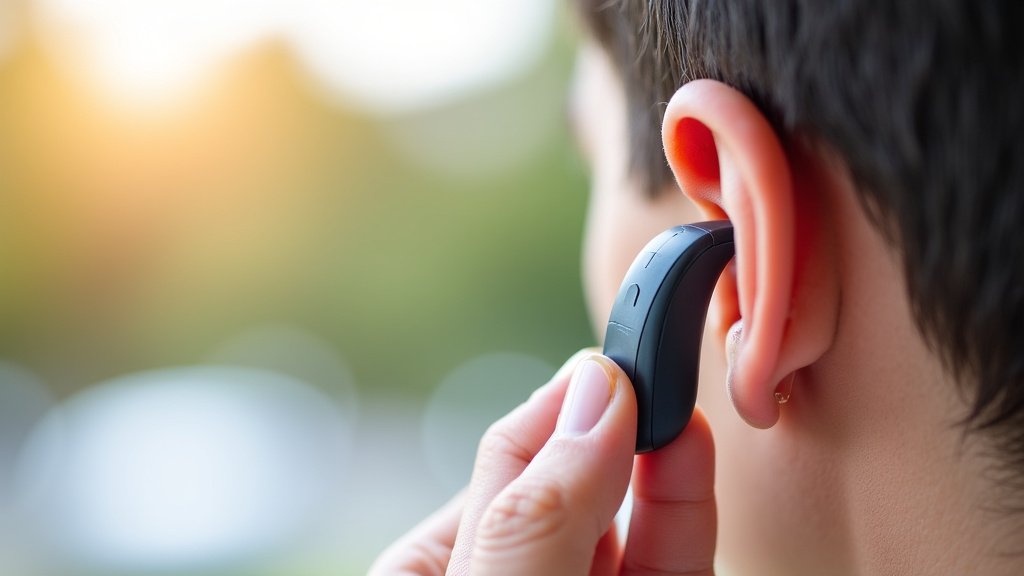
If a hearing aid isn’t comfortable, you won’t wear it. It’s that simple! Look for devices that come with different ear tip sizes or styles. A secure, comfortable fit prevents feedback (whistling sounds) and ensures the sound reaches your ear properly.
You might prefer an in-the-ear style that’s barely visible, or a behind-the-ear model that’s often more powerful. Think about what feels best and is easy for you to handle.
Adjustability and Personalization
This is where OTC hearing aids have come a long way. The best devices let you tweak settings yourself. We found that having control over volume, treble, and bass makes a huge difference in user satisfaction.
Some models connect to a smartphone app, giving you even more control. Imagine being able to fine-tune your listening experience right from your phone, adapting to your environment with ease.
Battery Life and Type
Do you want to fuss with tiny batteries, or would you prefer the convenience of rechargeable ones? Most modern OTC hearing aids offer rechargeable batteries, which many users prefer. Just pop them in a charging case overnight, and they’re ready for another full day.
If you choose disposable batteries, check how long they last and how easy they are to replace. Keep a spare set handy, just like you would for your remote control!
Additional Features to Consider
Beyond the basics, some extra features can make your OTC hearing aid experience even better. These aren’t always deal-breakers, but they can be very helpful.
Connectivity (Bluetooth)
Many OTC hearing aids now offer Bluetooth connectivity. This means you can stream calls, music, or podcasts directly to your hearing aids. It turns your hearing aids into tiny wireless headphones, offering a very integrated experience.
This feature is a game-changer if you often use your phone or enjoy listening to audio. It brings the sound directly to your ears, bypassing outside noise.
Noise Reduction Technology
Are noisy environments your biggest challenge? Look for hearing aids with advanced noise reduction features. These systems help to minimize background chatter and focus on the voices you want to hear.
While no hearing aid can eliminate all noise, good noise reduction can make a significant difference in restaurants, family gatherings, or public places.
Telecoil Functionality
A telecoil, or “T-coil,” is a small wire that picks up electromagnetic signals. This is particularly useful in places like theaters, churches, or auditoriums that have hearing loop systems. It helps you hear the speaker directly, often with great clarity.
If you frequent places with hearing loops, this feature is definitely worth looking for. It can greatly enhance your experience in those specific settings.
Budget and Value
OTC hearing aids offer a more affordable option compared to traditional prescription aids, but additional costs can still affect your budget. However, prices can still vary quite a bit. Think about what features are most important to you versus what you’re willing to spend.
Remember, the most expensive option isn’t always the best for you, and the cheapest might not provide the quality you need. We encourage you to seek out the best value for your specific situation.
Here’s a quick comparison of typical features you might see:
| Feature Category | Basic OTC Aid (Example) | Advanced OTC Aid (Example) |
|---|---|---|
| Sound Quality | Basic amplification, some clarity | Natural sound, enhanced speech clarity |
| Adjustability | Volume control, pre-set programs | App control, custom sound profiles, tone adjustments |
| Battery Type | Disposable batteries (e.g., A10, 312) | Rechargeable (e.g., 24+ hour charge) |
| Connectivity | None or limited | Bluetooth streaming for calls/audio |
| Noise Reduction | Basic or none | Moderate to advanced processing |
| Fit Options | Few ear tip sizes | Multiple ear tip sizes/styles for comfort |
Trial Periods and Warranties
Even with all the research, sometimes you just need to try a device to know if it’s right. Many manufacturers offer a risk-free trial period, often 30 to 45 days. This is a fantastic opportunity to test the hearing aid in your everyday life.
Always check the warranty as well. A good warranty offers peace of mind, covering defects or malfunctions for a certain period. This protects your investment.
Your OTC Hearing Aid Checklist
Ready to narrow down your choices? Use this handy checklist to make sure you’re getting the best device for your needs:
- Does it offer clear, natural sound without distortion?
- Is it comfortable to wear for extended periods?
- Can you easily adjust the settings to fit different environments?
- Does it have rechargeable batteries for convenience?
- Is there a trial period and a solid warranty?
- Does it include features like Bluetooth or noise reduction if you need them?
Taking your time and considering these factors will help you find an OTC hearing aid that truly enhances your daily life. We want you to feel confident and connected, enjoying every conversation.
Conclusion
Choosing an OTC hearing aid means taking control of your hearing health. You’ve learned that focusing on sound quality, comfort, and adjustable settings is essential. Rechargeable batteries and helpful apps can further enhance your daily experience.
We encourage you to use the checklist provided and prioritize features that align with your lifestyle. Take advantage of trial periods to find the perfect fit. By being informed, you can confidently select a device that brings clarity and connection back into your life.
Your journey to better hearing starts now, and you’re well-equipped to make an excellent choice!
Frequently Asked Questions
Are OTC hearing aids as good as prescription hearing aids?
OTC hearing aids are designed for adults with perceived mild to moderate hearing loss. Prescription hearing aids typically offer more advanced features and are fitted by an audiologist, often suitable for more severe hearing loss or complex cases. We found that for their intended use, many OTC options provide excellent performance.
Do I need an audiologist to buy an OTC hearing aid?
No, you do not need a prescription or a visit to an audiologist to purchase an OTC hearing aid. They are available directly to consumers. However, if you suspect more than mild to moderate hearing loss or have any medical concerns, we recommend consulting a healthcare professional.
How do I know if an OTC hearing aid will fit my ear?
Most OTC hearing aids come with various sizes and types of ear tips to help you find a comfortable and secure fit. We recommend looking for devices that offer a wide range of these options. A proper fit is crucial for both comfort and optimal sound delivery.
Can OTC hearing aids help with tinnitus?
While OTC hearing aids primarily address hearing loss, some users report a reduction in the perception of tinnitus when using them. This is because amplifying external sounds can make the internal ringing less noticeable. However, they are not specifically designed to treat tinnitus.
What’s the typical lifespan of an OTC hearing aid?
The lifespan of an OTC hearing aid can vary, but generally, you can expect them to last anywhere from 3 to 5 years with proper care. Factors like battery type, daily usage, and maintenance play a big role. We found that warranties often cover initial defects, protecting your investment.