How Do Hearing Aids Work? A Simple Guide for Seniors
Hearing aids work by capturing sound through a microphone, amplifying it with a computer chip, and delivering the enhanced sound to your ear through a speaker.
These small electronic devices help people with hearing loss by making sounds louder and clearer, allowing you to better understand speech and enjoy everyday sounds again.
The Basic Parts That Make Hearing Aids Work
Think of a hearing aid like a tiny sound system for your ear. Every hearing aid has three main parts that work together.
The Microphone: Your Sound Collector
The microphone sits on the outside of your hearing aid. It picks up sounds from around you, just like the microphone a singer uses on stage.
When someone talks to you or a dog barks nearby, the microphone catches those sound waves. It then turns them into electrical signals that the hearing aid can work with.
The Amplifier: Your Personal Volume Control
The amplifier is like having a smart assistant inside your hearing aid. It takes those electrical signals from the microphone and makes them stronger.
Modern hearing aids use tiny computer chips instead of old-style amplifiers. These chips are smart enough to boost the sounds you need to hear while reducing background noise you don’t want.
The Speaker: Your Sound Delivery System
The speaker, also called a receiver, is the final step. It takes the amplified electrical signals and turns them back into sound waves.
These enhanced sound waves travel into your ear canal, where your brain can process them normally. It’s like having a personal translator that makes quiet sounds loud enough for you to hear.
How Sound Travels Through Your Hearing Aid
The journey from sound to your brain happens incredibly fast. I found that this whole process takes less than a few milliseconds.
Step 1: Sound Collection
When someone speaks, their voice creates sound waves in the air. Your hearing aid’s microphone captures these waves, even the quiet ones you might miss.
Step 2: Digital Processing
The computer chip analyzes the sound. It decides what frequencies you need boosted based on your specific hearing loss pattern.
This is where modern hearing aids shine. They can tell the difference between speech and background noise, making conversations clearer.
Step 3: Sound Delivery
The processed sound goes to the speaker, which sends it directly into your ear. You hear a clearer, louder version of the original sound.
Types of Hearing Aids and How They Differ
Not all hearing aids work exactly the same way. The basic process is similar, but where they sit and how they deliver sound can vary.
Behind-the-Ear (BTE) Models
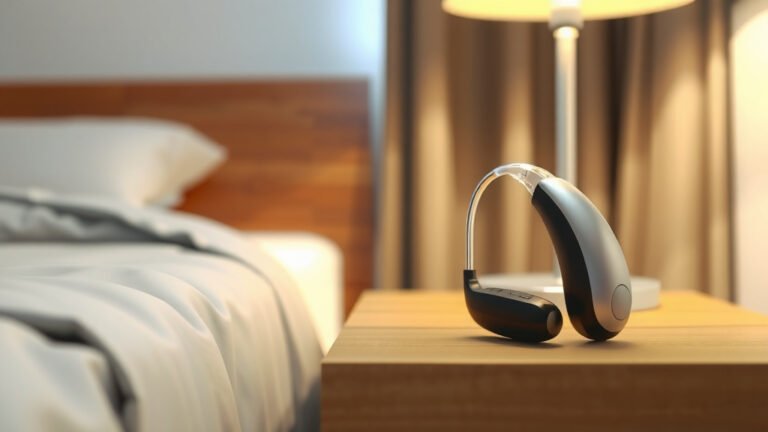
BTE hearing aids sit behind your ear with a tube that goes into your ear canal. The microphone and amplifier stay safely behind your ear, protected from earwax.
These work well for people with more severe hearing loss because they can provide more power.
In-the-Ear (ITE) Models
ITE hearing aids fit completely inside your outer ear. All the parts are packed into a small custom shell made just for your ear.
They’re less visible than BTE models but might not be suitable for severe hearing loss.
Completely-in-Canal (CIC) Models
CIC hearing aids are tiny and sit deep in your ear canal. They’re nearly invisible but have limited space for batteries and features.
These work best for mild to moderate hearing loss.
Receiver-in-Canal (RIC) Models
RIC hearing aids put the speaker directly in your ear canal while keeping the microphone and amplifier behind your ear. This design often provides the most natural sound quality.
Modern Technology That Makes Hearing Aids Smarter
Today’s hearing aids are like tiny computers. Research from the National Institute on Deafness shows that digital technology has transformed how these devices work.
Noise Reduction Features
Your hearing aid can tell when you’re in a noisy restaurant versus a quiet library. It automatically adjusts to reduce background noise while keeping speech clear.
Some hearing aids even have different programs for different situations, like watching TV or talking on the phone.
Directional Microphones
These special microphones focus on sounds coming from in front of you while reducing noise from behind. It’s like having a spotlight for your ears.
When you’re having a conversation, this feature helps you focus on the person speaking rather than the air conditioner humming in the background.
Bluetooth Connectivity
Many hearing aids now connect wirelessly to your phone, TV, or other devices. Sound streams directly into your hearing aids, giving you clearer audio.
You can answer phone calls hands-free or listen to music without anyone else hearing it.
Smartphone Apps for Control
You can adjust your hearing aid settings using an app on your phone. Change the volume, switch programs, or even locate lost hearing aids.
Some apps let your audiologist make adjustments remotely, so you don’t always need office visits for minor changes.
Understanding Your Hearing Loss Pattern
Your hearing aids work best when they’re programmed for your specific type of hearing loss. Not everyone loses hearing the same way.
High-Frequency Hearing Loss
Many seniors have trouble hearing higher-pitched sounds like women’s voices or birds singing. Your hearing aid will boost these frequencies more than others.
Low-Frequency Hearing Loss
Some people struggle with deeper sounds like men’s voices or thunder. The hearing aid adjusts differently for this pattern.
Mixed Hearing Loss
If you have trouble with both high and low sounds, your hearing aid creates a custom sound profile that addresses both areas.
Battery Power and How It Affects Performance
Your hearing aid needs steady power to work properly. When batteries get low, you might notice sounds becoming unclear or quieter.
Disposable Batteries
Traditional hearing aid batteries last 3-14 days depending on your hearing aid type and usage. The more features you use, the faster they drain.
Rechargeable Options
Rechargeable hearing aids eliminate the need to change tiny batteries. You simply place them in a charging case overnight.
I found from audiologist reports that rechargeable options are becoming more popular with seniors who have dexterity challenges.
Getting the Best Performance From Your Hearing Aids
Your hearing aids work better when you take care of them properly. Small maintenance steps make a big difference.
Daily Cleaning Habits
Wipe your hearing aids with a dry cloth each night. Remove any earwax or moisture that could block the microphone or speaker.
Clean hearing aids pick up sound better and last longer.
Regular Professional Adjustments
Your hearing can change over time. Regular check-ups ensure your hearing aids still match your current hearing loss pattern.
Many people notice better performance after professional cleaning and adjustments.
Storage and Protection
Store your hearing aids in a dry place when not wearing them. Moisture can damage the electronic parts and affect how they work.
| Hearing Aid Component | What It Does | How It Helps You |
|---|---|---|
| Microphone | Captures sound waves | Picks up speech and sounds around you |
| Computer Chip | Processes and amplifies | Makes sounds clearer and louder |
| Speaker | Delivers sound to ear | Provides enhanced audio you can hear |
| Battery | Powers the device | Keeps everything running smoothly |
Common Questions About How Hearing Aids Function
Many seniors wonder whether hearing aids will sound natural or artificial. Modern digital processing has made hearing aids much more natural-sounding than older models.
The adjustment period usually takes a few weeks as your brain gets used to hearing sounds it hasn’t processed clearly in years.
Why Hearing Aids Sometimes Whistle
That whistling sound, called feedback, happens when amplified sound leaks out and gets picked up by the microphone again. It’s like when a microphone gets too close to a speaker.
Proper fitting and modern feedback cancellation features have mostly solved this problem.
The Role of Professional Programming
Your audiologist programs your hearing aids based on your hearing test results. This programming tells the hearing aid exactly which frequencies to boost and by how much.
Generic amplification doesn’t work well. You need customized settings that match your unique hearing loss pattern.
Real Ear Measurements
Some audiologists use special equipment to measure how sound behaves in your specific ear canal. This helps them fine-tune your hearing aids for the best possible performance.
Conclusion
Hearing aids work through a simple but smart process of capturing, processing, and delivering sound directly to your ears. The microphone picks up sounds around you, the computer chip amplifies and cleans up those sounds based on your hearing loss, and the speaker delivers clear audio you can understand. Modern hearing aids are far more advanced than simple amplifiers – they’re tiny computers that can distinguish between speech and noise, connect to your devices, and automatically adjust to different environments. With proper fitting and regular maintenance, these remarkable devices can significantly improve your ability to communicate and enjoy the sounds of life. The key is working with an audiologist to find the right type and programming for your specific hearing needs.
Do hearing aids work the same for everyone?
No, hearing aids are programmed specifically for each person’s unique hearing loss pattern. What works well for your neighbor might not be right for you, which is why professional fitting and programming are so important.
Can I adjust my hearing aids myself?
Many modern hearing aids come with smartphone apps that let you make basic adjustments like volume and program changes. But major programming changes should always be done by your audiologist to avoid damaging your hearing.
How long do hearing aids take to start working properly?
Hearing aids start amplifying sound immediately, but your brain needs time to adjust to processing sounds it hasn’t heard clearly in years. Most people adapt within 2-4 weeks of regular wear.
Will hearing aids restore my hearing to normal?
Hearing aids improve your ability to hear and understand sounds, but they don’t cure hearing loss or restore perfect hearing. They work with the hearing you still have to make sounds clearer and more accessible.
Why do some hearing aids cost more than others?
Higher-priced hearing aids typically have more advanced computer chips with features like better noise reduction, wireless connectivity, automatic environment detection, and more precise sound processing. Basic models provide amplification with fewer extra features.