Bluetooth Hearing Aids: The Ultimate 2026 Senior Guide
Bluetooth hearing aids connect wirelessly to smartphones, TVs, and other devices, letting you stream audio directly to your ears with crystal-clear sound quality.
The best Bluetooth hearing aids for seniors in 2026 offer easy smartphone controls, long battery life, and automatic adjustments that work without complicated setup.
What Are Bluetooth Hearing Aids and Why Do They Matter?
Think of Bluetooth hearing aids as tiny wireless speakers that live in your ears. They do everything regular hearing aids do, plus they connect to your phone like wireless earbuds.
You can take phone calls hands-free. Music streams right to your ears. TV shows come through without blasting the volume for everyone else.
I found that most seniors love this technology once they try it. The biggest surprise? You don’t need to be tech-savvy to use it.
How Bluetooth Hearing Aids Actually Work
Your hearing aid pairs with devices the same way wireless headphones do. Once connected, audio flows directly from your phone to your ears.
The hearing aid still amplifies regular sounds around you. But now it also receives wireless signals. It’s like having two audio sources working together.
The Real Benefits You’ll Notice Right Away
Phone calls become clearer because the voice goes straight into your ear canal. No more holding the phone at weird angles.
TV watching gets easier. You set your personal volume while others hear normal sound levels. Family arguments about volume? Gone.
Music sounds better than you might remember. The audio bypasses background noise and goes right to your hearing aid’s speakers.
Top Bluetooth Hearing Aid Features for 2026
The newest models pack amazing technology into devices smaller than a coffee bean. Here’s what to look for.
Smartphone Apps That Actually Make Sense
Modern hearing aid apps let you adjust volume, change programs, and check battery life from your phone. The best ones use simple, large buttons.
Some apps even locate lost hearing aids. Ever spent 20 minutes looking for your glasses while wearing them? Same energy, different device.
Remote Microphone Features
Your family member can speak into your phone, and their voice streams directly to your hearing aids. Perfect for noisy restaurants or car rides.
Environmental Detection
Smart hearing aids recognize where you are. At home? They reduce echo. In a restaurant? They focus on voices and cut background noise.
Battery Life That Won’t Let You Down
Rechargeable models now last 16-24 hours per charge. You put them in a charging case overnight, just like you would with a smartphone.
Some people prefer disposable batteries. They last 3-7 days and don’t require daily charging routines.
Sound Quality Improvements
Research shows that direct audio streaming reduces listening effort by up to 20% compared to traditional amplification (American Journal of Audiology).
Translation? You won’t feel as tired after long phone conversations or TV watching sessions.
Choosing the Right Bluetooth Hearing Aid Style
Different styles work better for different people. Your lifestyle and comfort preferences matter more than what looks “best.”
Behind-the-Ear Models
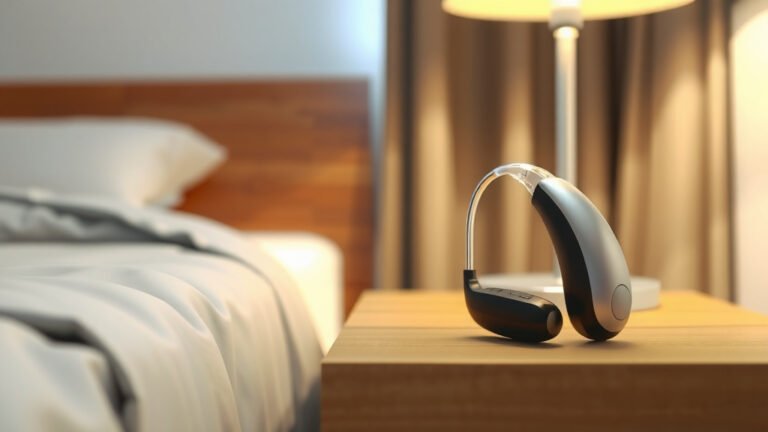
These sit behind your ear with a thin wire going into your ear canal. They’re easier to handle and have longer battery life.
Best for: People with arthritis or shaky hands. The larger size makes them easier to insert and remove.
Receiver-in-Canal Style
The speaker sits in your ear canal while the main device stays behind your ear. They offer excellent sound quality and comfort.
In-the-Ear Options
These fit entirely inside your ear. Smaller profile, but typically shorter battery life and fewer advanced features.
Many seniors find behind-the-ear styles more practical, even if they initially preferred the invisible look.
Connecting Your Hearing Aids to Different Devices
Most devices connect easily, but some work better than others. Here’s what I found works smoothly.
Smartphones and Tablets
iPhones connect directly to most hearing aids. Android phones usually need a small streaming device that clips to your shirt.
Once connected, you can answer calls by tapping your hearing aid. Your voice gets picked up by the hearing aid’s microphone.
Television and Streaming
TV streaming requires a separate transmitter box. You plug it into your TV’s audio output, and it sends sound to your hearing aids.
Setup takes about 10 minutes. Most people say it’s easier than programming a universal remote.
Smart Home Integration
Some hearing aids now work with Alexa or Google Assistant. You can ask questions and hear responses directly in your ears.
Cost and Insurance Coverage in 2026
Bluetooth hearing aids typically cost $2,000-$7,000 per pair. The price depends on features and brand, not just Bluetooth capability.
| Coverage Type | Typical Benefit | What to Know |
|---|---|---|
| Medicare | Limited coverage | Covers exams, not devices |
| Private Insurance | $500-$2,500 | Varies by plan |
| VA Benefits | Full coverage | For eligible veterans |
| HSA/FSA | Full cost | Pre-tax dollars |
Ways to Reduce Costs
Many audiologists offer payment plans. Some hearing aid manufacturers provide trade-in credits for old devices.
Costco and warehouse clubs sell quality Bluetooth hearing aids for 30-50% less than traditional retail prices.
Common Setup Challenges and Solutions
Most connection problems have simple fixes. Don’t let technology fears stop you from getting better hearing.
Pairing Problems
If your hearing aids won’t connect, try turning Bluetooth off and on again on your phone. Then restart your hearing aids.
Still not working? Delete the hearing aids from your phone’s Bluetooth list and start over. This fixes 90% of pairing issues.
Audio Quality Issues
Choppy or delayed sound usually means you’re too far from your phone. Bluetooth works best within 30 feet with no walls between devices.
Volume Balance
If streamed audio sounds too loud or quiet compared to regular hearing aid amplification, adjust the streaming volume separately in your hearing aid app.
Battery Drain
Bluetooth uses extra battery power. If you stream audio all day, expect 20-30% shorter battery life than normal hearing aid use.
Maintenance and Care Tips
Bluetooth hearing aids need the same basic care as regular hearing aids, plus a few extra steps.
Daily Cleaning
Wipe your hearing aids with a dry cloth each night. Remove earwax from speakers using the provided cleaning tool.
Don’t use water, alcohol, or cleaning sprays. These can damage the electronic components.
Charging Best Practices
Place hearing aids in their charger every night, even if the battery isn’t completely dead. This keeps them ready for tomorrow.
If you won’t use them for several days, store them in the charger but unplug the charging case.
Software Updates
Check your hearing aid app monthly for updates. New software often improves Bluetooth connectivity and adds features.
What to Expect During Your First Week
Getting used to Bluetooth hearing aids takes time. Your brain needs to adjust to both better hearing and new technology.
Days 1-3: Basic Adjustment
Focus on wearing the hearing aids consistently. Don’t worry about Bluetooth features yet. Let your ears adjust to amplified sound first.
Days 4-7: Trying Bluetooth
Start with phone calls. The direct audio streaming often surprises people with its clarity.
Try TV streaming next. Start at a comfortable volume and adjust from there.
Common First-Week Experiences
Your own voice might sound strange at first. This is normal and usually improves within two weeks.
Background sounds may seem loud initially. Your hearing aid app can help reduce this while you adjust.
Future Technology Coming Soon
Hearing aid technology improves rapidly. Here’s what experts expect in the next few years.
Artificial Intelligence Features
AI will automatically adjust settings based on your preferences and environments. The hearing aids learn what you like and adapt accordingly.
Health Monitoring
Some models already track physical activity and falls. Future versions may monitor heart rate and other health metrics (FDA research initiatives).
Conclusion
Bluetooth hearing aids represent a genuine leap forward in hearing assistance technology. They solve real problems that seniors face every day, from difficult phone calls to family TV time disagreements.
The technology isn’t perfect, and it does cost more than basic hearing aids. But for most people, the convenience and improved quality of life make the investment worthwhile.
Start by talking with an audiologist about your specific needs and lifestyle. They can demonstrate different models and help you find the right balance of features and budget.
Don’t let technology concerns hold you back. Modern Bluetooth hearing aids are designed with seniors in mind, and most people find them easier to use than expected.
How long do Bluetooth hearing aid batteries last compared to regular hearing aids?
Rechargeable Bluetooth hearing aids typically last 16-20 hours per charge with moderate streaming, compared to 20-24 hours for non-Bluetooth models. Disposable batteries last 3-5 days with Bluetooth use versus 5-7 days without streaming features.
Can I use Bluetooth hearing aids if I’m not comfortable with smartphones?
Yes, Bluetooth hearing aids work perfectly as regular hearing aids without any smartphone connection. You can always add phone features later when you feel ready, or ask family members to help with initial setup while using basic hearing functions daily.
What happens if my Bluetooth hearing aids lose connection during important calls?
The call automatically switches back to your phone’s regular speaker and microphone. You can continue the conversation normally while your hearing aids provide their regular amplification. Most people reconnect within 30 seconds by turning Bluetooth off and on.
Do Bluetooth hearing aids work with all TV brands and streaming services?
Bluetooth hearing aids work with any TV that has audio output jacks (almost all modern TVs). The streaming device connects to your TV, not specific streaming services, so Netflix, YouTube, cable, and DVD players all work equally well through the system.
Are there any health risks from having Bluetooth devices in my ears all day?
Research shows no health risks from Bluetooth hearing aids, which use much lower power levels than cell phones. The FDA regulates hearing aid safety standards, and Bluetooth hearing aids produce electromagnetic levels far below safety limits established by health organizations.