BTE Hearing Aids with Earmolds or Thin Tubes: How to Choose
A BTE hearing aid with an earmold sends sound through a shaped piece that fills the outer ear; a thin-tube style uses a narrow tube and small dome. Choose based on your hearing needs, ear shape, comfort, and how easily you can handle and care for each fitting.
On this page (14 sections)
- What is the difference between a BTE hearing aid with earmold and thin tube?
- Who should choose a BTE hearing aid with an earmold?
- When should you choose a thin tube and dome?
- How should hearing needs guide the fitting?
- What should you check before choosing a BTE earmold or thin tube?
- How do you set up and use a BTE fitting?
- How do you care for an earmold, tube or dome?
- What common BTE earmold mistakes should you avoid?
- Which products can help you compare BTE styles?
- How do you decide between an earmold and a thin tube?
- What is a hearing aid earmold?
- Can you replace a BTE earmold with a dome?
- How often should a hearing aid earmold be replaced?
- Does an earmold block the ear more than a thin tube?
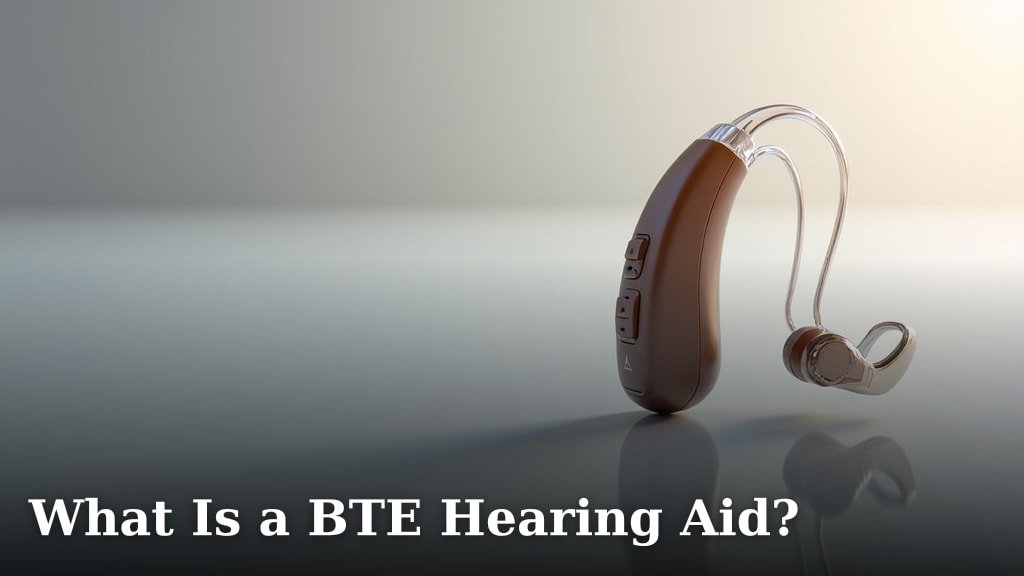
A BTE hearing aid with an earmold sends sound from a behind-the-ear device through tubing to a shaped piece that sits in the outer ear. For child-specific BTE fit and caregiver considerations, see BTE hearing aids for children.
A thin-tube fitting ends in a small dome, so the choice depends on how each option fits your ears, hearing needs and daily routine.
The difference affects more than appearance. You’ll need to insert, remove and care for the part in your ear.
It should also be compatible with the hearing aid itself. A hearing professional can help match the fitting to your hearing assessment and check how it sits.
If you’re new to this style, start with what a BTE hearing aid is. This guide explains the practical trade-offs, questions to ask and how to make a decision you can live with every day.
What is the difference between a BTE hearing aid with earmold and thin tube?
An earmold fills more of the outer ear and connects to the BTE unit through tubing; a thin tube ends in a small dome placed in the ear canal. For a comparison with rechargeable in-ear styles, see rechargeable ITE hearing aids.
The main difference is the part that sits in your ear, along with how it fits, feels and is handled.
| Fitting | What sits in the ear | What to consider |
|---|---|---|
| Earmold | A shaped piece that fills the outer ear | Fit, insertion, cleaning and how the ear feels when wearing it |
| Thin tube | A small dome connected to a narrow tube | Dome fit, tube handling and whether the style suits your hearing needs |
Both fittings connect to a device worn behind the ear, but the body, tubing and earpieces are not automatically interchangeable across models. Confirm compatibility before buying or changing parts.
The way your ear feels can also differ. A piece that fills more of the outer ear may feel more closed than a small dome, though individual comfort varies.
Tell the professional fitting your device if you feel pressure, soreness or a plugged sensation.
Who should choose a BTE hearing aid with an earmold?
An earmold may suit you if you want a shaped piece that sits securely in the outer ear or find a small dome difficult to place. Choose it when a hearing professional recommends it for your needs and you can insert and care for it comfortably.
An earmold can be made to fit your ear, and the fit may need adjustment if it feels uncomfortable or your ear changes. Ask what the process involves and how to tell when the mold is seated correctly.
A larger piece may be easier for some people to grasp than a small dome. But if you have trouble handling parts, don’t assume the mold will be easier: ask to practice inserting and removing it before you decide.
An earmold may be the wrong choice if it causes ongoing soreness, you dislike the more filled-in sensation, or the device you want does not support that fitting. A poor fit isn’t something to push through; request a check or ask about another compatible option.
During an appointment, ask:
- Does this hearing aid support an earmold, and does it need to be custom made?
- How do I insert and remove it without discomfort?
- What should I do if it feels loose, sore or blocked?
- How should I clean and dry the mold and tubing?
- How often should I have the fit checked?
If you’re comparing BTE devices, our guide to best behind-the-ear hearing aids can help you review the style. The right earpiece still depends on the specific model and your needs.
When should you choose a thin tube and dome?
A thin tube and dome may suit you if you prefer a smaller part in your ear and can handle it comfortably. Choose this style when the dome fits securely, the device supports it and it suits your hearing needs.
Dome size and shape affect how the earpiece sits. A small dome is not automatically more comfortable, and a poor fit can make the device feel loose or irritating.
Consider dexterity and vision as well as comfort. Thin tubes and small domes may be harder to grasp, position and inspect.
If handling them is difficult, ask whether you can practice with the fitting or whether another option would be more manageable.
Don’t switch from an earmold to a dome just because the dome looks smaller. Ask a hearing professional to confirm that the device supports the change and that the new fitting suits your needs.
How should hearing needs guide the fitting?
Your hearing assessment and professional fitting advice should guide the choice between an earmold and a thin tube. Comfort is essential, but it doesn’t show by itself whether a fitting meets your hearing needs.
Ask the professional to explain why they recommend a particular style for your hearing results. You should understand how the fitting works with the device and whom to contact if the sound or fit needs attention.
A fitting that feels comfortable at first may need a check if you notice soreness, feedback or a change in how it sits. Don’t bend tubing or swap fitting parts without confirming they are right for your specific device.
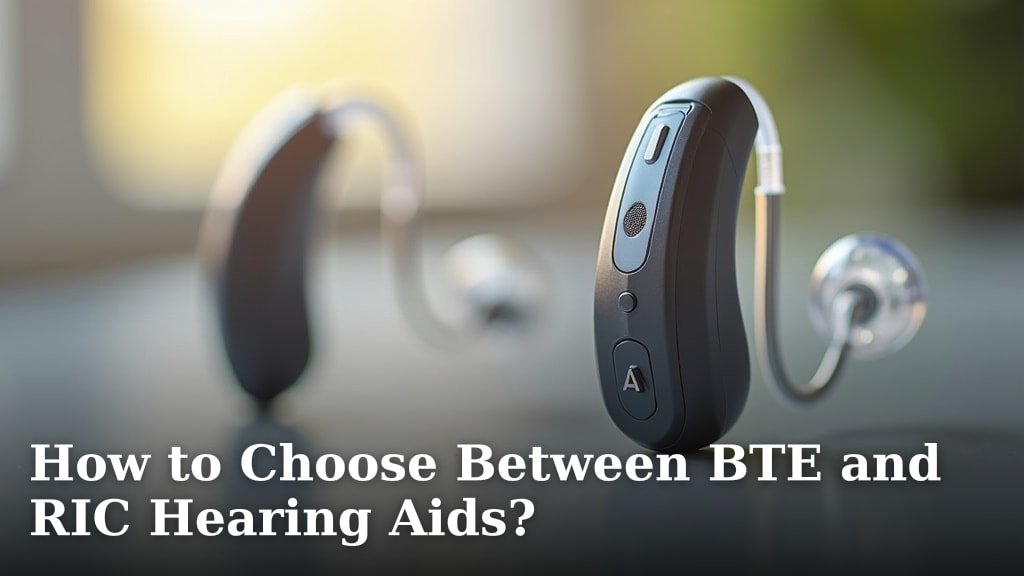
The behind-the-ear style is also different from receiver-in-canal. If you’re weighing those device types, read how to choose between BTE and RIC hearing aids.
What should you check before choosing a BTE earmold or thin tube?
Check compatibility, fit, handling and care before settling on a fitting. A little practice at your appointment can reveal practical problems before you bring a device home.
- Compatibility: Confirm which earmolds, tubes and domes work with the exact hearing aid model.
- Fit: Have a professional check the placement and explain what a secure fit should feel like.
- Handling: Practice inserting and removing the part with guidance. Make sure you can repeat the steps comfortably.
- Care: Ask how to clean and dry the fitting, which tools to use, and what to do if sound becomes weak.
- Follow-up: Find out whom to contact if the fitting hurts, feels loose or stops working as expected.
For thin-tube care, see how to clean BTE hearing aid tubes. For a closer look at the shaped piece itself, read what a hearing aid earmold is.
How do you set up and use a BTE fitting?
Set up a BTE hearing aid by confirming that its earpiece and tubing match the device, then learning the fit and care steps for that exact model. Follow the device instructions and your hearing professional’s guidance before wearing it for a full day.
Start with clean, dry hands and a well-lit place. Check that the tube is attached as directed, then position the BTE behind your ear.
Insert the earmold or dome gently. Don’t force an earpiece that catches, hurts or seems to sit incorrectly.
Practice removing it the way you were shown. Pulling on the tube can loosen or damage the connection, so use the part designed for handling, if the device has one.
If the sound is weak or you hear feedback, first check whether the earpiece is seated and whether wax or moisture may be blocking the sound path. Don’t turn the volume up to compensate for a blockage.
Follow the cleaning instructions and contact your professional if the issue continues.
How do you care for an earmold, tube or dome?
Keep the earpiece clean and dry, and follow the instructions for the specific device. The hearing aid body should stay dry while you clean the parts that detach.
After use, inspect the earpiece and tubing for visible wax or moisture. Use only the recommended brush or cleaning method, and don’t put water or cleaning liquid near the hearing aid body.
If your earmold detaches, remove and clean it only as instructed. Let cleaned parts dry fully before reconnecting them.
A thin tube or dome may need a different method, so don’t apply earmold cleaning steps to every fitting.
Ask how often to replace worn tubing, domes or molds. A part that is cracked, stretched, blocked or no longer fits well deserves attention; avoid trying to repair it with household glue or sharp tools.
What common BTE earmold mistakes should you avoid?
The most common mistakes are choosing a fitting by appearance, forcing an uncomfortable earpiece and changing compatible parts without checking. A correct fit and safe handling matter more than choosing the smallest or simplest-looking option.
Avoid these shortcuts:
- Assuming every BTE accepts every fitting: Compatibility varies by device.
- Forcing a mold or dome into place: Stop if it hurts or won’t seat as shown.
- Pulling on tubing to remove the earpiece: Use the method taught for that fitting.
- Cleaning the hearing aid body with water: Keep moisture away from the electronic unit.
- Increasing volume to fix muffled sound: Check for a blocked sound path and seek help if cleaning does not solve it.
- Ignoring a changing fit: A mold that becomes loose or sore needs a professional check.
If discomfort persists, remove the device and ask for guidance. Pain, irritation or repeated feedback can signal that the fit or setup needs attention.
Which products can help you compare BTE styles?
These products show different behind-the-ear or related features you can compare with a hearing professional. None replaces advice on whether an earmold or dome suits your ears and hearing needs.
EarCentric EasyCharge is a behind-the-ear model that includes regular and long tubes, multiple ear domes, a desktop charger and a portable charging case. It suits someone who wants rechargeable BTE devices and included dome options to discuss.
Its listed design is for adults with mild-to-moderate hearing loss, so ask whether the device and fitting match your needs.
ELEHEAR Beyond has 9 dome sizes, app controls for volume, frequency, sound directionality and environment profiles, and four scene modes. It suits someone who wants app adjustments and several dome sizes to consider.
Skip it if you prefer physical-only controls or need an earmold fitting rather than its dome design.
Yeasound RIC800 is a receiver-in-canal model, not a traditional BTE with an earmold. It suits someone comparing wireless streaming and tactile controls in a RIC design; skip it if your priority is a conventional earmold fitting.
If phone connectivity matters alongside fit, compare BTE hearing aids with Bluetooth with the options your hearing professional recommends.
How do you decide between an earmold and a thin tube?
Choose the fitting that meets your hearing needs and that you can wear, insert and care for comfortably. Pick an earmold if a professional recommends its shaped fit and you can manage it; pick a thin tube and dome if that option is compatible and feels easier for you.
If an earmold feels uncomfortable, loose or difficult to handle, ask about an adjustment or another suitable fitting. If a thin tube or dome is hard to insert or keep in place, ask for help choosing and fitting the right parts.
Before you buy, confirm the device supports the fitting you want and learn how to clean it. If you’re not sure which style matches your hearing needs, arrange a hearing assessment and bring these questions to the appointment.
What is a hearing aid earmold?
A hearing aid earmold is a shaped piece that sits in the outer ear and carries sound from a BTE hearing aid through tubing. It may be custom made to match your ear, and a hearing professional can check its fit and explain how to care for it.
Can you replace a BTE earmold with a dome?
Only if the specific hearing aid supports that fitting and a hearing professional confirms it suits your needs. Earmolds, tubes and domes are not automatically interchangeable, so check compatibility before changing parts.
How often should a hearing aid earmold be replaced?
Replacement timing depends on the material, wear and fit. Ask your hearing professional how often to have it checked and replaced; contact them sooner if it becomes uncomfortable, damaged, loose or difficult to clean.
Does an earmold block the ear more than a thin tube?
An earmold fills more of the outer ear, so it may feel more closed than a thin-tube dome. The sensation varies by person and fitting; tell your hearing professional if you notice pressure or discomfort so they can check the fit.
The best BTE hearing aid with earmold or thin tube is the one that fits your hearing needs and feels manageable in daily use. Choose an earmold if its shaped fit works for you, or ask about a thin tube and dome if that style is more comfortable and compatible.
Frequently asked questions
Is an earmold or thin tube better for a BTE hearing aid?
Neither style is best for everyone. An earmold fills more of the outer ear and connects to the BTE with tubing, while a thin tube ends in a small dome.
Your hearing needs, ear shape, comfort and ability to manage the parts all matter.
Ask a hearing professional to explain which option fits your hearing assessment and how to maintain it.
Can I use a thin tube if I have a BTE hearing aid?
Some BTE models use a thin tube with a small dome, while others are designed for an earmold. Check the device's compatible fitting options and ask a hearing professional before changing the tube, dome or mold, since the parts must fit the device and your ear.
Do BTE hearing aids with earmolds need cleaning?
Yes. Clean and dry the earmold and tubing as directed for your device.
Keep water away from the hearing aid body. Remove the mold only as instructed, since tubing and connectors vary by model.
Ask your hearing professional which tools to use and when to replace worn parts.
Can an earmold make a BTE hearing aid more comfortable?
A well-fitted earmold may feel secure, but comfort depends on your ear and the mold's shape and fit. If it hurts, causes irritation or feels loose, ask for an adjustment instead of forcing it into place.
A professional can also discuss whether a dome or another fitting may suit you.