What Is a Hearing Aid Ear Mold?
On this page (8 sections)
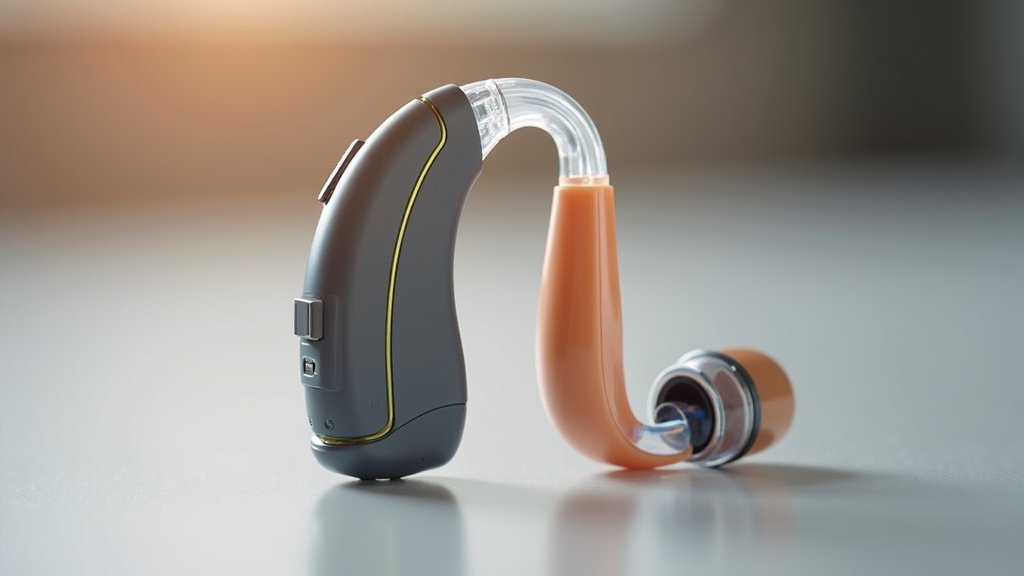
A hearing aid ear mold is a custom-fitted piece that connects to your hearing aid. For related guidance, see Why My Hearing Aid Hurt. It helps direct sound into your ear canal. It also ensures a comfortable and secure fit for your hearing device. Think of it as the final, vital piece of the hearing aid puzzle.
These molds are essential for effective hearing correction. They can come in various styles and materials. This helps them work with different types of hearing loss and personal preferences. Getting the right ear mold can make a big difference in how well your hearing aid performs. It ensures you get the clearest sound possible.
- Ear molds are custom-made for your ear.
- They connect your hearing aid to your ear canal.
- They help improve sound quality and hearing aid fit.
- Different styles and materials are available.
- A good mold is key to hearing aid success.
Let’s walk through what makes an ear mold so important for your hearing aid experience and the different types you might encounter.
Understanding Your Hearing Aid Ear Mold
So, what exactly is a hearing aid ear mold? It’s that custom-shaped piece that connects your hearing aid to your ear canal. Think of it as the little engineer ensuring sound gets where it needs to go. It’s not just about comfort; it plays a huge role in how well your hearing aids actually work. Many people don’t realize how important this small part is. It’s designed to fit snugly and comfortably in your ear. This ensures a secure connection for your hearing device.
The primary job of an ear mold is to channel sound directly from your hearing aid into your ear. This is especially important for certain types of hearing loss. It helps to prevent sound from escaping. It also works to block out unwanted background noise. This results in a clearer, more focused listening experience for you. It’s like having a personal sound delivery system right in your ear. Without a proper fit, sound can leak, causing feedback or reduced effectiveness.
The Role of the Ear Mold in Sound Delivery
Your hearing aid picks up sounds, but the ear mold directs them. For people with moderate to severe hearing loss, this directed sound is essential. It means the sound waves can reach the inner ear with minimal loss or distortion. For those with milder loss, it helps to reduce listening effort. You won’t have to strain as much to hear conversations. We found that a well-made mold can make a significant difference in daily communication. It’s about getting the most natural sound possible.
The shape of the mold is designed to create a seal within your ear canal. This seal is key to its function. It stops sound from leaking out. It also prevents feedback, that annoying whistling sound. When sound leaks out, it can re-enter the hearing aid’s microphone. This causes the feedback. A good mold eliminates this. It ensures the amplified sound is delivered precisely where it’s needed (National Institute on Deafness and Other Communication Disorders). A good mold eliminates the annoying whistling sound that can occur when sound leaks out.
This careful channeling also helps manage the directionality of sound. Your hearing aid might have different microphones that pick up sounds from various directions. The ear mold helps guide these sounds in a way that’s most beneficial for your hearing needs. It’s a sophisticated process working behind the scenes.
Why a Custom Fit Matters So Much
One size does not fit all when it comes to ears. For related guidance, see Why My Hearing Aids Itch. That’s why ear molds are custom-made. They are created from an impression of your unique ear canal and outer ear. This ensures a perfect, comfortable fit. An ill-fitting mold can be uncomfortable. It might even cause irritation or pain. It also won’t function as effectively. We found that comfort and fit go hand-in-hand for successful hearing aid use.
The process starts with your audiologist. They will take an impression of your ear. This is usually done with a special soft material. It captures the exact contours of your ear. This impression is then sent to a lab. The lab uses it to craft your custom ear mold. This precision is what makes them so effective. It’s a bit like getting a custom-tailored suit; it’s made just for you.
Comfort is King
Let’s be honest, if something hurts, you’re not going to wear it. Ear molds are designed to be worn for extended periods. A custom fit means the mold will feel natural and comfortable. It won’t press uncomfortably against sensitive parts of your ear. This is particularly important for individuals with very small or unusually shaped ear canals. We found that comfort is often the biggest factor in user satisfaction.
The materials used can also affect comfort. Soft, pliable materials are often preferred for a snugger, more comfortable fit. Harder materials might be used for durability or specific acoustic needs. Your audiologist will discuss these options with you. They will choose what’s best for your lifestyle and ear anatomy.
Ensuring a Secure Hearing Aid Connection
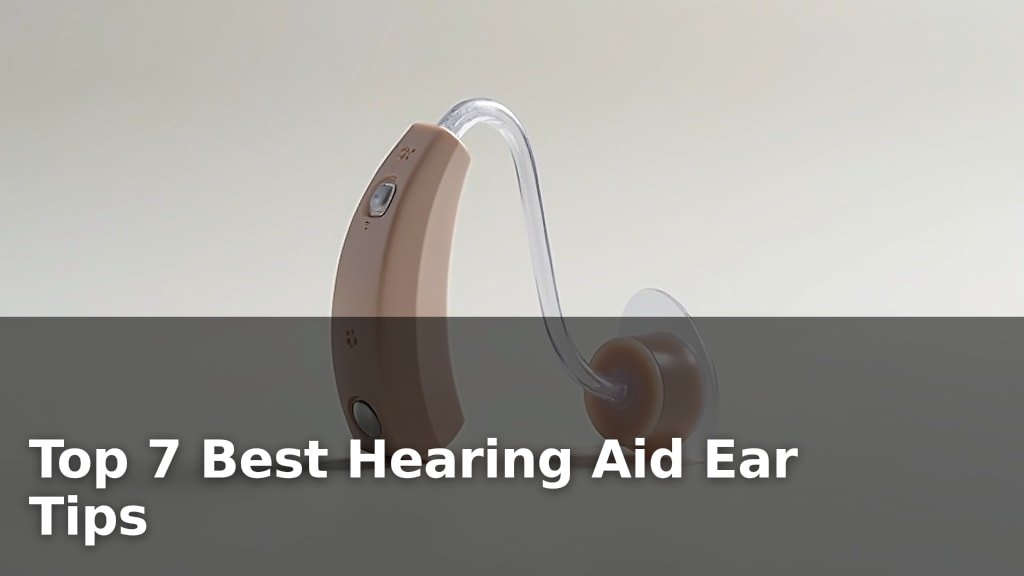
An ear mold helps to secure your hearing aid in place. For another retention option, see our guide to hearing aid ear hooks. This is especially true for behind-the-ear (BTE) hearing aids. The mold connects to the tubing that runs from the hearing aid. It sits snugly in your ear. This prevents the hearing aid from slipping out, even during active moments. You won’t have to worry about it falling out when you’re exercising or just moving around. This security builds confidence.
For those who are very active, a secure fit is non-negotiable. Whether you’re gardening, playing with grandkids, or participating in sports, you need your hearing aid to stay put. The custom nature of the ear mold ensures it grips gently but firmly. It’s a small but mighty piece of engineering.
Types of Hearing Aid Ear Molds
You might be surprised to learn there isn’t just one kind of ear mold. They come in various shapes, sizes, and materials. The best type for you depends on your hearing loss, lifestyle, and ear canal shape. Your audiologist is your best guide in choosing. They will assess your needs carefully. We found that understanding the options helps you make an informed decision.
Understanding Different Styles
Here’s a look at some common ear mold styles:
- Full Shell: This mold fills the entire bowl of the ear. It offers the most occlusion (blocking of the ear canal). It’s often used for severe to profound hearing loss.
- Half Shell: As the name suggests, it fills only half the bowl of the ear. It offers less occlusion than a full shell. It’s suitable for moderate hearing loss.
- Canal Lock: This style fits into the ear canal itself. It has a small wing that locks it into place. It’s good for mild to moderate loss. It offers a discreet look.
- Skeleton: This is a very open style, often with a hollow center. It allows for maximum natural sound to enter the ear. It’s best for mild hearing loss and to minimize the feeling of being plugged up.
- Receiver-in-Canal (RIC) Domes: While not technically a custom ear mold in the same way, RIC hearing aids use small, soft domes that sit at the entrance of the ear canal. They come in different sizes and open or closed styles. They offer a balance of comfort and sound delivery for mild to moderate hearing loss.
Materials Matter for Performance and Comfort
The material of your ear mold impacts its durability, flexibility, and how it interacts with sound. Here are some common choices:
- Acrylic: This is a hard material. It’s very durable and easy to clean. It’s often used for more severe hearing losses where a firm fit is needed. It can sometimes feel less comfortable for long-term wear for some.
- Silicone: This is a softer, more flexible material. It’s generally very comfortable and offers a good seal. It’s a popular choice for many users. It can be a good option for those with allergies.
- Vinyl/Softer Plastics: These offer a balance between hard and soft materials. They are comfortable and durable. They are often used for moderate hearing losses.
- Soft Silicone/Flexible Materials: These are the most comfortable options. They are ideal for sensitive ears or those who need a very snug fit without pressure. They are great for active individuals.
We found that the choice of material is often a discussion between you and your audiologist. They consider your skin sensitivity, the degree of your hearing loss, and your personal preferences. The goal is always to find the best combination of comfort, fit, and acoustic performance for your specific needs. For instance, many experts suggest softer materials for individuals prone to ear irritation (Cleveland Clinic).
The Ear Impression Process: How It’s Done
Getting a custom ear mold starts with a precise impression of your ear. This is a critical step. The accuracy of the impression directly affects the final fit and function of your ear mold. It’s a quick and painless procedure.
What to Expect During an Ear Impression Appointment
When you visit your audiologist for an ear mold impression, here’s generally what happens:
- Preparation: Your audiologist will first examine your ear canal to ensure it’s clear and healthy. They might use a small otoscope for this.
- Protection: They will place a small foam or cotton block deep into your ear canal. This acts as a barrier. It prevents the impression material from going too far. It also protects your eardrum.
- Injecting Material: A special, soft material is then carefully injected into your ear canal. It flows around the cotton block and fills the shape of your ear.
- Curing: The material hardens within a few minutes. This captures the exact shape of your ear. It’s a bit like taking a 3D mold of your ear.
- Removal: Once hardened, the audiologist gently removes the impression from your ear. It should come out cleanly.
This impression is then sent to a specialized laboratory. There, skilled technicians use it to create your custom-made ear mold. The entire process usually takes only about 10-15 minutes. We found that many patients express surprise at how simple and comfortable it is.
Caring for Your Ear Molds
Just like your hearing aids, your ear molds need regular care to function properly and last. Proper cleaning prevents wax buildup. It also stops debris from affecting sound quality. Your ear molds need regular care to function properly and last, as discussed in our guide to deep cleaning.
Daily Cleaning Tips
A simple daily cleaning routine is usually sufficient. Here’s what we recommend:
- Wipe them down: Use a soft, dry cloth to wipe your ear molds daily. This removes surface moisture and any loose debris.
- Use a damp cloth: For a more thorough clean, slightly dampen a soft cloth with water. Gently wipe the mold. Avoid using harsh soaps or chemicals.
- Dry thoroughly: Ensure the ear molds are completely dry before reattaching them to your hearing aids. Moisture can damage hearing aid components.
When to Seek Professional Cleaning or Replacement
You should have your ear molds professionally cleaned periodically by your audiologist. They have special tools and solutions for a deep clean. You should also consider replacement if:
- They become discolored or brittle.
- They develop cracks or splits.
- Your hearing aid seems to be whistling or feedback is occurring frequently, even after adjustments.
- Your ear shape has changed slightly over time.
We found that many audiologists recommend a check-up and cleaning every 6-12 months. This ensures optimal performance and comfort. Replacing worn-out molds is important for both your hearing and comfort.
Ear Molds vs. Hearing Aid Domes
It’s important to distinguish between custom ear molds and the small domes used with some hearing aids, particularly Receiver-in-Canal (RIC) or mini-BTE models. For related guidance, see Hearing Aid Domes Custom Molds. While both deliver sound, they are quite different.
| Feature | Custom Ear Mold | Hearing Aid Dome |
|---|---|---|
| Fit | Custom-made from an ear impression. Perfect, snug fit. | Standard sizes (S, M, L), fits into the ear canal opening. |
| Material | Acrylic, Silicone, Vinyl, etc. (harder or softer). | Soft silicone or thermoplastic elastomer. |
| Purpose | Essential for moderate to profound hearing loss. Manages feedback. Optimizes acoustics. | Best for mild to moderate hearing loss. Offers open or closed options. |
| Comfort | Generally very comfortable due to custom fit. | Comfortable for many, but can sometimes cause irritation. |
| Cost | Higher cost due to custom manufacturing. | Lower cost, easily replaceable. |
| Durability | Can last several years with proper care. | Needs replacement every 3-6 months. |
As you can see, they serve different purposes and are suited for different needs. Custom ear molds offer a more personalized and powerful solution for many hearing loss profiles. Domes are a convenient option for milder losses where extensive acoustic modification isn’t required.
Conclusion
Your hearing aid ear mold is more than just an accessory; it’s a critical component for optimal hearing. We’ve seen how its custom fit ensures comfort and security. It also plays a vital role in directing sound precisely where you need it. A well-chosen and properly cared-for ear mold significantly enhances your hearing aid’s performance. It helps reduce listening effort and eliminates annoying feedback. If you haven’t already, schedule a consultation with your audiologist. They can help you understand your options and ensure you have the perfect mold for your unique needs.
Frequently Asked Questions
How often should I replace my hearing aid ear molds?
You should typically replace your custom ear molds every 5-7 years, or sooner if they show signs of wear. Damage like cracks or discoloration can affect their fit and sound delivery. Your audiologist can advise on the best replacement schedule for you.
Can I clean my ear molds with rubbing alcohol?
No, you should avoid using rubbing alcohol or harsh chemicals to clean your ear molds. These can damage the materials, making them brittle or discolored. Stick to a soft, damp cloth or specialized ear mold cleaning solutions recommended by your audiologist.
What happens if my ear mold doesn’t fit properly?
An ill-fitting ear mold can cause discomfort, pain, and irritation. It may also lead to whistling feedback or reduced hearing aid effectiveness. A poor fit means sound can leak out, diminishing the clarity of what you hear.
Are ear molds necessary for all types of hearing aids?
Not all hearing aids require custom ear molds. Receiver-in-Canal (RIC) and some mini-BTE models often use small, standardized domes. However, for moderate to profound hearing loss, custom ear molds are usually essential for proper sound delivery and feedback control.
Can ear molds help with tinnitus?
While ear molds are primarily designed to improve hearing and deliver sound, a proper fit can sometimes indirectly help with tinnitus. By providing clearer sound and reducing listening strain, they might make tinnitus less noticeable for some individuals. However, they are not a direct treatment for tinnitus itself.