Why Does My Hearing Aid Hurt My Ear?
On this page (4 sections)
Your hearing aid hurting your ear is usually a sign of a poor fit or a need for adjustment. It’s not normal for hearing aids to cause pain. Often, a simple fix can make a big difference in your comfort. Let’s figure out why it’s happening and how to make it stop.
It’s a common concern, and we understand how uncomfortable ear pain from hearing aids can be. There are several reasons why this might occur, ranging from the physical shape of the device to minor skin irritations. Finding the right solution often involves understanding these common causes. We’ve looked into what experts recommend to resolve this.
- Hearing aids shouldn’t hurt.
- Pain often means a bad fit or need for adjustment.
- Check for wax buildup or skin irritation.
- Your audiologist can help fix the problem.
Let’s walk through the most common reasons your hearing aid might be causing discomfort and what you can do about it.
Troubleshooting Hearing Aid Ear Discomfort
It’s frustrating when your hearing aids cause pain. You rely on them for better hearing, not for added discomfort. Fortunately, most hearing aid pain is fixable. Let’s explore the common culprits and how to find relief.
Common Reasons for Hearing Aid Ear Pain
The Importance of a Proper Fit
The most frequent reason for discomfort is a poor fit. Your hearing aid needs to sit snugly in your ear canal or behind your ear. If it’s too large, too small, or not positioned correctly, it can press on sensitive areas. This pressure can lead to soreness or even a dull ache over time.
Ear Domes and Eartips
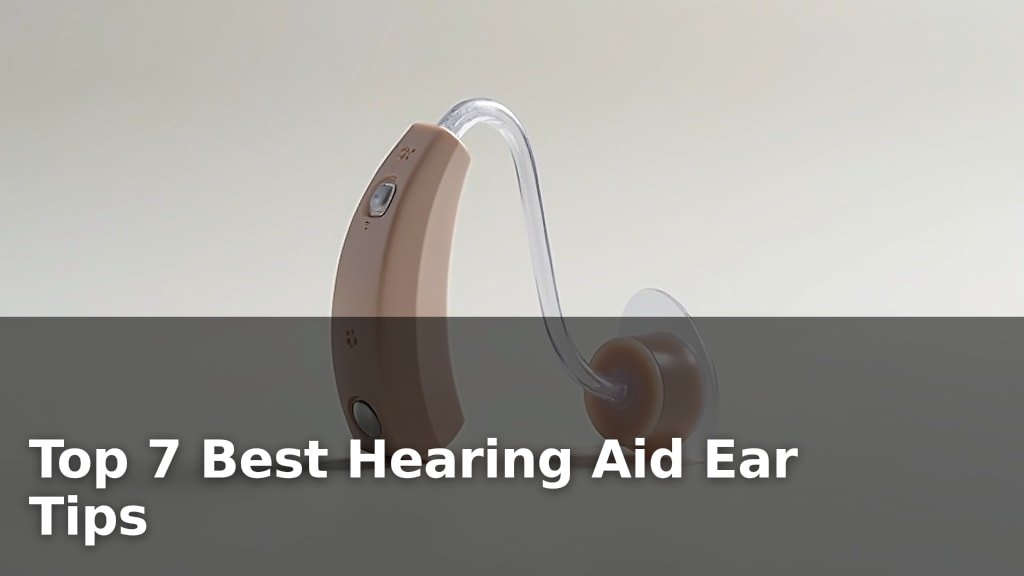
For in-the-ear or receiver-in-canal hearing aids, the small silicone or foam tip (called a dome or eartip) is crucial. If the dome is the wrong size, it can feel like a plug that’s too big. It might push too hard against your ear canal walls. Research indicates that finding the right size and type of dome is key to comfort (CDC).
Foam tips can be softer but might irritate some ears. Silicone tips come in various sizes and shapes. Your audiologist can help you try different ones. They’ll ensure a comfortable and secure seal without unnecessary pressure.
Custom Earmolds
For more severe hearing loss or specific ear shapes, custom earmolds are often used. These are made from an impression of your ear. If the impression wasn’t accurate or the earmold was manufactured incorrectly, it won’t fit perfectly. A slightly off angle or an uneven surface can cause irritation. Your audiologist will check the earmold for any rough spots or improper seating.
Skin Irritation and Sensitivity
Your ears are sensitive, and sometimes hearing aids can cause skin irritation. This isn’t always about the fit but more about how your skin reacts to the device or something it carries.
Allergic Reactions
While uncommon, some individuals can develop an allergy to the materials used in hearing aids. This could be the plastic, acrylic, or even the coatings. Symptoms might include redness, itching or a rash. If you notice these signs, it’s important to consult your audiologist. They can help identify the offending material and find an alternative. Many manufacturers offer hypoallergenic options.
Sweat and Moisture Buildup
Your ears naturally produce sweat. When hearing aids are worn for long periods, especially during physical activity or in warm weather, moisture can get trapped. This can lead to skin breakdown and discomfort. It can also create a breeding ground for bacteria, potentially causing infections. Keeping your hearing aids and ears clean and dry is essential.
Friction and Chafing
Even with a good fit, constant friction can occur. If the hearing aid rubs against your skin repeatedly, it can cause chafing. This is especially true for behind-the-ear models where the tubing or wire might irritate the back of your ear. A slight adjustment in how the hearing aid rests can often resolve this.
Earwax Management Issues
Earwax is a natural part of ear health, but it can become a problem when you wear hearing aids.
Excessive Earwax Blockage
Hearing aids can sometimes encourage earwax to build up. The device can push wax deeper into the ear canal or prevent it from naturally migrating out. When wax accumulates, it can press against the ear canal or the hearing aid itself. This pressure can cause pain and also affect your hearing aid’s performance. You might notice a muffled sound or feedback.
It’s important not to try to remove impacted earwax yourself with cotton swabs, as this can worsen the problem (Mayo Clinic). Your audiologist can safely remove excess wax.
Hearing Aid Blockage
Earwax can also clog the tiny ports or receivers of your hearing aid. This blockage impedes sound. It can also sometimes create a feeling of fullness or pressure in the ear. Regularly cleaning your hearing aid’s wax guards is a vital part of maintenance.
Infections and Underlying Conditions
In some cases, hearing aid pain might signal an underlying issue like an ear infection or a skin condition.
Ear Infections (Otitis Externa)
An infected ear canal is extremely sensitive. If your ear is already inflamed or infected, inserting a hearing aid can be very painful. Symptoms of an infection include pain, redness, swelling, and sometimes discharge. If you suspect an infection, remove your hearing aid and see a doctor immediately. You may need antibiotic drops to clear it up.
Skin Conditions
Conditions like eczema or psoriasis can affect the skin in and around your ear canal. Wearing a hearing aid in an area with a flare-up can cause significant discomfort. Managing the skin condition with a dermatologist’s help is crucial. Your audiologist might also suggest different hearing aid materials or coatings.
How to Find Relief and Solutions
Don’t let ear pain keep you from enjoying your improved hearing. Here are steps you can take to find relief:
Schedule a Hearing Aid Adjustment
Your audiologist is your best resource. They can:
- Check the fit of your domes or earmolds.
- Refine the shape of custom earmolds if needed.
- Inspect your ear canals for wax or irritation.
- Recommend different dome materials or sizes.
- Adjust the hearing aid’s position behind your ear.
Many adjustments are quick and can be done during a routine appointment. This is often the fastest way to resolve fit-related pain.
Practice Good Hygiene and Cleaning Habits
Keeping both your ears and your hearing aids clean is paramount.
- Daily Cleaning: Wipe down your hearing aids with a soft, dry cloth. Use a brush to clean out any wax from receivers or vents.
- Earmold/Dome Cleaning: Wash removable domes and earmolds with mild soap and water (if recommended by your audiologist). Dry them completely before reattaching.
- Ear Care: Avoid using cotton swabs deep in your ear canal. If you have excessive wax, ask your audiologist for safe removal methods.
- Drying: Use a hearing aid dehumidifier or drying capsule overnight to remove moisture.
Consider Different Hearing Aid Styles or Accessories
If you’ve tried adjustments and cleaning and still experience pain, it might be time to discuss other options. This could include:
- A different type of hearing aid (e.g., a smaller device, or one that sits entirely in the ear canal).
- Custom-designed earmolds made with softer materials.
- Specialized coatings for earmolds that reduce friction.
Your Action Plan Checklist
Feeling pain? Take these steps:
- Contact your audiologist for a fitting adjustment.
- Inspect ear domes/eartips for wear or improper size.
- Clean your hearing aids thoroughly daily.
- Check your ears for redness, swelling, or excessive wax.
- Ensure ears and hearing aids are dry.
- Note when the pain occurs (e.g., after wearing for hours, during activity).
By systematically addressing these points, you and your audiologist can pinpoint the cause of your discomfort. You deserve to wear your hearing aids comfortably!
Conclusion
Your hearing aids should enhance your life, not cause discomfort. We’ve seen that pain from your hearing aids is rarely a mystery; it’s usually tied to fit, hygiene, or minor irritations. The good news is that most issues are fixable with a simple adjustment or a change in your routine. Don’t let discomfort hold you back from clear hearing. Your audiologist is your partner in comfort and hearing success.
Your next step is clear: schedule an appointment with your audiologist. They can help you find the perfect fit and ensure your hearing aids feel as good as they sound. You deserve to enjoy every word without pain.
Frequently Asked Questions
How often should I have my hearing aid fit checked?
It’s a good idea to have your hearing aid fit checked by your audiologist at least once a year. However, if you notice any new discomfort or pain, you should contact them sooner. Changes in your ear shape or swelling can happen unexpectedly.
Can I wear my hearing aids if my ears hurt?
While it’s tempting to push through the pain, it’s generally not recommended to wear your hearing aids if your ears are hurting. This pain is a signal that something is wrong. Continuing to wear them could worsen the irritation or lead to further issues like infection.
What’s the best way to clean my hearing aid domes?
Most removable domes can be cleaned with a soft cloth and mild soap and water, but always check your audiologist’s specific recommendation. Make sure they are completely dry before reattaching them to your hearing aid. This prevents moisture buildup and potential irritation.
What if I suspect an allergic reaction to my hearing aid?
If you experience redness, itching, or a rash where your hearing aid touches your skin, contact your audiologist immediately. They can help determine if it’s an allergic reaction and explore hypoallergenic material options or alternative hearing aid styles for you.
Can earwax cause pain with hearing aids?
Yes, earwax can definitely cause pain. If wax builds up and presses against your ear canal or the hearing aid itself, it can create pressure and discomfort. It can also block the hearing aid’s sound ports, affecting performance. Regular cleaning and professional wax removal can prevent this.