
Why Does My Hearing Aid Battery Die So Fast?

Your hearing aid battery dies fast because of several common reasons. Factors like the type of hearing aid, your listening environment, and even the age of the battery all play a role. We found that most people experience shorter battery life than expected.
You might wonder why your batteries seem to drain so quickly. It’s frustrating when you need clear sound and your device gives out. Understanding these factors can help you extend battery life and avoid unexpected power loss. We want your hearing aids to work when you need them most.
TL;DR:
- Hearing aid type impacts battery drain.
- Noisy environments use more power.
- Older batteries lose charge faster.
- Streaming audio consumes significant energy.
- Proper storage can prolong battery life.
Let’s look into the common culprits behind a short hearing aid battery life and what you can do about them.
Why Your Hearing Aid Batteries Deplete Quickly
It’s frustrating when your hearing aid battery dies unexpectedly. We understand you rely on them for clear sound. Let’s break down the main reasons your batteries might not last as long as you’d like. Understanding these factors is the first step to better battery life.
You might think all batteries are the same, but that’s not true for hearing aids. The type of device you have plays a big role. Modern hearing aids pack a lot of technology into a small space, and all that tech needs power.
Hearing Aid Style and Technology
Different hearing aid styles consume power at different rates. Smaller devices, like completely-in-canal (CIC) or invisible-in-canal (IIC) models, often use smaller batteries. These smaller batteries naturally have less power capacity. Think of it like comparing a tiny watch battery to a larger flashlight battery. The flashlight battery will always last longer.
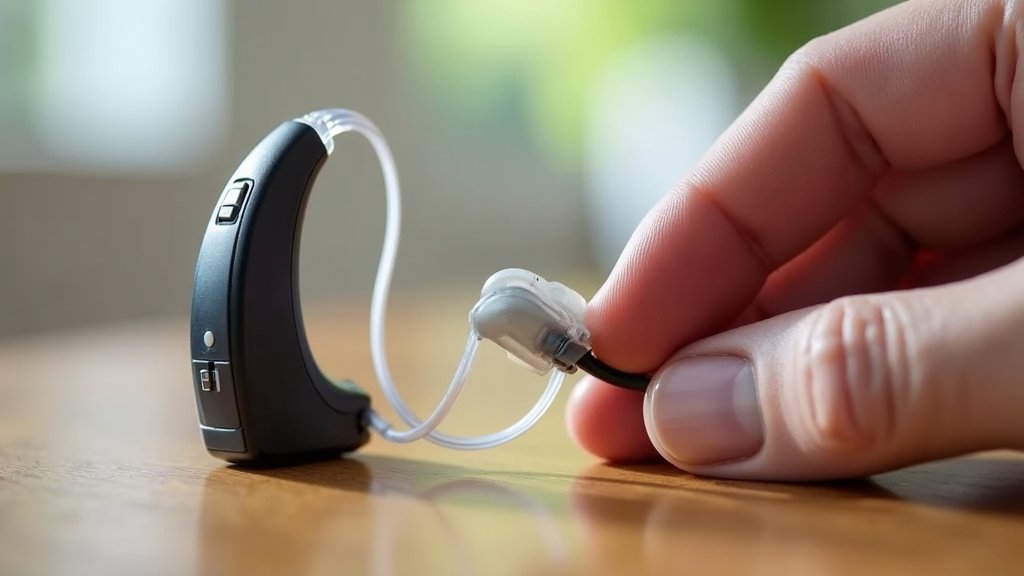
Behind-the-ear (BTE) and receiver-in-canal (RIC) hearing aids usually have more space for larger batteries. This means they can often provide longer listening times. However, they also house more advanced features that can draw more power.
Digital vs. Analog Features
Modern digital hearing aids offer incredible sound processing. They can filter out noise and amplify speech with great precision. But this digital wizardry requires significant energy. Older analog models, while simpler, often had slightly better battery life because they did less “thinking.” It’s a trade-off between advanced features and battery drain.
The more features your hearing aid has, the more power it needs. Things like noise reduction, directional microphones, and automatic environment adjustments are wonderful. But they constantly draw power. You’re effectively running a tiny computer in your ear, and computers need a lot of electricity.
Usage Habits and Listening Environment
How you use your hearing aids and where you use them greatly impacts battery life. Just like your phone battery drains faster when you’re constantly on it, the same goes for your hearing aids. Your daily activities directly influence how quickly those tiny batteries run down.
Are you in quiet environments or noisy ones? Do you stream a lot of audio? These factors matter a lot. We found that most people don’t realize the extent of this impact.
Streaming Audio and Connectivity
If your hearing aids connect to your phone or other devices, you’re using more battery. Bluetooth streaming for phone calls, music, or podcasts is a big power draw. It’s convenient, yes, but it consumes significant energy. This is similar to how streaming video drains your phone battery faster than just reading an email.
Many modern hearing aids also offer direct streaming from TVs or other media devices. While fantastic for clarity, these features keep the wireless radio active. An always-on wireless connection is a known battery drainer (National Institutes of Health).
Noise Levels and Sound Processing
Your hearing aids work harder in noisy environments. When there’s a lot of background noise, your device’s sophisticated processing kicks in. It tries to identify and reduce unwanted sounds while amplifying the speech you want to hear. This constant analysis and adjustment require more power.
Imagine your hearing aid as a tiny worker. In a quiet room, it’s relaxing. In a busy restaurant, it’s working overtime, constantly filtering and boosting. That overtime work drains the battery much faster. If you spend a lot of time in challenging listening situations, expect shorter battery life.
Battery Quality and Age
Not all batteries are created equal, even within the same size. The quality of the battery itself plays a role. Also, batteries don’t last forever, even if they’re still in the pack. We found that many users overlook these simple but important points.
Think about a carton of milk; it has an expiration date for a reason. Batteries are similar.
Expiry Dates and Storage
Hearing aid batteries have an expiry date. Using batteries past this date can lead to reduced performance and shorter life. Always check the packaging. Storing batteries improperly can also shorten their lifespan. Extreme temperatures, hot or cold, are bad for batteries (Mayo Clinic).
We recommend storing your batteries at room temperature in their original packaging. Avoid keeping them in the refrigerator, as some myths suggest. This can cause condensation and damage the battery.
Battery Type (Zinc-Air)
Most disposable hearing aid batteries are zinc-air batteries. They are activated by air. Once you remove the tab, air enters the battery, and it starts working. This also means that once activated, they begin to discharge, even if your hearing aid isn’t turned on. The moment that tab comes off, the clock starts ticking.
This is why you should only remove the tab when you’re ready to use the battery. If you pull the tab off “just in case” and then don’t use it, you’re still losing battery life. An open zinc-air battery has a limited shelf life once exposed to air.
Physical Condition of Your Hearing Aids
Sometimes, the problem isn’t the battery, but the hearing aid itself. A device that isn’t working optimally can draw more power than it should. It’s like a car with a misfiring engine; it uses more fuel to go the same distance.
Regular maintenance and checks can prevent these issues. You want your hearing aids to be running smoothly and efficiently.
Blockages and Debris
Earwax, moisture, and debris can interfere with your hearing aid’s performance. A blocked microphone or receiver means your hearing aid has to work harder to pick up or deliver sound. This extra effort translates to increased power consumption. Regular cleaning is essential.
Imagine trying to talk through a thick blanket; you’d have to shout, right? Your hearing aid is doing something similar when it’s blocked. It’s struggling, and that struggle uses more energy.
Moisture Damage
Hearing aids are sensitive electronic devices. Moisture, whether from sweat, humidity, or accidental exposure to water, can cause damage. Even if your hearing aids are “water-resistant,” prolonged exposure can affect internal components. A compromised circuit can lead to a higher power draw as the device tries to compensate (Cleveland Clinic).
Using a dehumidifier or drying box for your hearing aids overnight can help prevent moisture-related issues. This small habit can significantly contribute to better performance and battery life.
Troubleshooting Battery Drain: A Quick Checklist
Here’s a quick checklist to help you identify and address why your hearing aid battery might be dying fast:
- Are you using the correct battery size and type for your hearing aid?
- Have you checked the expiry date on your battery packaging?
- Are you streaming audio or using Bluetooth extensively?
- Do you spend a lot of time in noisy environments that require intense sound processing?
- Are your hearing aids clean and free of earwax or debris?
- Do you remove the battery tab only when you’re ready to use it?
- Are you storing your batteries in a cool, dry place?
By going through this list, you can often pinpoint the problem. Sometimes, a simple change in habit can make a big difference.
When to Consult an Audiologist
If you’ve tried all these tips and your batteries are still draining quickly, it might be time to see your audiologist. They can perform diagnostic tests on your hearing aids to check for any internal issues. They can also adjust settings that might be causing excessive power use.
Sometimes, a programming adjustment or a minor repair is all it takes to restore normal battery life. Don’t hesitate to reach out to your hearing care professional if you’re experiencing persistent problems. We want you to have the best possible hearing experience.
Conclusion
Understanding why your hearing aid batteries drain quickly gives you power. You now know that factors like your device type, how you use it, and even battery quality all play a role. By making small adjustments to your habits and maintenance routine, you can significantly extend battery life. We want you to enjoy consistent, clear hearing without constant interruptions. If issues persist, remember your audiologist is there to help troubleshoot deeper problems and ensure your hearing aids perform their best.
Frequently Asked Questions
Should I turn off my hearing aids at night to save battery?
Yes, absolutely. Turning off your hearing aids when you’re not using them, especially overnight, is a great way to conserve battery life. For disposable batteries, you should also open the battery door to let air circulate and help prevent moisture buildup.
Does extreme weather affect my hearing aid battery life?
Yes, extreme temperatures can impact battery performance. Very cold weather can temporarily reduce battery efficiency, while excessive heat can permanently shorten a battery’s overall lifespan. Always try to keep your hearing aids and spare batteries at a moderate room temperature.
How can I tell if my battery is truly dead or just low?
Most hearing aids will give you an audible alert (beeps or spoken message) when the battery is low. If your hearing aid suddenly stops working or sound becomes distorted, it’s likely dead. You can also use a hearing aid battery tester for a definitive check if you’re unsure.
Are rechargeable hearing aids a better option for battery life?
For many people, rechargeable hearing aids offer a convenient solution to battery concerns. They eliminate the need for frequent battery changes and provide a full day’s power on a single charge. However, their internal batteries will also degrade over several years and eventually need replacement by a professional.
Can a faulty charger cause my rechargeable hearing aid battery to drain fast?
Yes, a faulty charger could be the culprit. If your rechargeable hearing aid isn’t receiving a full charge, it will naturally drain faster during the day. Inspect your charger for damage and ensure it’s properly connected; if problems continue, your audiologist can assess both your device and charger.