Why Does My Hearing Aid Keep Feedback Squealing?
On this page (3 sections)
Your hearing aid keeps feedback squealing because there’s an acoustic leak or sound escape. This happens when amplified sound leaves your ear canal and re-enters the hearing aid’s microphone, creating that whistling noise you hear. It’s a common issue with hearing devices.
We understand how frustrating that persistent squeal can be, making conversations difficult and drawing unwanted attention. Many factors can cause this feedback, from a loose-fitting ear mold to something as simple as your hand brushing against your ear. Don’t worry, there are usually straightforward solutions to get things quiet again.
- Poor fit of your hearing aid
- Earwax buildup blocking sound
- Incorrect volume settings
- Issues with the hearing aid tubing or vent
- Your hand or other objects near the microphone
Let’s walk through the common reasons your hearing aid might be squealing and what you can do about it. We’ll help you pinpoint the problem and find a solution.
Understanding Why Your Hearing Aid Squeals
That annoying squealing sound, known as hearing aid feedback, happens when sound from your hearing aid’s receiver escapes and re-enters the microphone. Think of it like a microphone too close to a speaker – that loud, piercing noise. Your hearing aid does a similar thing when there’s an acoustic leak.
This cycle of sound escaping and being re-amplified creates the whistling you hear. It’s a very common experience for hearing aid users. The good news is that understanding the root cause often leads to a quick fix. We’ll explore the main culprits behind this feedback.
The Fit of Your Hearing Aid Matters Most
One of the biggest reasons for feedback is a poor fit. If your hearing aid isn’t sitting snugly in your ear, sound can easily escape. This “acoustic leak” is the primary source of the problem. A proper fit creates a seal, keeping the amplified sound contained where it belongs – in your ear canal. A secure fit also helps keep hearing aids on during exercise.
When Your Ear Mold or Dome Isn’t Snug
Your ear mold or dome is designed to create a tight seal that helps keep hearing aids in place. If it’s too small, too large, or simply not inserted correctly, gaps can form. These tiny gaps are enough for sound to leak out and get picked up by the microphone. It’s like trying to drink from a cup with a crack in it – some liquid always escapes.
- Incorrect Size: A dome that’s too small won’t seal your ear canal properly. One that’s too big might be uncomfortable or also not sit right.
- Improper Insertion: Make sure you’re inserting your hearing aid fully. Sometimes, it just needs a little push to get into the correct position.
- Worn-Out Components: Over time, ear molds can shrink or harden, and domes can become less flexible. This reduces their ability to form a tight seal.
Many audiologists emphasize the importance of a custom fit for optimal sound quality and to prevent feedback (American Academy of Audiology).
Changes to Your Ear Shape or Size
Did you know your ears can change? They can. Weight fluctuations, age, and even certain medical conditions can alter the shape and size of your ear canal. This means an ear mold that once fit perfectly might now be loose. It’s like your favorite pair of shoes suddenly feeling too big.
If you’ve noticed recent changes or your hearing aid suddenly starts squealing after a period of quiet, a visit to your audiologist might be in order for a new impression and a fresh mold.
Earwax: A Common and Annoying Obstruction
Earwax, or cerumen, is a natural and necessary part of your ear’s self-cleaning process. However, too much earwax can cause a big problem for your hearing aid. It’s one of the most frequent causes of feedback.
How Earwax Causes Squealing
When earwax builds up in your ear canal, it acts like a plug. The amplified sound from your hearing aid can’t travel past this blockage to reach your eardrum efficiently. Instead, the sound bounces off the earwax and travels back out of your ear, where the hearing aid’s microphone picks it up again. This creates that feedback loop.
Imagine trying to talk into a muffled pillow – the sound just bounces back at you. That’s what happens inside your ear. A quick check of your ear canal could reveal a significant amount of wax.
Safe Earwax Removal Tips
If you suspect earwax is the culprit, resist the urge to use cotton swabs or other pointed objects. These can push the wax further into your ear canal, making the problem worse and potentially causing damage. The Cleveland Clinic strongly advises against using cotton swabs for ear cleaning.
- Visit Your Doctor: The safest and most effective way to remove impacted earwax is to see your primary care physician or an audiologist. They can professionally remove it.
- Earwax Softening Drops: Over-the-counter earwax softening drops can help, but always follow the instructions carefully and consult your doctor first if you have any ear conditions.
- Regular Cleaning: For preventative measures, gently wipe the outer ear with a damp cloth.
Volume Settings and Hearing Aid Malfunctions
Sometimes, the issue isn’t about fit or wax, but about the settings or internal workings of your device. These factors can also contribute to feedback.
Volume Too High
It might seem obvious, but if your hearing aid’s volume is turned up too high, it increases the chances of feedback. More sound means more opportunity for it to escape and re-enter the microphone. Try turning the volume down slightly to see if the squealing stops.
You might be turning the volume up because you feel like you’re not hearing well enough. If this is the case, it could indicate that your hearing aid settings need adjustment or your hearing has changed. It’s worth discussing with your audiologist.
Damaged Tubing or Vents
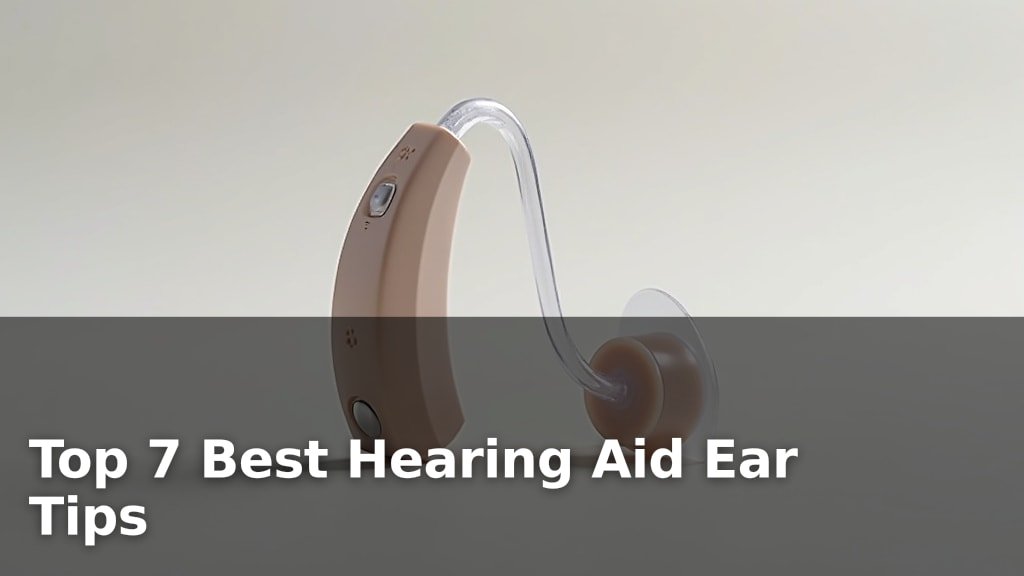
For behind-the-ear (BTE) hearing aids, the clear plastic tubing connects the main unit to the ear mold. Over time, this tubing can become cracked, hardened, or kinked. Any damage to the tubing creates an escape route for sound, leading to feedback. Similarly, a blocked or damaged vent in your ear mold can also disrupt sound flow and cause squealing.
Regularly inspect your tubing for signs of wear and tear. If it looks discolored, stiff, or cracked, it’s likely time for a replacement. Most audiologists can quickly change tubing for you.
External Factors Causing Feedback
Even when your hearing aid is perfectly fitted and clean, external objects can cause temporary feedback. These are often easy to identify and fix.
Hands, Hats, and Phones Near the Microphone
If you cup your hand over your ear, wear a tight hat, or hold a phone too close to your hearing aid, you might experience feedback. These objects can reflect the amplified sound back into the microphone, creating that familiar squeal. It’s like creating a mini echo chamber around your ear.
Try to be mindful of how close objects are to your hearing aid’s microphone. A little distance can make a big difference. This type of feedback usually stops as soon as the object is moved away.
When to Seek Professional Help
While many feedback issues can be resolved at home, there are times when you should definitely consult your hearing care professional. They have the tools and expertise to diagnose and fix more complex problems.
| When You Can DIY | When to See Your Audiologist |
|---|---|
| Minor volume adjustments | Persistent squealing despite troubleshooting |
| Hearing aid feels slightly loose | Suspected earwax impaction |
| Temporary feedback from external objects | Changes in your ear canal shape or size |
| Dirty microphone port (gentle cleaning) | Damaged ear mold or tubing that needs replacing |
| You’ve replaced the dome, and it’s still squealing | New or worsening hearing loss accompanied by feedback |
Don’t hesitate to reach out to your audiologist if you’re unsure or if the problem persists. They are there to help ensure you get the best possible experience from your hearing aids.
Your Feedback Checklist
Before you call your audiologist, run through this quick checklist. You might be able to solve the problem yourself!
- Is your hearing aid inserted correctly and snugly in your ear? Give it a gentle push.
- Are your ear molds or domes free of cracks, stiffness, or other visible damage?
- Do you suspect earwax buildup? Can you see any blockage in your ear canal?
- Is the volume setting too high? Try turning it down a notch or two.
- Are there any objects (hands, phone, hat) too close to the hearing aid’s microphone?
- Have you cleaned any visible debris from the microphone or receiver ports?
Going through these steps can often resolve the squealing. If not, your audiologist will appreciate that you’ve already done some initial troubleshooting.
Conclusion
Dealing with a squealing hearing aid can be truly disruptive, but as you’ve learned, it’s often a fixable issue. Most of the time, that annoying feedback points to a problem with your device’s fit, excess earwax, or simple external factors. By systematically checking these common culprits, you can frequently resolve the problem yourself and get back to clear, comfortable hearing.
Don’t let persistent feedback diminish your hearing experience. If self-troubleshooting doesn’t work, remember your audiologist is your best resource. They can diagnose underlying issues and ensure your hearing aids are perfectly tuned for you. Taking action means enjoying all the sounds of your life without interruption.
Frequently Asked Questions
Why does my hearing aid squeal when I put it in?
Your hearing aid often squeals when you put it in because it’s not yet fully sealed in your ear canal. Until it’s seated snugly, sound can escape and get picked up by the microphone, causing feedback. This usually stops once the aid is properly inserted.
Can a new hearing aid still cause feedback?
Yes, even brand-new hearing aids can cause feedback if they don’t fit perfectly or if settings aren’t optimized. It’s important to work with your audiologist during the initial fitting process to ensure a secure fit and correct programming to prevent squealing.
Is some hearing aid feedback normal?
Occasional, brief feedback when you put your hearing aid in or cup your hand over your ear is generally normal. However, constant or frequent squealing during regular use is not normal and indicates an underlying issue that needs to be addressed.
Can a dirty hearing aid cause feedback?
Absolutely. Dirt, debris, or earwax blocking the microphone or speaker ports can interfere with sound processing and lead to feedback. Regular cleaning of your hearing aid is important to maintain optimal performance and prevent squealing.
How often should I get my hearing aid checked to prevent feedback?
It’s a good idea to have your hearing aid checked by your audiologist at least once a year. These regular appointments allow them to inspect the fit, tubing, and overall function, helping to prevent issues like feedback before they become persistent problems.