How to Keep Hearing Aids from Falling Out?
On this page (8 sections)
You can absolutely keep your hearing aids from falling out. The best ways involve a secure fit and sometimes adding extra support like retainers or earmolds. This helps them stay put during your daily activities.
Losing a hearing aid can be frustrating and costly. We found that using the right accessories and ensuring a proper snug fit are key. Many people struggle with this, especially during exercise or when wearing hats. Understanding common causes helps prevent slippage.
- Use hearing aid retention devices.
- Ensure a snug, comfortable fit.
- Try different earmold styles.
- Keep your ears clean and dry.
- Check battery door and tubing.
Let’s walk through exactly how to make sure your hearing aids stay exactly where they should be, no matter what you’re doing.
Making Sure Your Hearing Aids Stay Put
It’s a common frustration: you’re in the middle of a conversation, a workout, or just reaching for something, and suddenly, one of your hearing aids is gone. It can feel like a tiny, expensive magician performing a disappearing act. But don’t worry, you can absolutely keep your hearing aids from falling out. The best ways involve a secure fit and sometimes adding extra support like retainers or earmolds. This helps them stay put during your daily activities.
Losing a hearing aid can be frustrating and costly. We found that using the right accessories and ensuring a proper snug fit are key. Many people struggle with this, especially during exercise or when wearing hats. Understanding common causes helps prevent slippage. Let’s walk through exactly how to make sure your hearing aids stay exactly where they should be, no matter what you’re doing.
Understanding Why Hearing Aids Slip
Before we dive into solutions, it’s helpful to understand why hearing aids tend to fall out in the first place. Think of your ears like unique puzzle pieces. What fits one person perfectly might not fit another. We found several common culprits for slippage:
Ear Shape and Size
Everyone’s ear canal and outer ear shape are different. Some ears are naturally more flared, while others are more contoured. This unique anatomy plays a big role in how well a hearing aid can grip. If the device isn’t molded or shaped correctly for your ear, it’s more likely to shift and fall.
Activity Levels and Movement
Are you always on the go? Do you enjoy vigorous exercise? A lot of head movement, from jogging to simply turning your head quickly, can dislodge a hearing aid. Even things like putting on a hat or mask, or lying down, can create enough pressure or friction to cause a slip. We found that active individuals often need extra security measures. Our guide on how to exercise with hearing aids explains how active individuals can keep their devices secure.
Moisture and Earwax
Our ears naturally produce moisture and earwax. Sweat during exercise or humidity can make the hearing aid or your ear canal slick. Excessive earwax can also create a barrier that pushes the hearing aid out. Keeping your ears clean and dry is more important than you might think for hearing aid retention. The CDC suggests regular ear cleaning for overall ear health (CDC).
Improper Fit or Damage
Sometimes, the problem isn’t you or your activity level, but the hearing aid itself. If the dome or earmold is worn out, cracked, or simply the wrong size, it won’t seal properly. For a closer look at this issue, read about domes slipping into your ear canal. We also found that older tubing can become stiff and less flexible, making it harder for the hearing aid to sit comfortably and securely.
Ensuring a Secure Fit: The Foundation of Retention
The most critical step in keeping your hearing aids in place is achieving a proper, comfortable fit. This isn’t just about comfort; it’s about stability. Your audiologist is your best friend here. They can help you assess and adjust the fit.
The Role of Your Audiologist
When you get your hearing aids fitted, your audiologist uses sophisticated tools to measure your ear canal. They then select the best type of dome or earmold for you. They’ll make sure the hearing aid sits snugly without causing pain or pressure. We found that a follow-up appointment a few weeks after initial fitting is often recommended to fine-tune the fit.
Understanding Different Dome and Earmold Types
Hearing aids come with various options for what sits in your ear. These are usually called domes or earmolds. The right choice makes a huge difference.
Domes
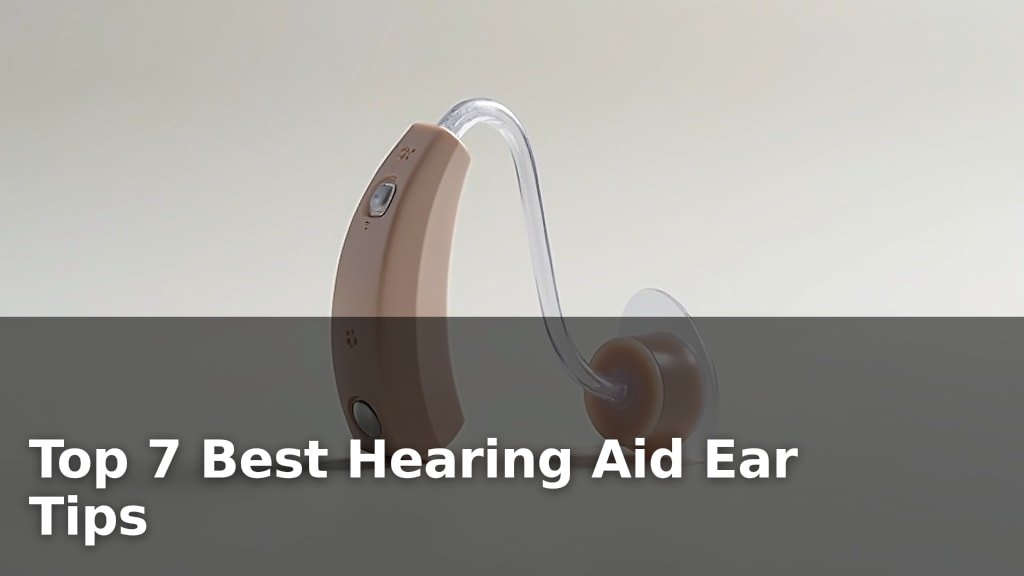
These are small, soft silicone or rubber tips that attach to the end of the hearing aid’s receiver wire. They come in different sizes (small, medium, large) and styles (open, closed, tulip).
- Open domes have a larger opening, allowing some natural sound to pass through. They’re good if you have mild hearing loss but can be less secure for very active users.
- Closed domes are more solid, providing a better seal for more significant hearing loss. They can offer a slightly more secure fit.
- Tulip domes have a unique shape designed to provide a more secure fit and better seal.
Earmolds
Earmolds are custom-made shells that fit precisely into your ear canal and concha (the bowl-shaped part of your outer ear). They are typically made from acrylic, silicone, or vinyl.
- Custom fit: Because they’re made from an impression of your ear, they offer the most secure and comfortable fit.
- Better seal: They create a tight seal, which is excellent for preventing feedback and ensuring the full power of your hearing aid reaches your ear.
- Retention: For individuals with active lifestyles or significant hearing loss, custom earmolds are often the best solution for keeping hearing aids in place.
When to Get a Refit or Adjustment
Your ears can change over time. Weight fluctuations, aging, or even just daily wear and tear can affect how your hearing aids fit. If you notice slippage is becoming more frequent, it’s time for a visit to your audiologist. They can check for wear and tear on your domes or earmolds and make adjustments as needed.
Utilizing Hearing Aid Retention Accessories
Sometimes, even with a good fit, you might need a little extra help. Fortunately, there are several accessories designed specifically to keep your hearing aids secure.
Retention Cords and Clips
These are like tiny safety tethers for your hearing aids. They often consist of a cord that connects your hearing aids to a clip. This clip can attach to your shirt collar, the back of your shirt, or even a pocket. If a hearing aid does start to slip, the cord will catch it before it falls to the ground. We found these are particularly popular for children but can be very useful for adults too.
Ear Grips and Ear Hooks
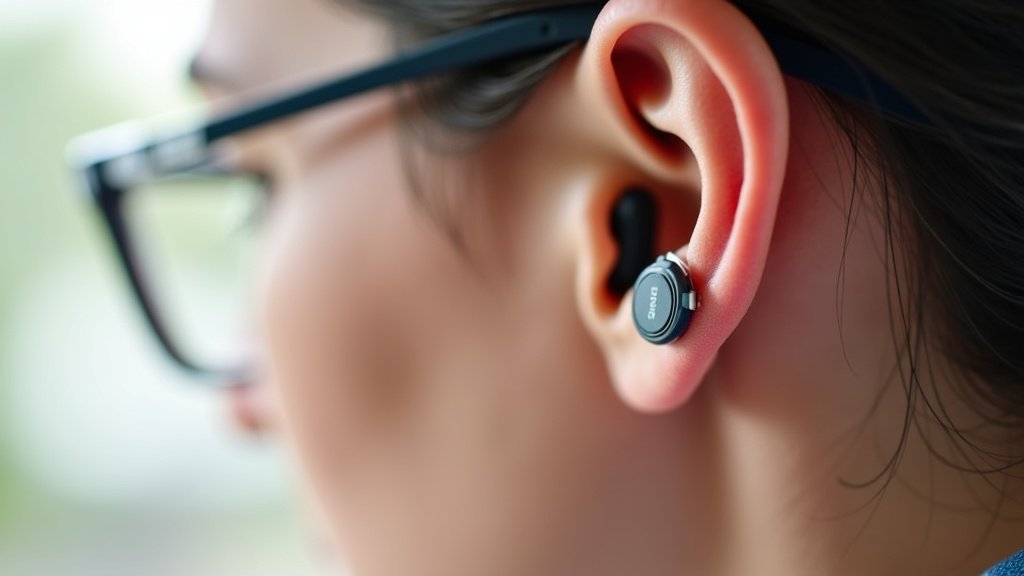
Some hearing aids have accessories that wrap around the back of your ear for added security. These can be made of soft silicone and are designed to hug the curve of your ear. They provide a gentle but firm hold, preventing the hearing aid from sliding forward or backward. They don’t usually require custom fitting and can be a simple way to increase retention.
Headbands and Specialized Headwear
For those with very active lifestyles, specialized headbands can be a great option. These are often made of soft, moisture-wicking fabric and have openings or channels to hold your hearing aids securely in place. They offer a more robust solution, essentially encasing your hearing aids against your head during vigorous activity. Some athletic companies even offer headbands designed for people wearing hearing aids.
Maintenance for Maximum Security
Keeping your hearing aids and your ears in good condition is an ongoing task that directly impacts how well they stay put.
Regular Cleaning of Hearing Aids
Accumulated earwax, sweat, and debris can make hearing aid domes or earmolds slippery. Regularly cleaning your hearing aids according to your audiologist’s instructions is essential. This ensures a clean surface for a better grip. We found that a soft, dry cloth is often the best tool for daily wipe-downs.
Ear Hygiene Practices
Keeping your ear canals clean and dry is also vital. Avoid using cotton swabs deep inside your ear canal, as this can push wax further in and create blockages. If you produce a lot of earwax, talk to your doctor or audiologist about safe ways to manage it. Keeping the area around the hearing aid entry point clean helps create a better seal. Guidelines from the National Institute on Aging suggest consulting a healthcare provider for earwax removal if needed (National Institute on Aging).
Checking for Wear and Tear
Regularly inspect the domes, tubing, and any custom earmolds for signs of damage. Cracks, stiffness, or a worn-out appearance can all compromise the fit. If you notice any issues, contact your audiologist for replacements. We found that replacing worn domes every 3-6 months is a good general guideline.
Battery Door and Tubing Integrity
Ensure the battery door closes securely. Sometimes, a slightly ajar battery door can cause the hearing aid to feel less stable. Also, check the tubing that connects the hearing aid body to the earmold or dome. If it looks cracked or feels unusually stiff, it might be contributing to a poor fit. This is something your audiologist can easily replace.
Quick Checklist: Keeping Your Hearing Aids In Place
Here’s a quick rundown to ensure your hearing aids stay put:
- Get a professional fit: Work with your audiologist for the best dome or earmold.
- Consider retention accessories: Use cords, clips, or ear grips if needed.
- Maintain cleanliness: Keep both your ears and hearing aids clean and dry.
- Inspect regularly: Check for any wear and tear on domes or tubing.
- Address issues promptly: If slippage is constant, see your audiologist for adjustments.
- Secure during activities: Use headbands or clips during exercise or when wearing hats.
Conclusion
Keeping your hearing aids securely in place is achievable with the right approach. You’ve learned that a proper fit is the absolute foundation, often achieved with help from your audiologist and the right dome or earmold selection. Don’t overlook the power of retention accessories like cords or ear grips, especially if you lead an active life. Consistent maintenance of both your ears and devices also plays a vital role in preventing slips. If you’re still experiencing issues, remember that a simple adjustment or a different accessory can make all the difference. Your next step is to schedule a follow-up with your audiologist to discuss your specific fit and explore any accessory options that could help.
Frequently Asked Questions
What’s the fastest way to fix a loose hearing aid?
The quickest fix is often adjusting the dome or earmold. If that doesn’t work, consider adding a retention clip or ear grip for immediate extra security. For a lasting solution, contact your audiologist soon.
Can earwax really make hearing aids fall out?
Yes, significant earwax buildup can create a slippery surface or push the hearing aid out. Regular, gentle cleaning of your outer ear canals can help prevent this issue and improve hearing aid retention.
Are custom earmolds really worth the extra cost for retention?
For many people, custom earmolds offer the most secure fit available. If you’re very active or have difficulty keeping standard hearing aids in place, the investment can prevent loss and improve your overall experience.
How often should I replace the domes on my hearing aids?
It’s generally recommended to replace domes every 3 to 6 months. They can wear down over time, losing their ability to create a snug seal, which can lead to slippage.
Can wearing a mask cause my hearing aids to fall out?
Yes, mask loops can snag on hearing aids, causing them to dislodge. Using hearing aid retention cords or clips that attach to your shirt can prevent them from falling if the mask causes them to slip.