Do You Need a Prescription for Hearing Aids?
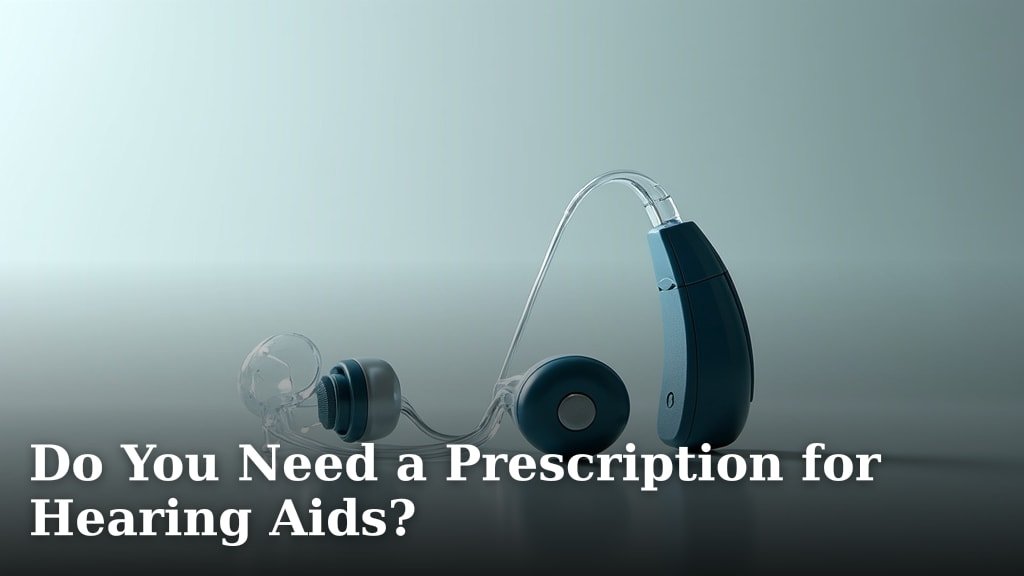
No, you generally do not need a prescription for most hearing aids anymore. Thanks to recent changes, you can now buy many types of over-the-counter (OTC) hearing aids directly.
This is a big change from how things used to be. For many years, getting a hearing aid always meant a trip to the doctor for a prescription and a fitting. Now, you have more options available for certain kinds of hearing loss.
- OTC hearing aids are now available without a prescription.
- This change applies to adults with perceived mild to moderate hearing loss.
- You can buy them online or in stores.
- Prescription hearing aids are still an option, especially for severe loss.
- It’s still smart to get your hearing checked by a professional.
Are you wondering if an OTC hearing aid is right for you, or when you might still need a doctor’s help? Let’s walk through everything you need to know about navigating these new choices.
Understanding the Shift: No Prescription, More Access
The landscape of hearing aid accessibility has changed dramatically. For years, getting a hearing aid was a process that always involved a doctor’s visit and a prescription. This often meant appointments with an audiologist or an ENT (ear, nose, and throat) doctor. But those days are largely behind us for many people.
Now, many types of hearing aids are available over-the-counter (OTC). This means you can buy them directly from stores or online, much like reading glasses. This change is a big win for convenience and affordability, making hearing solutions more accessible to a wider audience.
The OTC Hearing Aid Regulation Explained
Why the sudden change? It’s all thanks to new regulations. The U.S. Food and Drug Administration (FDA) established a new category for OTC hearing aids in 2022. This was a long-awaited move aimed at increasing access to hearing technology.
These new rules allow certain hearing aids to be sold without a medical exam or a prescription. It’s designed to help adults with perceived mild to moderate hearing loss. This means if you feel your hearing isn’t as sharp as it used to be, but it’s not severe, OTC options might be for you.
Who Qualifies for OTC Hearing Aids?
The FDA guidelines are clear about who these devices are for. They are specifically for adults aged 18 and older who believe they have mild to moderate hearing loss. This is “perceived” loss because you haven’t necessarily had a professional diagnosis yet.
If you struggle to hear conversations in noisy places, need to turn up the TV volume higher than others, or frequently ask people to repeat themselves, you might fit this category. It’s important to understand that OTC hearing aids are not for children or for people with severe hearing loss (Mayo Clinic).
When a Prescription is Still Essential for Hearing Aids
While OTC options are expanding, there are still many situations where a prescription hearing aid is the right choice. Don’t think of the new rules as replacing traditional care. Instead, they offer an additional path to better hearing.
For some, the complexity of their hearing loss or their specific needs still requires the expertise of a hearing healthcare professional. This ensures you get the most appropriate device and personalized care.
Addressing Severe or Complex Hearing Loss
If your hearing loss is more significant, or if you have certain medical conditions, a prescription hearing aid is still necessary. OTC devices are generally not powerful enough for severe hearing loss. They also aren’t designed to address complex hearing issues that might require detailed adjustments or specialized features.
A professional can conduct thorough tests and recommend devices that offer the power, clarity, and advanced features needed for more challenging cases. They can also rule out underlying medical issues that might be affecting your hearing.
Identifying Red Flags: When to See a Doctor
Even if you think your hearing loss is mild, there are times when you should absolutely consult a doctor first. These are often referred to as “red flags” and indicate a need for professional medical attention, not just a hearing aid.
- You have sudden hearing loss in one or both ears.
- There’s pain, discomfort, or fluid coming from your ear.
- You experience dizziness or vertigo along with hearing changes.
- You notice a significant difference in hearing between your two ears.
- You have a history of ear surgery or chronic ear infections.
- You hear a constant ringing or buzzing (tinnitus) that bothers you.
These symptoms could point to medical conditions that need treatment, not just amplification. Your health is always the top priority.
OTC vs. Prescription Hearing Aids: A Quick Comparison
It’s helpful to understand the main differences between these two types of hearing aids. Think of it like buying reading glasses versus prescription eyeglasses. Both help you see, but one requires an eye doctor, and the other you can grab off the shelf.
Here’s a simple breakdown to help you compare:
| Feature | OTC Hearing Aids | Prescription Hearing Aids |
|---|---|---|
| Accessibility | No prescription needed. Easy to buy in stores or online. | Requires a medical evaluation and prescription from a professional. |
| Target User | Adults (18+) with perceived mild to moderate hearing loss. | All degrees of hearing loss, from mild to profound; also for children. |
| Customization | Limited self-fitting and basic settings. | Highly personalized fitting and programming by a professional. |
| Cost | Generally lower upfront cost. | Higher cost, often includes professional services. |
| Professional Support | Minimal or self-serve support. | Ongoing professional care, adjustments, and maintenance. |
| Technology Level | Basic to advanced features, but less complex than some prescription models. | Widest range of advanced features and technologies available. |
This table gives you a clear snapshot. Your individual needs and the severity of your hearing loss will guide your decision.
The Importance of a Professional Hearing Check
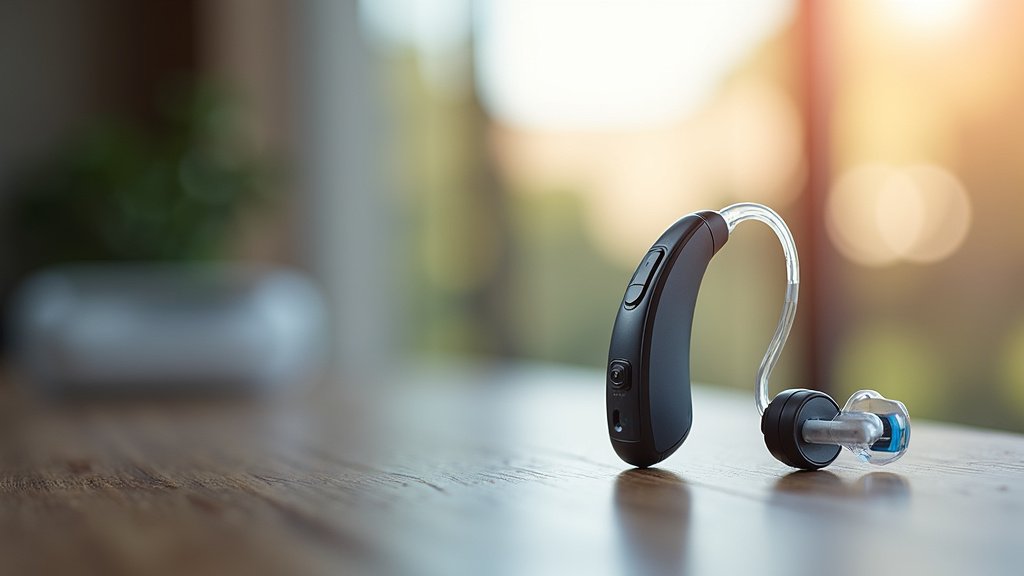
Even with OTC options, getting your hearing checked by a professional is still a really good idea. Why? Because a hearing test does more than just tell you if you have hearing loss; it can tell you what kind of hearing loss you have and if there are any underlying medical issues.
Think of it as getting a physical before starting a new exercise routine. You want to make sure everything is okay inside before you jump in. A professional can give you a baseline understanding of your hearing health.
Understanding Your Audiogram
When you get a professional hearing test, you’ll often receive an audiogram. This is a detailed chart that shows your hearing levels across different pitches (frequencies). It’s like a map of your hearing ability. An audiologist can explain what it all means and if your hearing loss is suitable for OTC devices or requires a more specialized approach.
This information is incredibly valuable. It helps you make an informed decision, rather than just guessing. You’ll know if an OTC device will truly meet your needs or if you need something more robust.
Guidance for Choosing the Right Hearing Aid
Even if you decide on an OTC hearing aid, a professional consultation can be helpful. They can offer advice on features to look for, how to properly insert and care for the device, and what to expect. They can also help you understand if the device you’re considering is appropriate for your specific hearing profile.
A professional can be a trusted resource, helping you navigate the options and ensuring you feel confident in your choice. This guidance can save you time, money, and frustration in the long run.
Making Your Decision: OTC or Prescription?
So, how do you decide which path is right for you? It really comes down to your personal circumstances, the nature of your hearing loss, and your comfort level with self-managing your hearing health. There’s no single “best” answer for everyone.
A Checklist for Considering OTC Hearing Aids
If you’re leaning towards an OTC hearing aid, here’s a quick checklist to help you evaluate if it’s a good starting point:
- Are you 18 years or older?
- Do you believe your hearing loss is mild to moderate?
- Are you comfortable adjusting and managing a device yourself?
- Do you find it hard to hear conversations in noisy rooms?
- Do you need the TV or radio volume louder than others?
- Have you ruled out any “red flag” medical symptoms with a doctor?
If you answered “yes” to most of these, an OTC hearing aid could be a suitable and accessible option for you to explore first. Many people find these devices provide enough help to significantly improve their daily communication and quality of life.
Remember, the goal is better hearing. Whether that comes from an OTC device you pick up at the store or a prescription device meticulously fitted by an audiologist, the important thing is taking steps to address your hearing needs.
Conclusion
The good news is that getting better hearing is now easier than ever. You no longer automatically need a prescription for many hearing aids. OTC devices offer a convenient and affordable option for adults with mild to moderate hearing loss. However, it’s really important to know when a professional’s help is still needed. Understanding your unique hearing profile, especially through a professional check, ensures you choose the right path. Your hearing health is worth investing in, and many resources are available to help you hear your best.
Frequently Asked Questions
Can OTC hearing aids damage my hearing?
When used correctly and for the intended mild to moderate hearing loss, OTC hearing aids are generally safe. However, improper use or using them for severe loss might not be effective and could delay necessary professional care. Always follow the manufacturer’s instructions carefully.
Do insurance plans cover OTC hearing aids?
Typically, most insurance plans, including Medicare, do not cover OTC hearing aids. They are considered consumer electronics. Some private plans might offer discounts or allowances, so it’s best to check directly with your insurance provider.
What’s the return policy like for OTC hearing aids?
Return policies for OTC hearing aids can vary widely by retailer and manufacturer. Many offer a trial period, often 30-90 days, during which you can return the device if it doesn’t meet your needs. Always check the specific return policy before purchasing.
How do I know if my hearing loss is mild to moderate?
Mild to moderate hearing loss often means you struggle in noisy environments, need the TV louder than others, or frequently ask people to repeat themselves. For a definitive answer, a professional hearing test is your best option. This provides an objective measure of your hearing.
Can I upgrade from an OTC hearing aid to a prescription one later?
Yes, absolutely. Starting with an OTC hearing aid is often a great first step. If you find they aren’t sufficient, or your hearing loss progresses, you can always consult a professional for prescription options. Your needs might change over time, and that’s perfectly normal.