How to Extend Hearing Aid Battery Life?
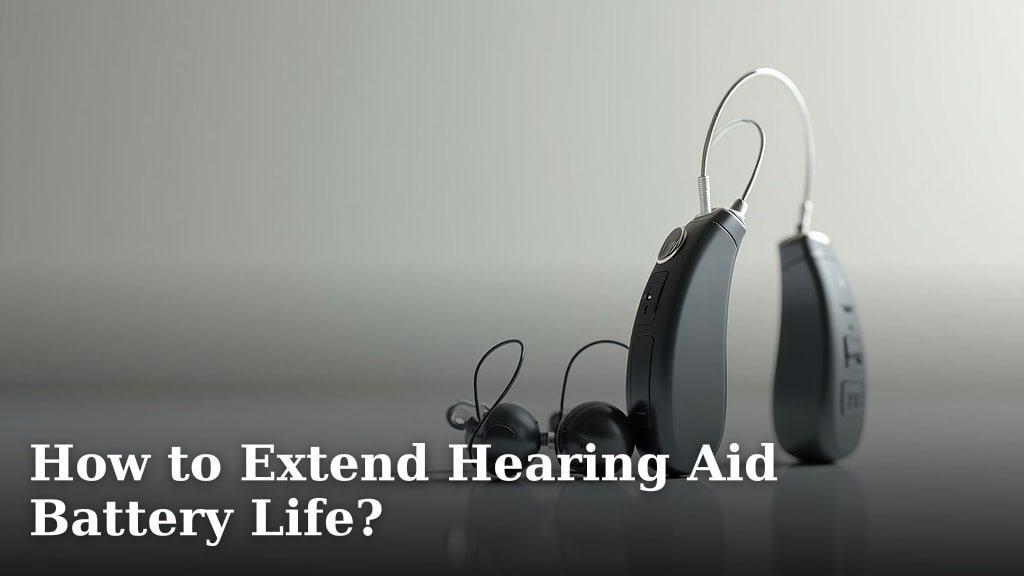
To extend your hearing aid battery life, reduce moisture exposure, open the battery door when not in use, and store them correctly. We found that these simple habits make a big difference. Caring for your batteries means fewer replacements and consistent performance.
You want your hearing aids to work perfectly all day, right? We understand the frustration of a dying battery at the wrong moment. Following a few easy steps can dramatically prolong battery life. This saves you money and keeps you connected to your world.
- Keep batteries dry.
- Open battery doors overnight.
- Store batteries properly.
- Avoid extreme temperatures.
Let’s walk through exactly how to make your hearing aid batteries last longer. We’ll share practical tips you can use starting today.
Maximizing Your Hearing Aid Battery Life
You want your hearing aids to last, and it starts with how you treat their power source. We found that proper battery care can significantly extend their lifespan. This means fewer trips to the store and more consistent sound quality for you.
Understanding Battery Types and Their Lifespan
Most modern hearing aids use zinc-air batteries. These batteries get their power from oxygen in the air. Each size offers a different expected life. Knowing what to expect helps you plan (National Institute on Deafness and Other Communication Disorders).
Common Battery Sizes and Lifespans
Hearing aid batteries come in four main sizes, easily identified by color codes. Each size provides a different amount of power. Bigger batteries usually last longer.
| Battery Size | Color Code | Average Lifespan | Common Hearing Aid Types |
|---|---|---|---|
| 10 | Yellow | 3-7 days | Completely-in-canal (CIC), Mini-RIC |
| 312 | Brown | 3-10 days | In-the-canal (ITC), Receiver-in-canal (RIC) |
| 13 | Orange | 6-14 days | In-the-ear (ITE), Behind-the-ear (BTE) |
| 675 | Blue | 9-20 days | Power BTE, Cochlear Implants |
Keep in mind, these are just averages. Your actual battery life will depend on your usage. If you stream audio often, for example, your batteries might drain faster.
Smart Storage Solutions for Longer Life
How you store your batteries makes a big difference. We found that keeping them in their original packaging is crucial. This protects them from early activation and environmental damage.
Original Packaging is Best
Zinc-air batteries have a small tab on them. This tab keeps air out and stops the battery from activating. Always leave the tab on until you’re ready to use the battery. Once removed, the battery starts to drain, even if not in your hearing aid.
Protect from Extreme Temperatures
Both very hot and very cold conditions can harm battery life. We found that room temperature is ideal for storage. Don’t leave batteries in your car on a hot day. Avoid storing them in the refrigerator, as that can actually introduce moisture.
Keep Them Dry and Safe
Moisture is a battery’s enemy. Store your batteries in a dry place, away from humidity. A drawer or cabinet in your living space works well. Avoid bathrooms or laundry rooms where humidity levels can fluctuate.
Daily Habits That Extend Battery Life
Small changes to your routine can lead to big savings. We found that simple daily practices can add days to your battery’s life. These habits become second nature quickly.
Open the Battery Door at Night
This is one of the most effective tips. When you’re not using your hearing aids, open the battery compartment door. This turns them off completely. It also lets any moisture inside the hearing aid evaporate, which is good for both the battery and the device itself (American Speech-Language-Hearing Association).
Remove Batteries During Extended Non-Use
Planning not to wear your hearing aids for a few days? Take the batteries out completely. This prevents any tiny power drain that might still happen when the door is open. It also protects your hearing aid from potential battery corrosion. Corrosion can damage the electronics of your device.
Handle Batteries with Care
Your hands have natural oils and moisture. These can transfer to the battery. Always wash your hands before changing batteries. We found that clean hands prevent residue buildup on the battery contacts. This ensures a better connection and more efficient power transfer.
Optimizing Your Hearing Aid Settings
Your hearing aid’s features are amazing, but they use power. You can adjust some settings to be more battery-friendly. Think of it like turning off apps on your phone that you’re not using.
Manage Streaming and Wireless Features
Streaming audio from your phone or TV uses a lot of battery power. If you don’t need to stream constantly, limit its use. Many experts suggest using these features only when truly necessary. This can significantly prolong your battery’s life.
Adjust Volume Thoughtfully
Turning up the volume too high can also drain batteries faster. While you need the volume at a comfortable level, avoid unnecessary loudness. A well-fitted hearing aid shouldn’t require maximum volume all the time.
When to Replace and What to Avoid
Knowing when a battery is truly dead helps you plan. Also, some common mistakes can quickly shorten battery life.
Recognizing a Dying Battery
Hearing aid batteries don’t usually die suddenly. You might notice the sound becoming weaker or distorted. Some hearing aids give you a low battery warning beep. When you notice these signs, it’s time for a fresh battery. Don’t wait for complete failure.
Avoid Mixing Old and New Batteries
Always replace both batteries in a pair of hearing aids at the same time, if applicable. We found that mixing old and new batteries can lead to inefficient power use. The older battery will drain the newer one faster, reducing overall life for both.
No Need to “Recharge” or “Revive”
Zinc-air batteries are not rechargeable. Attempts to recharge them can be dangerous and ineffective. There are also no safe tricks to “revive” a dead battery. Once it’s truly dead, it’s time for a new one. We often see people trying to warm them up, but this doesn’t help.
Your Quick Battery Life Checklist
Ready to make your batteries last longer? Here’s a quick reminder of the key steps:
- Always open the battery door at night.
- Store batteries in their original packaging.
- Keep batteries in a cool, dry place.
- Wash your hands before handling batteries.
- Limit wireless streaming when possible.
- Remove batteries for long periods of non-use.
By following these simple guidelines, you’ll be well on your way to enjoying longer-lasting hearing aid batteries and fewer interruptions to your hearing experience. It’s all about consistent, mindful care.
Conclusion
You now have a solid understanding of how to make your hearing aid batteries last longer. We’ve shown you that simple habits, like opening the battery door at night and proper storage, truly make a difference. By implementing these easy steps, you’ll avoid the frustration of a dead battery. This means more consistent hearing and fewer interruptions to your daily life. Start applying these tips today to enjoy a more reliable hearing experience.
Frequently Asked Questions
Why do some hearing aid batteries last longer than others?
Battery life depends on several factors. These include the battery’s size, your hearing aid’s power demands, and how often you use features like streaming. Larger batteries generally offer a longer lifespan.
Can humidity really shorten battery life?
Yes, absolutely. High humidity can cause batteries to corrode or drain faster. Storing your batteries and hearing aids in a dry environment is key to preserving their power.
Is it bad to leave my hearing aid batteries in the refrigerator?
It’s best to avoid refrigerating hearing aid batteries. While some might think it helps, the cold can introduce condensation. This moisture can actually damage the batteries and shorten their life.
How can I tell if my hearing aid battery is low?
You might notice the sound from your hearing aid becoming weaker or distorted. Many modern hearing aids also emit a specific low-battery warning tone. Replace the battery as soon as you notice these signs.
Should I remove batteries from my hearing aids if I’m only taking them off for an hour or two?
For short breaks, simply opening the battery door is usually sufficient. This turns off the hearing aid and allows air circulation. Removing them is more beneficial for longer periods of non-use, like several days.