What Is the Fda Regulation on OTC Hearing Aids?
The FDA regulation on OTC hearing aids means you can now buy certain hearing aids without a prescription or medical exam. This new rule, finalized in 2022, makes it easier…

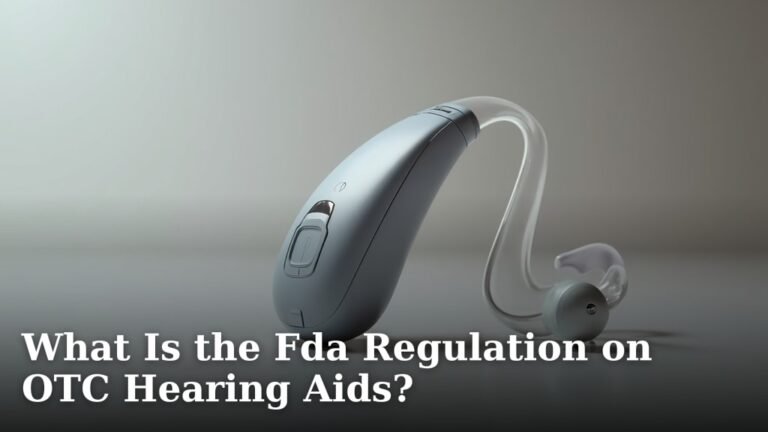
The FDA regulation on OTC hearing aids means you can now buy certain hearing aids without a prescription or medical exam. This new rule, finalized in 2022, makes it easier…

No, you generally cannot use a hearing amplifier instead of a hearing aid for treating hearing loss. While both devices make sounds louder, they serve very different purposes. A hearing…
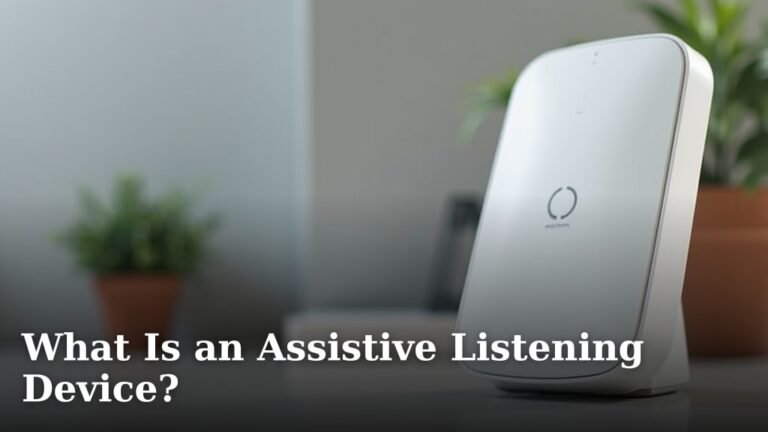
An assistive listening device (ALD) is a special tool designed to help you hear better in difficult situations. These devices make sounds clearer and louder, especially when there’s a lot…

A captioned telephone is a specialized phone that displays real-time text captions of your conversations. It allows you to read what the other person is saying while you talk and…

To remove earwax from a hearing aid, you’ll need a wax pick, a brush, and a soft cloth. Regularly cleaning these parts is key for clear sound. A simple daily…
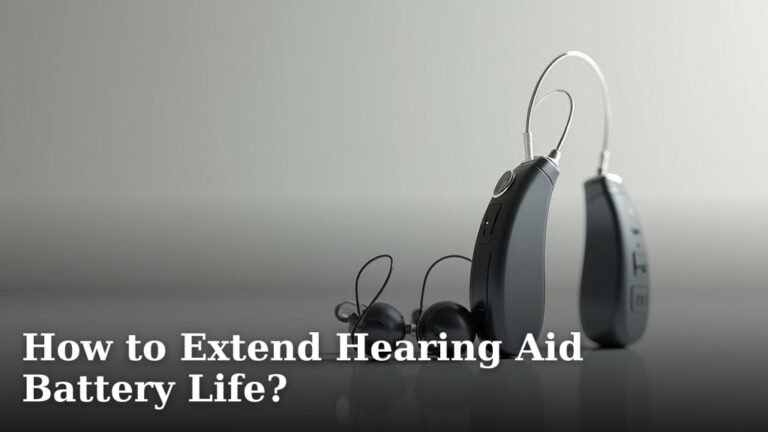
To extend your hearing aid battery life, reduce moisture exposure, open the battery door when not in use, and store them correctly. We found that these simple habits make a…
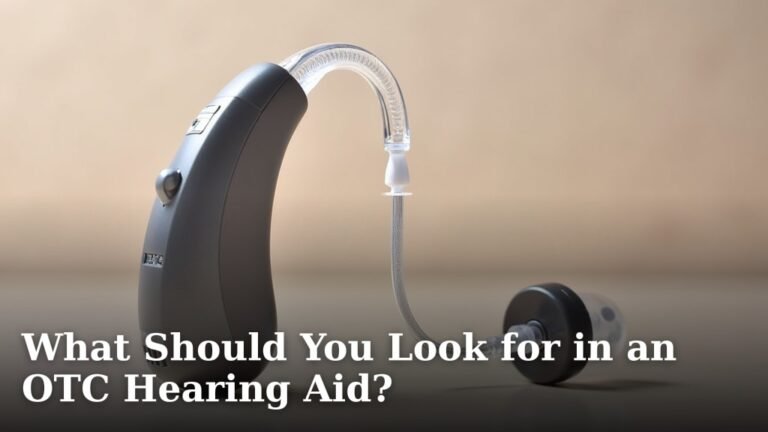
When looking for an OTC hearing aid, you should prioritize devices with adjustable settings, a comfortable fit, and good sound quality. We found that features like rechargeable batteries and a…
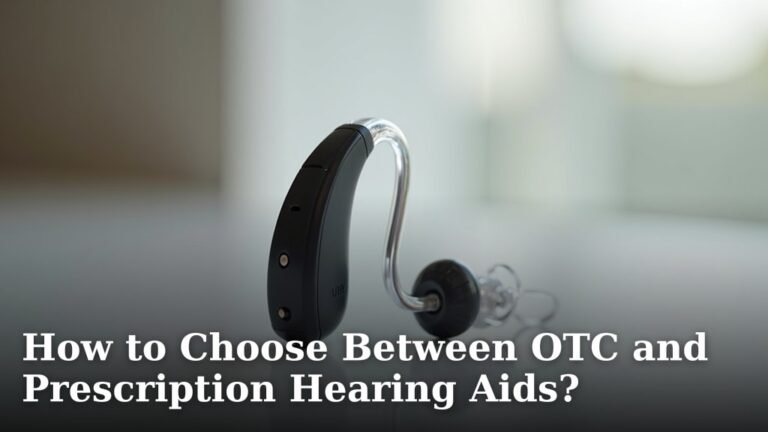
To choose between OTC and prescription hearing aids, you need to consider your type and degree of hearing loss. OTC hearing aids are for adults with perceived mild to moderate…
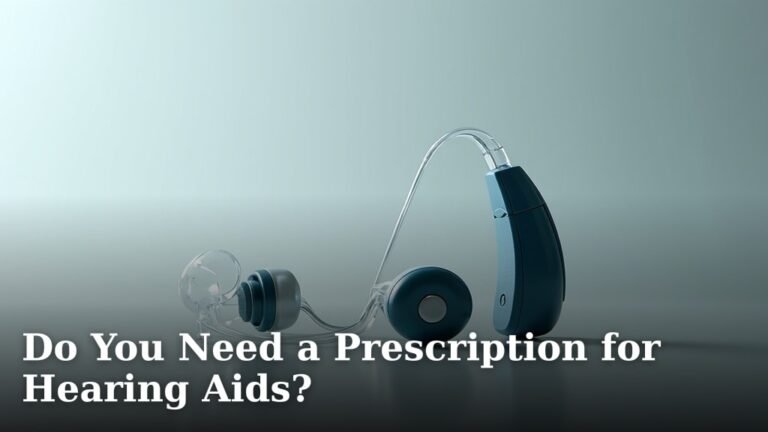
No, you generally do not need a prescription for most hearing aids anymore. Thanks to recent changes, you can now buy many types of over-the-counter (OTC) hearing aids directly. This…

When buying hearing aids, you should look for devices that fit your specific hearing loss, lifestyle, and budget. Key features like digital noise reduction and connectivity options are very important….