Can You Use One Hearing Aid Instead of Two?
On this page (3 sections)
Yes, you can use one hearing aid instead of two, but it’s usually not the best choice for most people with hearing loss. While a single hearing aid might seem like a simpler or more affordable option, it often doesn’t provide the full benefits of bilateral hearing. Your ears work together like a team to help you hear clearly.
Using two hearing aids, also known as bilateral hearing, offers significant advantages. It improves your ability to locate sounds and understand conversations, especially in noisy places. Many experts say that wearing two hearing aids can lead to a more natural listening experience. Going solo with one hearing aid can leave you missing out on these crucial benefits.
- You can wear just one hearing aid, but it’s rarely ideal.
- Two hearing aids offer better sound direction and understanding in noise.
- Bilateral hearing provides a more natural sound experience.
- Consider your specific hearing needs with a professional.
Let’s look closer at why wearing two hearing aids is often recommended and what you might experience if you choose to use just one.
Choosing Between One or Two Hearing Aids
You can certainly use a single hearing aid. Many people do! However, we found that most hearing healthcare professionals recommend two hearing aids for a reason. They want you to have the best possible hearing experience. Let’s explore why using just one might not give you the full picture, or rather, the full sound.
Understanding Binaural Hearing
Think of your ears as a stereo system. When you listen to music with just one speaker, it sounds okay. But when you have two speakers working together, you get a much richer, fuller sound. Binaural hearing, or using two hearing aids, works in a similar way for your ears. Your brain loves having sound information from both sides.
How Your Ears Work Together
When you have hearing loss in both ears, even if one is worse than the other, your ears play a vital role in how you perceive sound. They help you pinpoint where a sound is coming from. This is called sound localization. It’s like having built-in GPS for noise. If you only use one hearing aid, you lose a lot of this directional information.
The Advantage of Stereo Sound
Research shows that using two hearing aids can significantly improve your ability to understand speech. This is especially true when you’re in a noisy environment, like a restaurant or a crowded party. Your brain can compare the sound signals from both ears. This helps it filter out background noise. It’s like having a superpower for conversations. We found that many people with hearing loss report much better speech clarity with two aids.
When Might One Hearing Aid Be Considered?
There are specific situations where a single hearing aid might be your only option or a viable choice. It’s not always a one-size-fits-all recommendation. Sometimes, the hearing loss is only in one ear. This is known as unilateral hearing loss.
Unilateral Hearing Loss
If you have normal hearing in one ear and significant hearing loss in the other, wearing a hearing aid in the impaired ear is the clear choice. In this case, a single hearing aid can help you hear sounds from that side. However, even with unilateral hearing loss, some professionals might discuss CROS or BiCROS hearing aid systems. These systems help transmit sound from the deaf ear to the hearing ear.
Mild, Asymmetrical Hearing Loss
Sometimes, hearing loss affects one ear more than the other. This is called asymmetrical hearing loss. If the loss in one ear is very mild, and the other is more significant, you might be tempted to just aid the worse ear. However, we found that even mild loss in the better ear can benefit from amplification. Leaving it unaided can create an imbalance.
The Downsides of Going Solo with One Hearing Aid
Choosing to wear only one hearing aid when you have hearing loss in both ears can come with several drawbacks. It’s important to understand these potential issues before making a decision. You want to make the most informed choice for your hearing health.
Auditory Deprivation in the Unaided Ear
This is a major concern. When one ear isn’t stimulated with sound, it can become “lazy.” The brain might start to tune out those signals over time. This is called auditory deprivation. If you later decide to get a hearing aid for that ear, it can be harder for your brain to process the sound. Experts from organizations like the National Institute on Deafness and Other Communication Disorders (NIDCD) highlight this risk.
Difficulty with Sound Localization
Remember that sound localization we talked about? It’s crucial for safety and for enjoying your environment. Imagine walking near a street. Knowing which direction a car is coming from is vital. With only one hearing aid, judging that direction becomes much harder. You might find yourself turning your head more often to identify sounds.
Reduced Speech Understanding in Noise
This is a big one for many people. When you’re trying to follow a conversation in a noisy cafe, using two hearing aids helps your brain separate the speech from the surrounding chatter. With one hearing aid, that sophisticated “noise-filtering” ability is significantly reduced. Many users report feeling much more fatigued trying to keep up in noisy places with just one aid.
Uneven Sound Perception and Balance Issues
Your ears also contribute to your sense of balance. When one ear isn’t receiving proper sound input, it can sometimes lead to a feeling of imbalance or disorientation. It’s like trying to balance on one leg versus two. The brain receives asymmetrical information, which can be confusing.
The Benefits of Bilateral Amplification
Wearing two hearing aids, when recommended, generally offers a superior listening experience. It’s the closest you can get to restoring natural hearing. Your brain is designed to process sound from both ears.
More Natural Sound Quality
When both ears are working together with amplification, the sound feels more balanced and natural. You’re less likely to feel like sound is coming from just one direction. This makes music more enjoyable and everyday sounds richer.
Improved Speech Comprehension
As mentioned, understanding conversations in noise is a key benefit. Studies, including those reviewed by the American Speech-Language-Hearing Association (ASHA), consistently show better speech understanding with bilateral hearing aids. You can participate more fully in social situations.
Enhanced Sound Localization
Knowing where sounds are coming from is instinctual with two ears. Hearing aids that work together restore this ability. You can better pinpoint the source of a doorbell, a phone ringing, or someone calling your name. This makes your world feel safer and more navigable.
Reduced Listening Strain
When your brain doesn’t have to work as hard to make sense of sounds or filter out noise, you experience less listening fatigue. This means you can engage in conversations and activities for longer periods without feeling drained. Many people report having more energy at the end of the day when they wear both hearing aids.
Factors to Consider When Deciding
Your personal hearing needs are unique. What works best for one person might not be ideal for another. A thorough hearing evaluation is the first step.
Severity and Type of Hearing Loss
Your audiologist will assess the degree of your hearing loss (mild, moderate, severe) and the type (sensorineural, conductive, mixed). This information is critical. The results guide the recommendation for one or two hearing aids.
Lifestyle and Communication Needs
Do you live a quiet life, mostly at home? Or are you a social butterfly who frequently visits noisy restaurants and attends events? Your daily activities play a big role. If you’re often in challenging listening environments, two hearing aids are usually more beneficial. We found that active individuals often report the biggest gains with bilateral amplification.
Comfort and Fit
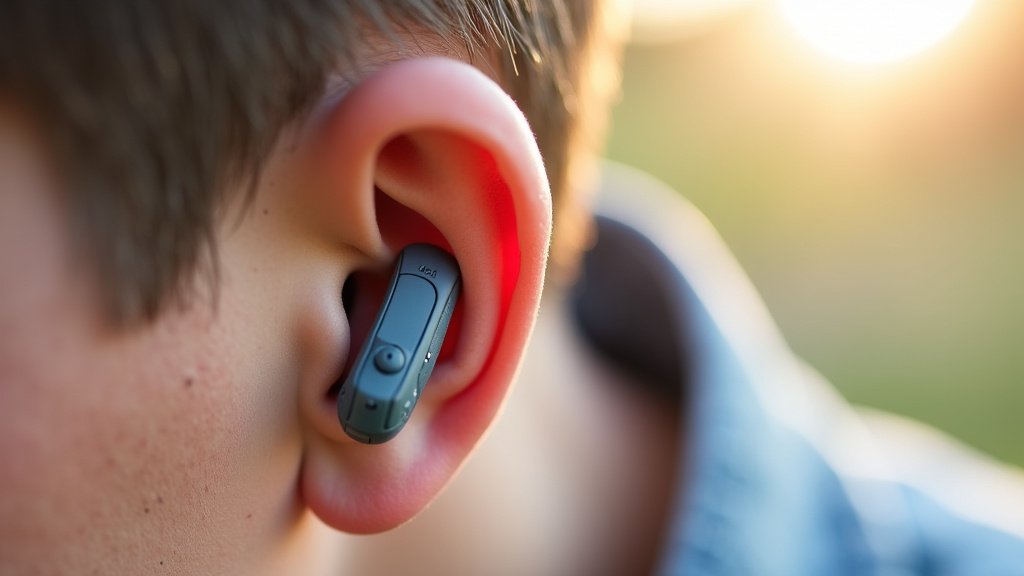
Hearing aids need to be comfortable to wear all day. If you find a particular style or type uncomfortable, it might impact your willingness to wear them. Modern hearing aids come in many styles, from tiny ones that sit in the ear canal to behind-the-ear models.
Budget and Affordability
Hearing aids are an investment in your quality of life. While two hearing aids represent a greater initial cost than one, they often provide more comprehensive benefits. Insurance coverage and financing options can help make them more accessible. It’s worth discussing these options with your hearing care provider.
What Your Audiologist Will Recommend
Your audiologist or hearing instrument specialist is your best resource. They have the expertise to assess your hearing and discuss your options. They will explain the pros and cons of various solutions based on your specific hearing profile. They will not push you towards two aids if one is truly the best solution for your unique situation. However, they will likely explain the advantages of bilateral fitting when hearing loss is present in both ears. Your audiologist can help you decide on the best approach for choosing between OTC and prescription hearing aids.
Here’s a quick checklist to consider when discussing your options:
- Have you had a recent hearing test?
- Is your hearing loss in one ear or both?
- What are your main listening challenges?
- How active is your social life?
- Are you experiencing listening fatigue?
- What are your budget considerations?
Ultimately, the goal is to improve your ability to communicate and enjoy the sounds around you. While using one hearing aid is an option, it’s often not the most effective path to achieving clear, comfortable hearing when both ears are affected. We found that for most people with bilateral hearing loss, the investment in two hearing aids pays off in a richer, more connected listening experience.
Conclusion
While you can use one hearing aid, it’s usually not the best way to address hearing loss in both ears. Wearing two hearing aids, or bilateral amplification, offers a much richer and more natural listening experience. You’ll find it easier to understand conversations, pinpoint sound direction, and avoid listening fatigue. For the most effective results and to prevent potential issues like auditory deprivation, we recommend discussing your specific hearing needs with your audiologist. They can help you make the most informed choice for clearer, more comfortable hearing.
Frequently Asked Questions
Is it bad for my hearing if I only wear one hearing aid?
Not wearing a hearing aid in an unaided ear when you have hearing loss can lead to auditory deprivation. Your brain may become less adept at processing sounds from that side over time. This can make it harder to benefit from a hearing aid in that ear later on.
Can one hearing aid help me hear better in noisy places?
One hearing aid will offer some improvement, but it won’t provide the same level of clarity in noise as two. Your brain uses sound from both ears to help filter out background chatter. With only one aid, this natural noise-reduction ability is significantly reduced.
Will I have trouble balancing if I only wear one hearing aid?
It’s possible to experience a slight sense of imbalance or disorientation. Your ears play a role in your sense of balance. Receiving sound information from only one side might make your brain feel a bit uneven, though this varies by individual.
What if I can only afford one hearing aid right now?
It’s understandable to have budget concerns. While one hearing aid is better than none for the aided ear, remember it’s an incomplete solution if both ears have hearing loss. Discuss payment plans or financing options with your provider, and consider saving for a second aid to get the full benefits.
Are there any situations where one hearing aid is definitely recommended?
Yes, if you have unilateral hearing loss (significant loss in only one ear) and normal hearing in the other, a single hearing aid for the affected ear is the primary recommendation. Some advanced systems, like CROS or BiCROS, might also be considered for specific types of single-sided deafness.