How to Choose the Right Hearing Aid Battery Size?
On this page (7 sections)
Choosing the right hearing aid battery size is about matching the small number on the package to the size your hearing device needs. Most hearing aids use tiny zinc-air batteries, and they are color-coded for easy identification. Finding the correct size ensures your hearing aid works properly and efficiently.
Understanding these batteries is key to keeping your hearing aids running smoothly. There are typically four common sizes, each designed for different types of devices. Getting this right means better hearing performance and fewer interruptions in your day. It’s a simple but important detail for anyone relying on hearing technology.
- Hearing aid batteries are numbered and color-coded.
- Common sizes fit most hearing aids.
- Match the battery number to your device’s requirement.
- Color-coding makes them easy to identify.
Let’s get into the nitty-gritty of selecting the perfect battery size for your hearing needs. We’ll cover what those numbers and colors mean so you can make a confident choice.
Picking the Right Hearing Aid Battery Size for You
Finding the correct hearing aid battery size is simpler than you might think. It mostly boils down to matching a small number on the package to the specific size your hearing device requires. Most hearing aids use tiny zinc-air batteries, and they come in a few standard sizes. These sizes are helpfully color-coded, making your life much easier.
Ensuring you have the right battery is key to keeping your hearing aids functioning at their best. It means you won’t miss important conversations or important sounds. Getting this detail right also ensures your hearing aid performs efficiently, giving you longer listening times. It’s a simple but very important step for anyone who relies on hearing technology daily.
Understanding Hearing Aid Battery Sizes: The Basics
Hearing aid batteries are a specialized type of button cell battery. They are designed to be small and powerful. The most common type used today are zinc-air batteries. This means they use oxygen from the air to activate. This is why they have a small sticker on them that you need to peel off before use. Once the sticker is removed, the battery starts to work and will begin to lose its charge.
You’ll find that hearing aid batteries come in four main sizes. These sizes are standard across most brands and manufacturers. Each size is designed to fit specific types of hearing aids, from very small, nearly invisible models to larger, more powerful ones. The key to selecting the right one is knowing which size your particular hearing aid model uses.
The Four Main Hearing Aid Battery Sizes Explained
Let’s break down the four most common sizes you’ll encounter. Each size is identified by a number and a specific color code. This system was created to make it super easy for users to grab the right battery without confusion.
Size 10: The Smallest and Brightest
Hearing aid batteries labeled with the number 10 are the smallest of the bunch. They are also easily identifiable by their bright yellow sticker and matching yellow packaging. Because they are so small, they are typically used in very small hearing aids. These are often custom-molded hearing aids that fit snugly in the ear canal.
While they are tiny, they offer a decent amount of power for their size. However, due to their small capacity, they tend to have the shortest lifespan. You might find yourself changing these batteries more frequently compared to larger sizes. We found that users with smaller devices often appreciate the discreet nature of these batteries.
Size 312: A Popular Mid-Size Option
The 312 battery is one of the most popular sizes. You’ll recognize it by its brown sticker and brown packaging. This size is commonly used in Receiver-In-Canal (RIC) hearing aids and in-the-ear (ITE) hearing aids. These are very common types of hearing aids that offer a good balance of size and power.
Size 312 batteries offer a good lifespan, generally lasting longer than size 10 batteries. This makes them a convenient choice for many users. They provide enough power to support the features found in many modern hearing devices. Many hearing healthcare professionals suggest this size as a reliable option for a wide range of hearing needs.
Size 13: A Balanced Choice for Many Devices
The 13 battery is another common size, indicated by its orange sticker and orange packaging. This battery size is often found in behind-the-ear (BTE) hearing aids and larger ITE models. These devices often require a bit more power to run their advanced features.
Size 13 batteries provide a longer lifespan than both size 10 and 312. This means fewer battery changes throughout the week. Their larger size allows for more energy storage, which is beneficial for hearing aids with higher amplification needs. We found that users who prefer fewer daily tasks often opt for devices using this battery size.
Size 41: The Largest and Longest-Lasting
Finally, we have the 41 battery, also sometimes referred to as size 675. This is the largest of the standard hearing aid battery sizes. It comes with a blue sticker and blue packaging. You will typically find this battery size in powerful BTE hearing aids. These are often prescribed for individuals with severe to profound hearing loss.
Due to its larger size, the 41 battery holds the most energy. This translates to the longest lifespan among all the common hearing aid battery sizes. You can expect these batteries to last the longest before needing a replacement. This reduced frequency of changes is a significant benefit for users who may have difficulty handling small batteries.
How to Find Your Hearing Aid’s Battery Size
Now that you know the different sizes, how do you figure out which one is for your hearing aid? It’s usually quite straightforward. Your hearing healthcare provider is your best resource, but there are other ways too.
Check Your Hearing Aid Manual
The first and most reliable place to look is your hearing aid’s user manual. This document is packed with all the information you need about your specific device. Look for a section on batteries or power. It will clearly state the required battery size and often show a picture of it.
If you don’t have a physical copy of the manual, don’t worry! Most manufacturers have their manuals available for download on their websites. You’ll usually need the make and model of your hearing aid to find the correct PDF. This is a good step if you want to be absolutely sure.
Look at Your Current Batteries
Chances are, you have some spare batteries lying around, or you can look at the battery currently in your hearing aid. As we discussed, each battery size has a corresponding color code. The number and color are usually printed directly on the battery itself, as well as on the packaging.
For example, if the battery in your device has a yellow tab and the packaging is yellow, you likely need size 10 batteries. If it’s brown, it’s size 312. Orange means size 13, and blue signifies size 41. This visual clue is incredibly helpful and often the quickest way to identify the right size.
Ask Your Hearing Healthcare Professional
Your audiologist or hearing instrument specialist is an expert in all things hearing aids. They will know exactly which battery size your hearing aid model uses. In fact, they usually provide you with the correct batteries when you get your devices fitted.
Don’t hesitate to call their office if you’re unsure. They are there to help you with any questions, big or small. It’s always better to ask than to guess and potentially buy the wrong size. They can also guide you on the best brands and types of batteries for your specific device and lifestyle.
The Importance of Using the Correct Battery Size
Using the right battery size isn’t just about convenience; it’s essential for your hearing aid’s performance and longevity. Let’s explore why this detail matters so much.
Ensuring Proper Fit and Function
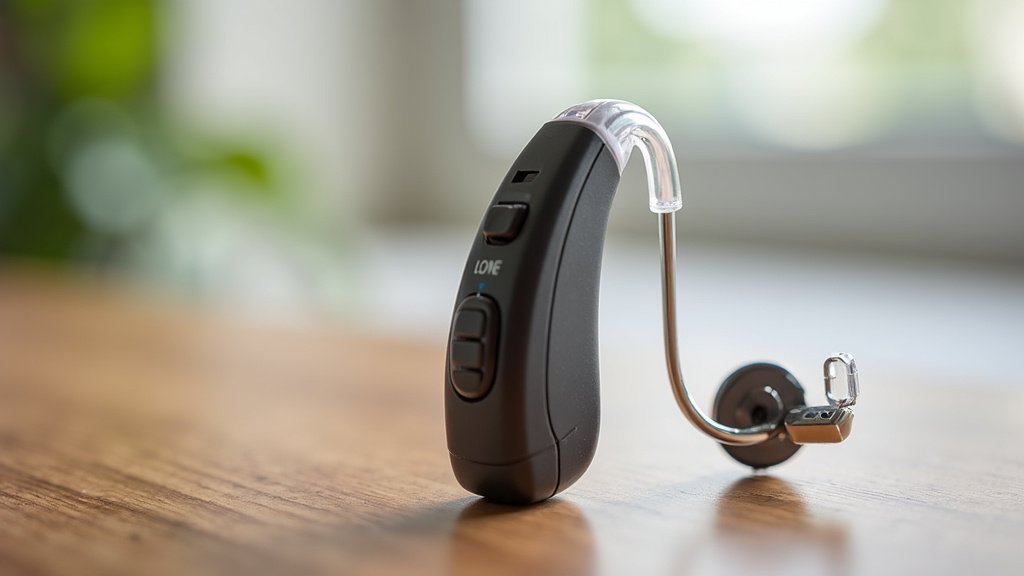
Hearing aids are designed with very specific battery compartments. These compartments are precisely sized to accommodate only the correct battery size. If you try to insert a battery that is too large, it simply won’t fit. If it’s too small, it might not make proper contact, or it could rattle around loosely.
A battery that doesn’t fit correctly can lead to intermittent performance. Your hearing aid might work one minute and then stop the next. This can be incredibly frustrating and make you question the device itself, when the issue is simply the battery. A proper fit ensures a stable power connection, allowing your hearing aid to function as intended.
Maximizing Battery Life and Performance
Each battery size is designed to deliver a certain amount of power and last for a specific duration. Using the correct size ensures your hearing aid receives the optimal voltage and current it needs to operate efficiently. When a hearing aid is designed for a larger battery, using a smaller one means it might not have enough power.
This can lead to weaker sound amplification and reduced functionality of advanced features like noise reduction or directional microphones. Conversely, while less common, trying to force a battery into a compartment it’s too large for could damage the compartment itself. We found that using the manufacturer-recommended battery size consistently leads to the best hearing aid performance.
A Quick Checklist for Choosing Your Batteries
Ready to make your next battery purchase with confidence? Here’s a quick rundown to keep in mind:
- Check your hearing aid manual for the exact battery size number.
- Look at the color code on your current batteries or packaging.
- Confirm the size with your audiologist or hearing healthcare provider.
- Note the number (10, 312, 13, or 41/675) and color (yellow, brown, orange, blue).
- Purchase batteries that precisely match your hearing aid’s requirements.
- Store your new batteries in a cool, dry place until you need them.
Conclusion
You’ve learned that choosing the right hearing aid battery is a straightforward process. It hinges on matching the number and color code on the battery or its packaging to your specific hearing device. We found that sticking to the correct size ensures your hearing aids fit well, function reliably, and deliver optimal sound quality. Don’t hesitate to consult your hearing aid manual or your audiologist if you’re ever in doubt. Your next step is to double-check the battery size for your current hearing aids and make a note of it for your next purchase!
Frequently Asked Questions
What happens if I use the wrong size hearing aid battery?
Using the wrong size battery can prevent your hearing aid from fitting correctly. A battery that’s too large won’t fit in the compartment at all. If a battery is too small, it might not make proper contact, leading to your hearing aid working intermittently.
Can I use rechargeable hearing aid batteries instead of disposable ones?
Yes, many modern hearing aids are rechargeable. If your device is compatible, rechargeable batteries can be a convenient option. They eliminate the need to handle tiny disposable batteries altogether. You simply place them on their charger overnight.
How long do hearing aid batteries typically last?
The lifespan of a hearing aid battery varies by size and usage. Generally, smaller batteries like size 10 last about 3-5 days. Larger batteries like size 13 or 41 can last from 6-14 days. Your device’s features and how often you stream audio also affect battery life.
Where can I buy the correct hearing aid batteries?
You can purchase hearing aid batteries from your audiologist’s office, pharmacies, and many online retailers. It’s always best to buy from reputable sources to ensure you’re getting fresh, high-quality batteries. Always check the size and color code before purchasing.
Is there a difference between zinc-air and other types of batteries for hearing aids?
Zinc-air batteries are the most common type for hearing aids because they are activated by air. This activation process means they have a longer shelf life until the tab is removed. Other battery types might not offer the same combination of small size, consistent power, and longevity needed for hearing devices.