How to Clean a Hearing Aid Dome without Damaging It?
On this page (7 sections)
The easiest way to clean a hearing aid dome is with a soft, dry brush and a dedicated hearing aid cleaning solution or mild soap and water. This gentle approach helps remove earwax and debris without causing damage. You want to ensure the dome stays intact and the sound ports remain clear for optimal hearing aid performance.
Keeping your hearing aid domes clean is essential for their longevity and your listening experience. Buildup can lead to muffled sound and even damage to your devices. Many users wonder about the best methods to keep these small but vital parts in top shape, and we found that a simple, consistent cleaning routine makes all the difference.
- Gently brush away debris.
- Use a specialized cleaner or mild soap.
- Rinse carefully if using water.
- Dry completely before reattaching.
- Avoid harsh chemicals and sharp objects.
Below, we’ll walk you through exactly how to clean your hearing aid domes step by step, ensuring you keep them working perfectly without any worry.
You’ve got your hearing aids, and they’re making a real difference in your daily life. You can hear conversations clearly again. You’re enjoying music more. But those little dome tips? They can get gunky. Cleaning them properly is key. It keeps your hearing aids working well. It also stops them from getting damaged. Let’s get your domes sparkling clean!
Caring for Your Hearing Aid Domes: A Simple Cleaning Guide
Keeping your hearing aid domes clean is easier than you think. A little effort goes a long way. Your hearing aids will sound better. They’ll also last longer.
Why Cleaning Your Domes Matters So Much
Think of your hearing aid dome like a tiny speaker. Earwax and debris can clog its ports. This is like putting your finger over the speaker. The sound becomes muffled. You might even miss important sounds. Regular cleaning prevents this sound loss. It also stops buildup from damaging the dome itself. Some materials can degrade if left dirty.
What You’ll Need for a Gentle Clean
Gathering the right supplies makes the job simple. You don’t need fancy tools. Most things you can find around the house. Or your audiologist can provide them. Our guide to the best hearing aid cleaning kit can help you gather the right supplies.
- Soft, dry brush: A small, soft-bristled brush is perfect. A clean, new toothbrush can work. Just make sure it’s only for this purpose.
- Hearing aid cleaning solution: Many brands offer specialized solutions. These are formulated to be safe for hearing aid materials.
- Mild soap and water: If you don’t have a special cleaner, mild, unscented soap is okay. Use only a tiny amount.
- Soft, lint-free cloth: A microfiber cloth is ideal. It won’t leave fuzz behind.
- A clean, dry surface: Set up your cleaning station somewhere you won’t lose parts.
Step-by-Step: Cleaning Your Hearing Aid Domes
Let’s walk through the cleaning process. Follow these steps carefully. You’ll have clean domes in no time.
Step 1: Detach the Dome Safely
First, you need to remove the dome from the hearing aid. Hold the hearing aid firmly. Gently pull the dome off the end of the receiver tube. Don’t tug too hard. They can be a little stiff. Research and testing show that gentle pulling is most effective (Hearing Health Foundation).
Place the hearing aid somewhere safe. Keep it away from spills or drops. A small bowl or tray works well.
Step 2: Brush Away Loose Debris
Take your soft, dry brush. Gently brush the dome. Pay attention to any visible earwax or dirt. Brush away anything sticking to the surface. This step removes the loose stuff. It makes the next step easier. Imagine you’re dusting a delicate figurine. You want to be thorough but gentle.
Step 3: Choose Your Cleaning Method
Now it’s time for a deeper clean. You have a couple of good options. Choose the one that works best for you.
Option A: Using a Hearing Aid Cleaning Solution
This is often the best method. Specialized solutions are made for these devices. Put a small amount of solution on a clean cloth or cotton swab. Gently wipe down the entire dome. Make sure to clean all surfaces. If the solution is a soaking type, follow the product instructions. Some allow a brief soak. Others are for wiping only.
Option B: Using Mild Soap and Water
If you don’t have a special cleaner, this works. Wet your soft brush or cloth with clean water. Add a tiny drop of mild, unscented soap. Mix it slightly. Gently scrub the dome. Again, get into all the nooks and crannies. Avoid using too much soap. It can be hard to rinse off completely.
Step 4: Rinse Thoroughly (If Using Water/Soap)
This is a very important step. If you used soap and water, you must rinse well. Rinse the dome under lukewarm running water. Use a gentle stream. Ensure all soap residue is gone. Any leftover soap can irritate your skin. It can also affect the sound quality. Many audiologists recommend rinsing until the water runs clear (American Academy of Audiology).
Do NOT rinse the hearing aid itself. Only rinse the detached dome. Water getting into the hearing aid can cause serious damage. Think of it like getting water in your phone.
Step 5: Dry Everything Completely
Drying is as important as cleaning. Moisture is the enemy of electronics. Use your soft, lint-free cloth. Gently pat the dome dry. Make sure it’s completely dry. You can also let it air dry for a short time. Place it on a clean, dry surface. Ensure no water is trapped inside the sound port. A dry dome is ready to go back on. If you’re concerned about moisture, learn how to clear moisture from microphones effectively.
Step 6: Reattach the Dome
Once the dome is perfectly dry, reattach it. Align the dome with the end of the receiver tube. Gently push it on. It should fit snugly. You might feel a small click. Make sure it’s secure. Give it a gentle tug to be sure. It shouldn’t come off easily.
Things to Avoid: Protecting Your Domes
Just as important as knowing what to do is knowing what not to do. Certain actions can harm your domes.
Harsh Chemicals and Solvents
Never use alcohol, acetone, or harsh cleaning agents. These can break down the plastic or silicone. They can make the dome brittle or sticky. Stick to water or approved cleaners.
Sharp Objects
Do not use pins, needles, or toothpicks to clean the ports. These can easily tear or puncture the dome. They can also enlarge the openings. This changes how your hearing aid sounds. A soft brush is much safer.
Excessive Moisture or Heat
Avoid soaking domes for long periods. Also, keep them away from extreme heat. Do not put them in the microwave or oven. These can warp or melt the material.
Rough Handling
Be gentle. Hearing aid domes are small and delicate. Treat them with care during cleaning and reattachment. Rough handling can lead to cracks or tears.
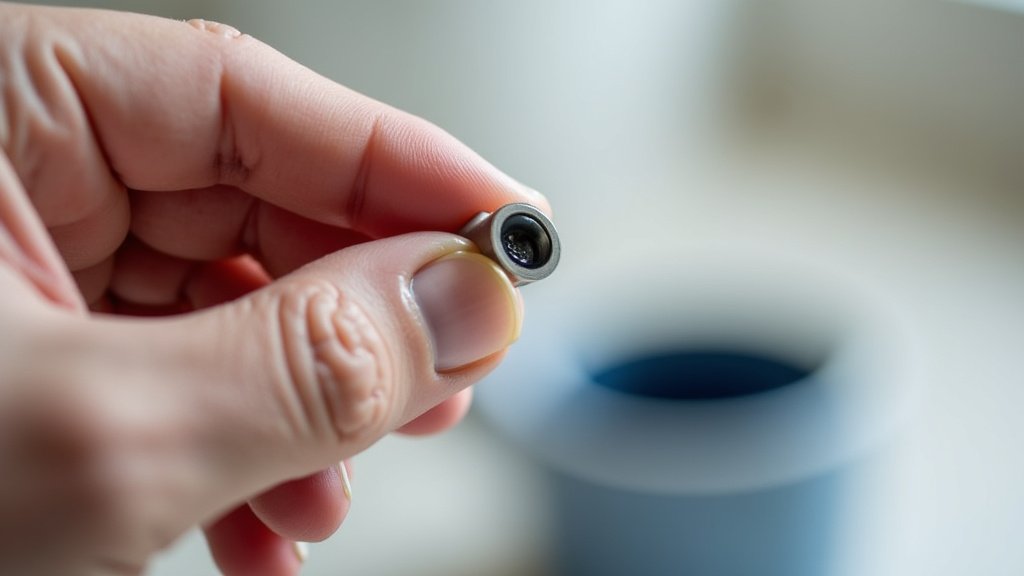
How Often Should You Clean Your Hearing Aid Domes?
Consistency is key. Aim for a quick brush-out daily. A more thorough cleaning should happen a few times a week. Or whenever you notice buildup. Your audiologist can give you the best recommendation. They know your specific hearing aids. They can tailor advice for your ears.
Consider how much earwax you produce. You might need to clean more often. If you live in a humid environment, that can affect things too. Listen to your hearing aids. If the sound seems muffled, it’s probably time for a clean.
Troubleshooting Common Dome Cleaning Issues
Sometimes things don’t go perfectly. Don’t worry, we can help.
Stubborn Earwax
For very stubborn wax, try a dedicated hearing aid cleaning solution. Let it sit for a minute as directed. Then gently brush again. Sometimes a bit of soaking in the solution helps. Always follow product instructions.
Dome Still Sounds Muffled After Cleaning
If cleaning doesn’t fix the muffled sound, the dome might be damaged. It could have a tiny tear. Or the sound ports might be permanently blocked. It might be time to replace the dome. Domes are usually inexpensive. They are designed to be replaced periodically.
Dome is Difficult to Remove or Reattach
If a dome is very hard to get on or off, check for damage. It could be warped. Or there might be debris stuck where it connects. If it’s a new dome, it might just need a little breaking in. If it’s old, it might be time for a replacement.
We found that keeping a small checklist can help you remember the important steps.
Your Hearing Aid Dome Cleaning Checklist:
- Daily Brush-off: Gently brush away visible wax after use.
- Weekly Soak/Wipe: Use cleaner or mild soap and water.
- Rinse Properly: If using soap, rinse thoroughly with water.
- Dry Completely: Ensure no moisture remains before reattaching.
- Inspect for Damage: Look for tears or wear. Replace if needed.
- Store Safely: Keep hearing aids and domes in a clean, dry place.
Conclusion
You’ve learned how simple it can be to keep your hearing aid domes clean and clear. Regular, gentle cleaning with the right tools prevents muffled sound and protects your devices. Remember to always detach the dome before cleaning and ensure it’s completely dry before reattaching. A consistent routine, even just a quick daily brush-off, makes a big difference. If you notice persistent issues, don’t hesitate to consult your audiologist or consider replacing the dome. Your hearing deserves the best!
Frequently Asked Questions
How often should I really clean my hearing aid domes?
Aim for a quick, gentle brush-out of visible debris every day. A more thorough cleaning with solution or mild soap and water is recommended a few times a week, or whenever you notice earwax buildup. Adjust this based on your personal needs and your audiologist’s advice.
Can I use rubbing alcohol to clean my hearing aid domes?
No, you should absolutely avoid rubbing alcohol and other harsh chemicals like acetone. These can damage the dome material, making it brittle or sticky over time. Stick to specialized hearing aid cleaners or a very mild, unscented soap.
What should I do if my dome is stubbornly clogged with wax?
For tough earwax, a dedicated hearing aid cleaning solution can be very effective. Follow the product instructions carefully; some solutions allow for a brief soaking period. After treatment, gently brush again. If it remains clogged, it might be time to replace the dome.
Is it okay to soak my hearing aid domes in water?
You can rinse your domes with lukewarm water if you’ve used mild soap, but avoid prolonged soaking. Over-soaking can potentially damage the material. Always ensure the dome is completely dry before reattaching it to your hearing aid.
My hearing aid dome feels sticky after cleaning. What went wrong?
A sticky feeling often means either too much soap was used and not rinsed off properly, or a harsh chemical cleaner was used. Next time, use only a tiny drop of mild soap and rinse very thoroughly. If you used a chemical cleaner, you may need to replace the dome.