How to Prevent Moisture Damage in Hearing Aids?
On this page (8 sections)
- Keeping Your Hearing Aids Dry: A Practical Guide
- Daily Drying: Your First Line of Defense
- Investing in a Hearing Aid Dehumidifier: The Nightly Soak
- Protecting Your Hearing Aids from Environmental Moisture
- Understanding Your Hearing Aid’s Resistance Level
- Troubleshooting and When to Seek Help
- Conclusion
- Frequently Asked Questions
Keeping your hearing aids dry is key to preventing moisture damage. You can protect them by using a hearing aid dehumidifier daily and drying them thoroughly after exposure to sweat or rain. This simple habit helps maintain their function and lifespan, saving you from costly repairs.
Moisture is the enemy of delicate electronics like hearing aids. Water and sweat can corrode internal components, leading to sound distortion or complete failure. Many experts recommend consistent drying as the most effective way to combat this common issue and ensure your devices work reliably.
- Use a dehumidifier every night.
- Wipe your hearing aids dry after use.
- Avoid showering or swimming with them on.
- Store them in a dry, safe place.
Let’s walk through exactly how you can keep your hearing aids safe from moisture, step by step. We’ve found these methods are simple and highly effective.
Keeping Your Hearing Aids Dry: A Practical Guide
Moisture is the silent enemy of your hearing aids. You might not think much about a little sweat or humidity, but it can slowly damage the delicate electronics inside. This damage can lead to sound issues and shorten the life of your devices. Fortunately, preventing this is simpler than you might think. For advice about another everyday product exposure, read our guide to hairspray and hearing aid safety. We’ve found that a few consistent habits can make a huge difference.
Think of your hearing aids like tiny, sophisticated computers designed for your ears. Just like any electronic device, water and moisture can cause corrosion and short circuits. This isn’t just an inconvenience; it can lead to expensive repairs or even necessitate replacement. The good news is that you have a lot of control over how much moisture your hearing aids encounter.
Daily Drying: Your First Line of Defense
The most important step you can take is to dry your hearing aids every single day. This habit should be as routine as brushing your teeth. Even if you haven’t been in a particularly wet environment, sweat from daily activities can accumulate.
Wiping Them Down: The Quick Fix
After you take your hearing aids out for the night, the first thing you should do is gently wipe them down. Use a soft, dry cloth that won’t leave lint behind. A microfiber cloth is ideal. Pay attention to any visible moisture or earwax, as these can also trap moisture.
Many people wonder if a tissue will work. While a tissue can absorb some moisture, it can also break apart and leave small fibers on your hearing aids. A dedicated cleaning cloth or a soft, lint-free cloth is a much better choice. You want to be thorough but gentle. Avoid using paper towels, as they can be abrasive.
Using a Hearing Aid Brush: Tackling Hidden Spots
Sometimes, moisture can get into small crevices that a cloth can’t reach. This is where a hearing aid brush comes in handy. These brushes are designed to be small and soft, perfect for cleaning around the microphone ports, battery compartment, and earwax guards. Gently brush these areas to remove any debris or accumulated moisture.
When you use the brush, be sure to do so gently. You don’t want to push debris further into the device. The goal is to dislodge and remove anything that could trap moisture. We found that incorporating this into your nightly routine takes less than a minute.
Investing in a Hearing Aid Dehumidifier: The Nightly Soak
While wiping and brushing are essential, they don’t remove all the trapped moisture. This is where a hearing aid dehumidifier becomes incredibly useful. These devices are specifically designed to pull moisture away from your hearing aids.
How Dehumidifiers Work
Hearing aid dehumidifiers come in a few varieties. Some are simple, airtight containers that use desiccants (like silica gel beads) to absorb moisture. Others are electric, using a gentle warming element to evaporate moisture. Both types aim to create a dry environment for your hearing aids overnight.
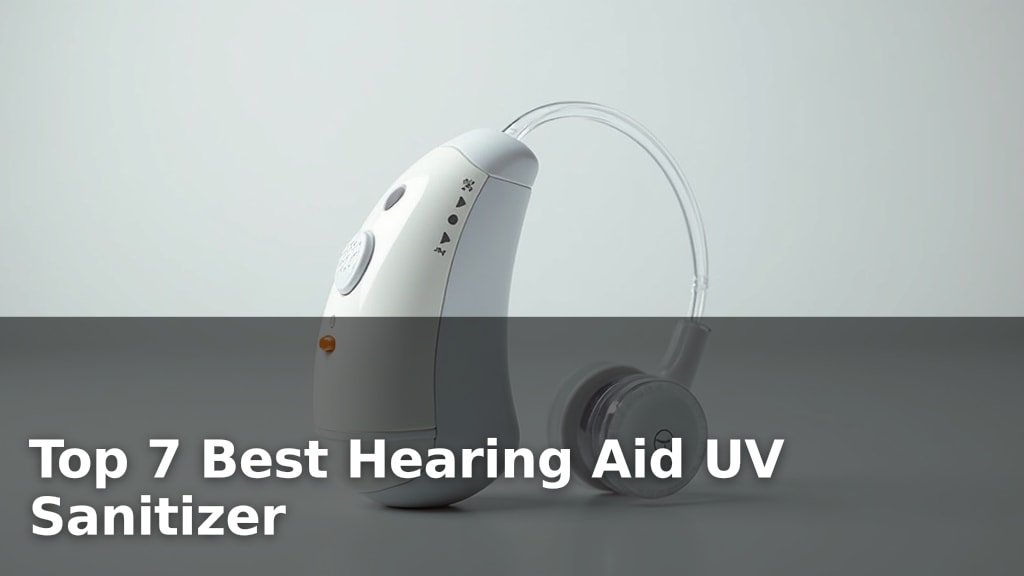
The electric models often provide a more thorough drying process. They typically have a small heating element that warms the inside of the case to an optimal temperature for drying without damaging the hearing aids. Many of these also include a UV light feature, which can help sanitize your devices, killing germs and bacteria. This can be a great bonus for hygiene.
Choosing the Right Dehumidifier
When selecting a dehumidifier, consider your lifestyle and environment. If you live in a very humid climate or tend to sweat a lot, an electric model might be worth the investment. If you’re looking for a simple, portable option, a desiccant-based dryer can be very effective. Many audiologists recommend them, and they are widely available.
Some desiccant dryers require you to periodically reactivate the drying beads, usually by microwaving or air-drying them. Electric dryers are generally plug-and-play. Regardless of the type, make sure it’s specifically designed for hearing aids to ensure the temperature and drying process are safe for your devices. We found that the electric ones are often preferred for their consistent performance.
Making Dehumidification a Habit
The key to any dehumidifier is consistent use. Place your hearing aids in the dehumidifier every single night. Even on dry days, overnight drying helps maintain their optimal performance and longevity. It’s a small effort that pays off significantly. Think of it as giving your hearing aids a spa treatment each night.
Protecting Your Hearing Aids from Environmental Moisture
Beyond your daily routine, you also need to be mindful of when and where you wear your hearing aids. Certain activities and environments can expose them to significant moisture.
Sweat: The Silent Killer During Exercise
Exercise is great for your health, but it can be tough on your hearing aids. Sweat can drip directly into the microphone ports and other openings. If you’re a runner, cyclist, or engage in any strenuous activity, take extra precautions.
- Consider wearing a sweatband to absorb forehead moisture.
- Wipe your hearing aids down immediately after your workout.
- If possible, remove your hearing aids during very intense or prolonged exercise and use them only when necessary.
Some people even find that custom-molded hearing aid earmolds can help reduce sweat accumulation, though this is more for comfort than prevention of damage.
Rain and Humidity: Weathering the Storm
Sudden rain showers or simply being in a very humid environment can also pose a threat. If you get caught in the rain, follow your usual drying routine diligently. Don’t assume they’ll just dry on their own.
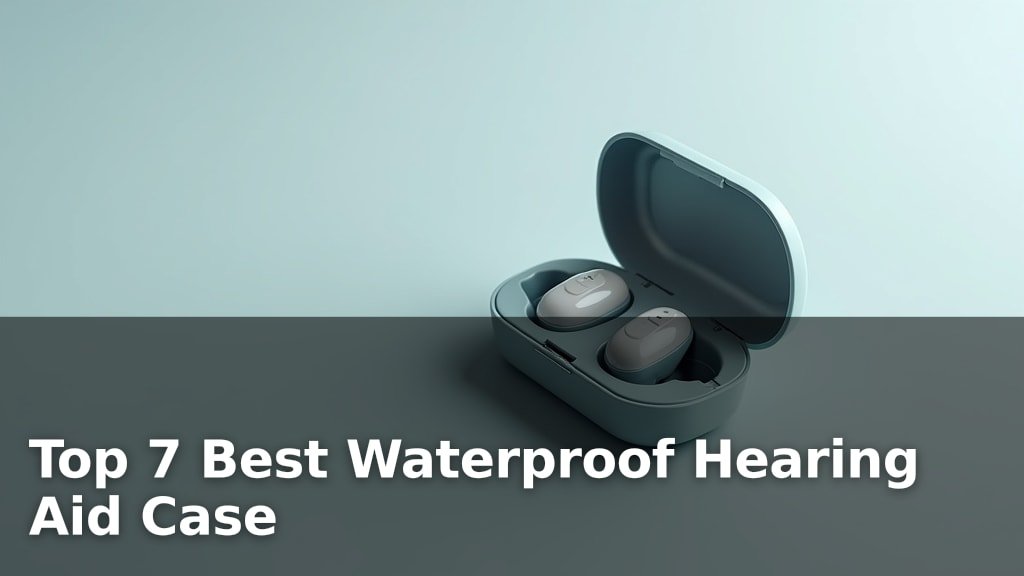
For very humid days, consider carrying a small, airtight case for your hearing aids. If you feel your ears getting moist or notice condensation, you can temporarily store them in the case. This is especially helpful if you’re visiting a place with high humidity, like a tropical vacation spot.
Water Activities: When to Leave Them Behind
Showering, swimming, and even hot tubs are absolute no-gos for hearing aids. These activities involve direct and prolonged exposure to water. Most modern hearing aids are water-resistant to some degree, but they are not waterproof. Immersion in water can cause immediate and severe damage.
Always remove your hearing aids before showering, bathing, or swimming. Store them in a safe, dry place where they won’t accidentally get wet. A dedicated hearing aid case is perfect for this. If you enjoy water sports, invest in waterproof cases or consider leaving your devices at home for those activities.
Understanding Your Hearing Aid’s Resistance Level
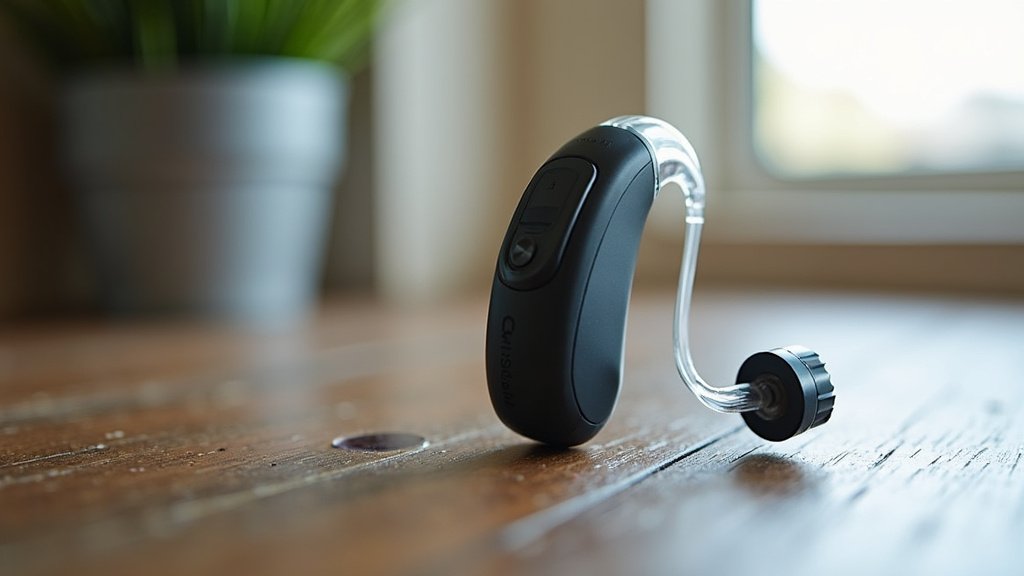
Not all hearing aids are created equal when it comes to moisture resistance. Manufacturers often provide an Ingress Protection (IP) rating for their devices. This rating tells you how well the hearing aid is protected against dust and water.
An IP rating typically looks like “IP67” or “IP68.” The first digit relates to dust protection, and the second relates to water protection. A higher second digit means better water resistance. For example, an IP68 rating generally indicates that the device can withstand immersion in water under specific conditions (depth and time), which is determined by the manufacturer.
Always check your hearing aid’s manual or ask your audiologist about its specific IP rating. This will give you a better understanding of what level of moisture exposure it can handle. However, remember that even high IP ratings don’t mean they are completely impervious to water damage, especially from saltwater or chlorinated pool water.
Troubleshooting and When to Seek Help
Despite your best efforts, sometimes moisture damage can still occur. If you notice any changes in your hearing aid’s performance, such as:
- Intermittent sound
- Distorted audio
- No sound at all
- Unusual beeping noises
It’s possible moisture is the culprit. If you suspect damage, try drying your hearing aid more thoroughly using your dehumidifier overnight. If the problem persists, contact your audiologist or hearing healthcare professional. They have the tools and expertise to diagnose the issue and recommend the best course of action.
Don’t try to open or “fix” your hearing aids yourself, as this can void your warranty and cause further damage. Let the professionals handle it. They can often clean and repair devices that have been affected by moisture.
A Quick Checklist for Moisture Prevention
To help you remember the key steps, here’s a simple checklist:
- Daily Drying: Always wipe your hearing aids dry after removing them.
- Nightly Dehumidifier Use: Place them in a dehumidifier every night.
- Exercise Caution: Take extra steps to protect them during physical activity.
- Weather Awareness: Be mindful of rain and high humidity.
- Water Activity Rule: Never shower or swim with your hearing aids on.
- Professional Check-ups: Visit your audiologist for regular maintenance.
Conclusion
You’ve learned that keeping your hearing aids dry is a simple but vital part of their care. By making daily drying and nightly dehumidification a habit, you create a powerful defense against moisture damage. Remember to be mindful of sweat during exercise and avoid water activities altogether. Taking these steps consistently will help your hearing aids perform their best and last longer. Protect your investment and your hearing by making moisture prevention a priority starting today.
Frequently Asked Questions
How often should I use a hearing aid dehumidifier?
You should use your hearing aid dehumidifier every single night. This consistent drying is the most effective way to remove trapped moisture overnight. Even if your day wasn’t particularly wet, this habit ensures optimal performance and device longevity.
Can I use a regular glasses cleaning cloth on my hearing aids?
It’s best to use a soft, lint-free cloth, like a microfiber cloth, specifically designed for electronics or hearing aids. While a glasses cloth might seem similar, some can leave behind fibers or be too abrasive. Gentle wiping is key to avoiding damage.
What should I do if my hearing aids get wet from sweat during exercise?
If your hearing aids get wet from sweat, remove them immediately. Gently wipe them down with a dry cloth and then place them in your dehumidifier overnight. For intense workouts, consider using a sweatband or removing them if possible.
Are all hearing aids waterproof?
No, not all hearing aids are waterproof. Many have some level of water resistance, indicated by an IP rating, but they are not designed for submersion. Never shower, swim, or expose them to prolonged water contact.
My hearing aid sounds muffled. Could it be moisture damage?
Yes, muffled or distorted sound is a common symptom of moisture damage. Try placing your hearing aids in the dehumidifier overnight. If the sound quality doesn’t improve, contact your audiologist for professional assessment and cleaning.