Is It Worth Getting a Hearing Aid Dehumidifier?
On this page (8 sections)
Yes, a hearing aid dehumidifier is generally worth the small investment for most hearing aid users. It helps protect your devices from moisture damage, which can lead to costly repairs and shorten their lifespan. Proper drying is key to keeping your hearing aids working their best.
Moisture is a hearing aid’s worst enemy. Sweat, humidity, and even earwax can build up inside. This moisture can corrode delicate parts. A dehumidifier actively removes this dampness. It’s a simple way to ensure your hearing aids perform reliably day after day.
- Hearing aid dehumidifiers protect against moisture.
- They can prevent costly repairs.
- Regular drying extends hearing aid life.
- It’s a simple, affordable maintenance step.
Let’s walk through exactly why a dehumidifier can be a smart choice for your hearing aids.
Should You Invest in a Hearing Aid Dehumidifier?
This is a question many hearing aid users ponder. You’ve made a great investment in your hearing. Now you want to keep those devices working perfectly. A hearing aid dehumidifier is a small tool that plays a big role. It helps combat moisture. Moisture is one of the biggest enemies of your hearing aids. Let’s look at why it matters so much.
Why Moisture is a Hearing Aid’s Nemesis
Think of your hearing aids as tiny, sophisticated computers. They have delicate electronics inside. These electronics don’t react well to water. Moisture can come from many sources. Sweat is a common culprit, especially if you’re active. Humidity in the air also plays a part. Even earwax can trap moisture. When moisture gets inside, it can cause real problems.
The Corrosion Connection
Over time, moisture can corrode the internal components. This is like rust forming on metal, but much smaller and more damaging. Corrosion can lead to signal interference. It might cause your hearing aids to suddenly stop working. Sometimes, the damage is so severe that it can’t be repaired easily. You might face expensive repair bills or even need to replace the device.
Impact on Performance
Even if it doesn’t cause outright failure, moisture can affect how your hearing aids perform. You might notice poorer sound quality. Static or crackling sounds can become common. The devices might seem less effective at amplifying speech. This means you’re not getting the full benefit of your investment. Keeping them dry is key to consistent performance.
How a Hearing Aid Dehumidifier Works
A hearing aid dehumidifier is designed to be simple and effective. Most are small boxes. You place your hearing aids inside them at night. They work by absorbing moisture. Some use a desiccant material. Others might have a gentle, low-heat drying system. The goal is always the same: to pull moisture away from your devices. The easiest way to dry out wet hearing aids is to use a hearing aid dehumidifier or a drying box immediately.
Types of Dehumidifiers
There are a few main types you’ll encounter. Understanding them can help you choose the best one for your needs.
Desiccant-Based Dryers
These are the most common and often the most affordable. They contain a material that naturally absorbs moisture, like silica gel. You might need to “recharge” the desiccant periodically. This usually involves microwaving it or placing it in a warm oven for a short time. They are passive and don’t require electricity.
Electric Drying and Sanitizing Boxes
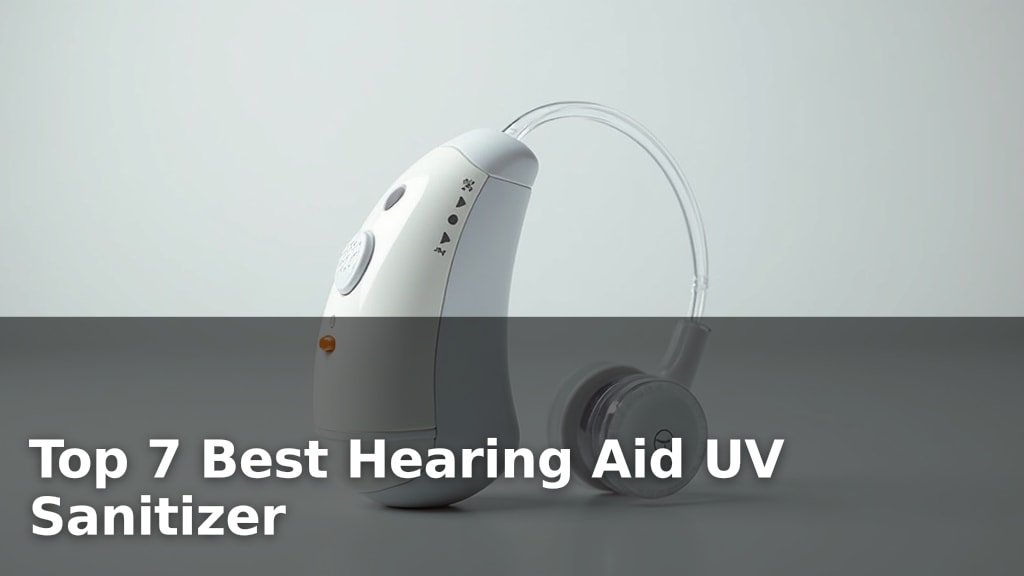
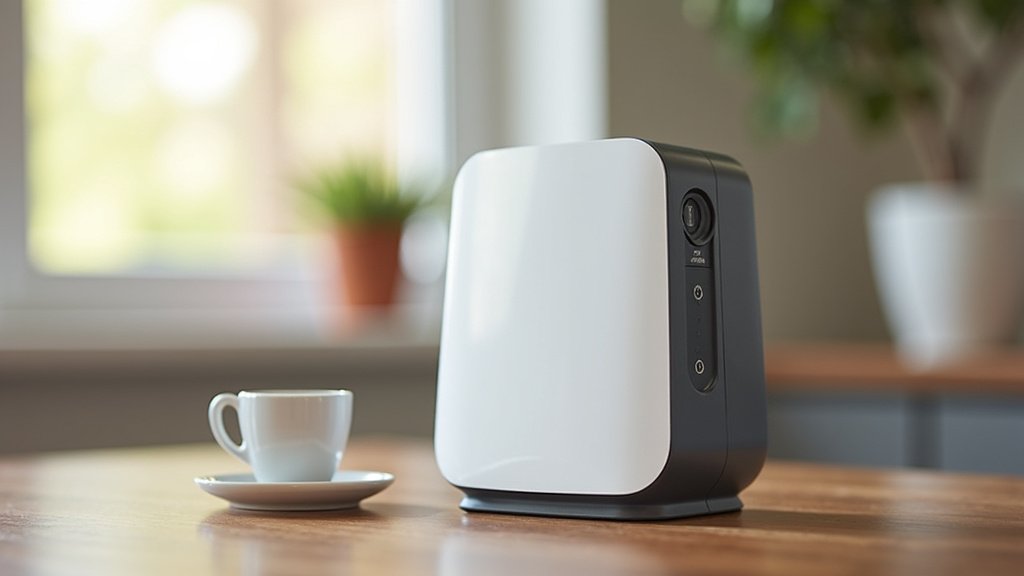
These devices use a small amount of heat and sometimes UV light. The heat helps evaporate moisture. The UV light can help sanitize your hearing aids, killing bacteria and reducing odors. These typically need to be plugged into an outlet. They offer a more active drying process and extra benefits like sanitizing.
Combination Units
Some models combine both desiccant and electric drying. They might use a desiccant core but also incorporate gentle heat. This offers a robust approach to moisture removal. You get the convenience of electric drying plus the absorption power of a desiccant.
Protecting Your Hearing Aid Investment
Let’s be honest, hearing aids aren’t cheap. They represent a significant financial and personal investment. Protecting them should be a priority. A dehumidifier is a small price to pay for preserving that investment.
Preventing Costly Repairs and Replacements
We found that moisture-related damage is a leading cause of hearing aid malfunction (National Institute on Deafness and Other Communication Disorders). Repairing corroded circuits can be expensive. A backup pair of hearing aids can help you manage while a device is being serviced. Sometimes, the warranty might not cover water damage, leaving you with the full cost. A dehumidifier acts as a preventative measure. It can help you avoid those unexpected, high repair bills.
Extending the Lifespan of Your Devices
Just like any electronic device, hearing aids have a lifespan. However, proper care can extend it. By regularly removing moisture, you reduce wear and tear on the internal components. This helps ensure your hearing aids function optimally for as long as possible. You get more years of reliable use out of them. It’s a simple step for long-term performance.
Is a Dehumidifier Necessary for Everyone?
While highly recommended, the need can vary. Some people naturally produce less earwax or sweat. If you live in a very dry climate, you might encounter less humidity. However, even in dry climates, personal sweat and residual moisture can build up.
Considering Your Lifestyle and Environment
Are you very active? Do you exercise regularly? Do you live in a humid region? If you answered yes to any of these, a dehumidifier is almost certainly a good idea. Even if you’re not particularly active, everyday humidity and body heat can affect your hearing aids.
The Role of Modern Hearing Aids
Today’s hearing aids are more resilient than older models. Many have improved water resistance. However, this doesn’t make them waterproof. They are still susceptible to damage from prolonged exposure or deep immersion. A dehumidifier provides an extra layer of protection that even water-resistant devices can benefit from.
Think of it like a good raincoat. Your raincoat might be water-resistant, but you still wouldn’t want to stand in a downpour for hours without an umbrella. The dehumidifier is like that umbrella for your hearing aids. It offers added defense against the elements.
Making the Right Choice for You
When choosing a dehumidifier, consider a few things. How much do you want to spend? Do you prefer a simple, passive option, or do you want the added benefits of electric drying and sanitizing? Think about ease of use and whether you have access to an electrical outlet near where you store your hearing aids.
Cost vs. Benefit Analysis
Hearing aid dehumidifiers range from $20 to $100 or more. Compare this to the potential cost of repairing or replacing a hearing aid, which can be hundreds or even thousands of dollars. The financial benefit of preventing damage is clear. You’re looking at a very small cost for significant protection.
Ease of Use and Routine
The best dehumidifier is the one you’ll actually use. Look for a system that fits easily into your nightly routine. Placing your hearing aids in the box takes just a few seconds. Making it a habit is the key to consistent results. It’s a simple action that yields powerful protection.
Here’s a quick checklist to see if a dehumidifier is right for you:
- Do you sweat a lot, even during normal daily activities?
- Do you live in a humid climate?
- Do you often feel like your hearing aids aren’t performing as well as they could?
- Are you looking for ways to protect your hearing aid investment?
- Do you want to potentially extend the lifespan of your hearing aids?
- Are you seeking a simple, low-cost maintenance step?
If you checked most of these boxes, then yes, a hearing aid dehumidifier is likely a very worthwhile addition to your hearing aid care routine.
Conclusion
You’ve made a smart choice by investing in your hearing. Protecting that investment is just as important. A hearing aid dehumidifier offers simple, affordable defense against moisture damage. It actively combats the elements that can lead to costly repairs and reduce your devices’ lifespan. By incorporating this small habit into your routine, you ensure your hearing aids perform their best for years to come. Take the next step today and consider adding a dehumidifier to your hearing aid care kit for peace of mind and optimal performance.
Frequently Asked Questions
How often should I use my hearing aid dehumidifier?
You should use your hearing aid dehumidifier every night. This ensures that any moisture accumulated during the day is removed while you sleep. Consistent daily use is the most effective way to protect your devices.
Can I use a regular container instead of a dehumidifier?
While any enclosed container can offer minimal protection, it won’t actively remove moisture. A dedicated hearing aid dehumidifier contains desiccants or uses gentle heat to draw out dampness. This active drying process is essential for preventing corrosion and damage.
Will a dehumidifier dry out my ears?
No, a hearing aid dehumidifier only dries the devices themselves. It is designed to be used when your hearing aids are placed inside the unit overnight. It does not affect the moisture levels in your ear canal.
Are electric dehumidifiers safe for my hearing aids?
Yes, electric dehumidifiers are designed with safety in mind. They use gentle, low heat or UV light that is safe for the delicate components of hearing aids. Always follow the manufacturer’s instructions for your specific model.
My hearing aids are water-resistant, do I still need a dehumidifier?
Even water-resistant hearing aids are not waterproof and can still be damaged by persistent moisture. Sweat, humidity, and earwax can build up over time. A dehumidifier provides an extra layer of protection to ensure your devices stay dry and function optimally.