What Is a Hearing Aid Dehumidifier?
On this page (7 sections)
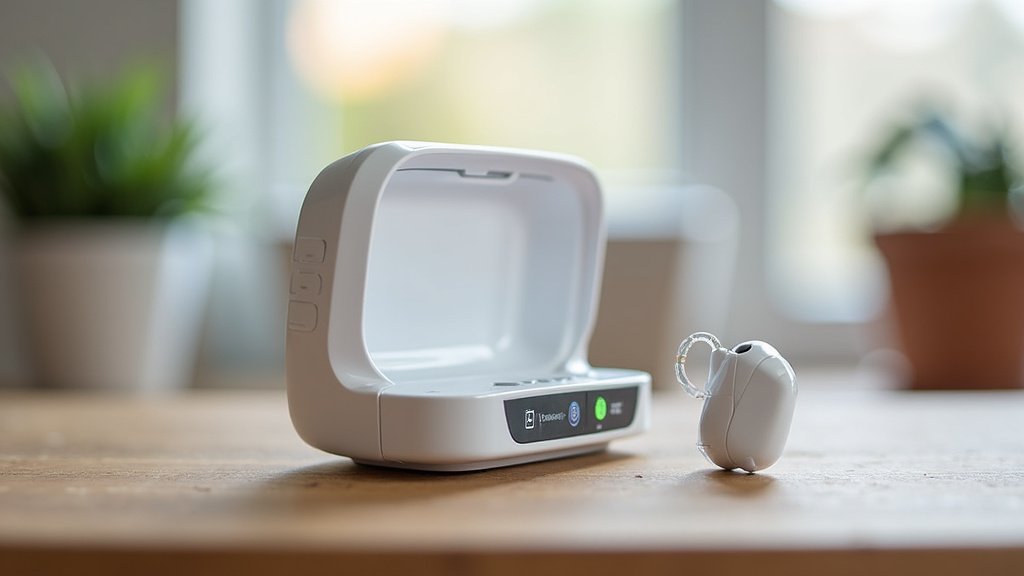
A hearing aid dehumidifier is a small device designed to remove moisture from your hearing aids. For related guidance, see Hearing Aid Vacuum Cleaner. This is crucial because sweat, humidity, and earwax can damage the delicate electronics inside. Keeping your hearing aids dry helps them perform better and last longer.
Think of it as a tiny, specialized safe for your hearing devices. Moisture is the enemy of small electronics. Regular use of a hearing aid dehumidifier is a simple yet effective way to protect your investment. Many audiologists and hearing aid manufacturers recommend them to prevent costly repairs.
- A hearing aid dehumidifier is a drying device for your hearing aids.
- It removes moisture like sweat and humidity.
- This protects the electronics inside your hearing aids.
- It helps ensure your hearing aids work correctly and last longer.
- It’s a simple way to prevent damage and save on repairs.
Let’s dive into why these little boxes are so important and how they work to keep your hearing aids in top shape. For related guidance, see Shower Hearing Aids. You’ll see how easy it is to add this step to your daily routine.
Understanding Your Hearing Aid’s Moisture Problem
Your hearing aids are tiny marvels of technology. For related guidance, see Swim Hearing Aids. They fit snugly in or behind your ears. But this close contact means they’re constantly exposed to moisture. This moisture comes from a few surprising sources. Your body heat can cause condensation. Sweat is a big contributor, especially during exercise or warm weather. Even the natural humidity in the air can get inside.
This moisture can be a real problem for your hearing devices. Think of the delicate electronic components. They aren’t designed to handle being damp. Over time, this moisture can lead to corrosion. It can degrade the sound quality you experience. In worse cases, it can cause complete failure and expensive repairs.
Where Does the Moisture Come From?
Let’s break down the main culprits behind hearing aid moisture. It’s not just about swimming (though that’s a no-no for most aids!).
Body Heat and Condensation
Your ears are naturally warm places. When you wear hearing aids, they trap that warmth. This can create tiny water droplets, like dew on a windowpane. This happens even if you’re not sweating. It’s a constant, low-level moisture source.
Sweat, Sweat, Go Away!
This is a big one for many people. Whether you’re working out, gardening, or just living in a humid climate, sweat is inevitable. Hearing aids, especially in-ear models, can collect a surprising amount of perspiration. This salty liquid is particularly corrosive to electronics.
Environmental Humidity
The air around you plays a role too. If you live in a region with high humidity, your hearing aids are constantly exposed to it. This moisture can slowly seep into the device over time, contributing to the overall problem.
Earwax Buildup
While earwax itself isn’t water, it can trap moisture. It can create a barrier that prevents the natural evaporation of any moisture that does get in. Some earwax removers also contain liquids that can affect your hearing aids if not used carefully.
Why Drying Your Hearing Aids Matters So Much
So, why is keeping your hearing aids dry such a big deal? It boils down to preserving their performance and longevity. Let’s look at the benefits of a good drying routine.
Preventing Sound Quality Degradation
Moisture can interfere with the tiny microphones and receivers in your hearing aids. This interference can cause distorted sound, static, or a complete loss of hearing. A dry hearing aid delivers the clear, crisp sound you expect. It ensures you don’t miss out on conversations or important sounds.
Extending the Lifespan of Your Devices
Electronics and water just don’t mix well. Corrosion is a silent killer of hearing aid components. By removing moisture regularly, you significantly reduce the risk of internal damage. This means your hearing aids are likely to last longer before needing replacement. It’s like giving them a longer, healthier life!
Reducing the Need for Costly Repairs
When moisture damage occurs, repairs can be very expensive. Sometimes, a hearing aid might be beyond repair. Investing in a simple drying device is a small cost compared to replacing a damaged hearing aid. It’s a smart way to protect your investment and avoid unexpected bills.
Ensuring Reliable Daily Performance
You rely on your hearing aids to function correctly every single day. For related guidance, see Hearing Aids That Don T. You don’t want to face a situation where they suddenly stop working because of moisture. Regular drying ensures they are always ready to go. You can be confident that your hearing aids will perform as they should, when you need them most.
How Hearing Aid Dehumidifiers Work Their Magic
You might be wondering, how does a small box get rid of moisture? Hearing aid dehumidifiers use a few different methods to achieve this. The goal is always the same: to create a dry environment for your aids overnight.
Passive Drying with Desiccants
Many dehumidifiers are quite simple. They use a desiccant material. This is a substance that absorbs moisture from the air. Common desiccants include silica gel beads, often found in those little packets in new shoes. You place your hearing aids inside the box, close it, and the desiccant does its work.
Some of these desiccant packs are reusable. You might need to “recharge” them by placing them in a microwave or oven for a short time to drive off the absorbed moisture. Others might need to be replaced every few months. We found these are a great budget-friendly option for many users.
Active Drying with Heat and/or Fans
More advanced dehumidifiers use gentle heat and sometimes a small fan. These devices plug into a wall outlet or use batteries. They circulate warm air around your hearing aids. This warm air helps to evaporate any moisture present.
The heat used is very low and controlled. It’s not hot enough to damage your hearing aids. Many experts recommend these active dryers because they can be more effective than passive methods. They offer a more thorough drying process. Some even include a UV light feature to help sanitize your aids, though the primary function remains drying.
The Overnight Routine: A Simple Process
Using a hearing aid dehumidifier is usually very straightforward. You’ll get into a routine that takes mere seconds each night. This simplicity is key to long-term use.
- When you take your hearing aids out at night, open the battery doors or turn them off.
- Place them carefully inside the dehumidifier box.
- Close the lid securely.
- If it’s a desiccant type, simply leave it overnight.
- If it’s an electric type, ensure it’s plugged in or powered on.
By the morning, your hearing aids will have spent hours in a dry, safe environment. This consistent drying is what makes a real difference. It’s a small habit that pays off big time.
Choosing the Right Hearing Aid Dehumidifier for You
With several options available, how do you pick the best one? Consider your lifestyle and budget. We found that understanding the main types helps make this decision easier.
| Type | How it Works | Pros | Cons |
|---|---|---|---|
| Passive (Desiccant) | Uses moisture-absorbing material (like silica gel) | Inexpensive, portable, no electricity needed | Requires desiccant replacement/recharging, may be less effective in very humid conditions |
| Active (Heated/Fan) | Uses gentle heat and/or a fan to circulate dry air | More effective drying, faster drying times, often sanitizing options | Requires electricity (plug-in or battery), more expensive |
Factors to Consider
When making your choice, think about these points:
- Your Climate: If you live in a very humid area, an active dryer might be a better investment.
- Your Activity Level: Heavy sweaters will benefit from a more powerful drying solution.
- Portability Needs: Do you travel often? A small, non-electric desiccant dryer is very convenient.
- Budget: Passive dryers are generally more affordable upfront. Active dryers have a higher initial cost but can save on replacement desiccant packs.
- Ease of Use: Both types are generally simple, but consider if you want to deal with recharging desiccant packs or prefer just plugging something in.
Making Dehumidifying a Habit: Your Checklist
Integrating this into your daily routine is simple. Follow these steps to ensure your hearing aids stay dry and perform their best:
- Nightly Removal: Take out your hearing aids before you go to sleep.
- Open Battery Doors: Always open the battery compartment on your hearing aids. This allows air to circulate.
- Place in Dryer: Put your hearing aids into your chosen dehumidifier.
- Close Securely: Make sure the lid of the dehumidifier is shut tightly.
- Power/Placement: If electric, plug it in. If desiccant, place it in a safe spot.
- Morning Retrieval: Your aids should be dry and ready for you in the morning!
This simple process can make a world of difference. It’s a small step that preserves the quality and lifespan of your hearing instruments. Many audiologists consistently recommend this practice to their patients.
Conclusion
You’ve learned how vital a hearing aid dehumidifier is for keeping your devices working well. Moisture from sweat, heat, and humidity is a constant threat to their delicate electronics. By using a dehumidifier nightly, you actively protect your hearing aids from damage. This simple habit prevents costly repairs and ensures clear sound for longer. You can extend the life of your hearing aids and enjoy reliable performance. Make the small effort to dry your hearing aids each night – your ears will thank you for it!
Frequently Asked Questions
How often should I use my hearing aid dehumidifier?
You should use your hearing aid dehumidifier every single night. This consistent drying is what prevents moisture buildup over time. Making it a nightly habit is the best way to protect your hearing aids.
Are electric hearing aid dehumidifiers better than passive ones?
Electric dehumidifiers often provide a more thorough and faster drying process using gentle heat. Passive desiccants are simpler and don’t require power, but may be less effective in very humid environments. Your choice depends on your personal needs and climate.
Can I just leave my hearing aids out on a counter to dry?
Leaving hearing aids on a counter is not enough to remove internal moisture. Dehumidifiers create a controlled, dry environment specifically designed for this purpose. They actively absorb or evaporate moisture from within the hearing aid.
How do I know if my hearing aids are damaged by moisture?
Signs of moisture damage include sudden loss of sound, static, or distorted hearing. If your hearing aids start behaving erratically, especially after exposure to humidity or sweat, moisture could be the culprit. Regular drying helps prevent these issues.
Do I need to replace the desiccant in my dehumidifier?
Yes, most desiccant packs have a limited lifespan. You’ll likely need to recharge or replace them every few months, depending on the product and how often you use it. Check the manufacturer’s instructions for specific guidance.