What Is the Average Lifespan of a Hearing Aid?
On this page (7 sections)
The average lifespan of a hearing aid is typically 3 to 7 years. For over-the-counter models, see our guide to OTC hearing aid lifespan. This can vary depending on the type of hearing aid you have, how well you maintain it, and the quality of its original components. Many factors contribute to how long your device will effectively serve you.
Your hearing aid is a sophisticated piece of technology. Just like any electronic device, wear and tear are inevitable. Understanding its expected lifespan helps you plan for replacements and ensure you’re always hearing your best. We found that consistent care is key to maximizing its performance.
- Most hearing aids last 3-7 years.
- This depends on the model and care.
- Regular cleaning and maintenance help.
- Battery type also plays a role.
Let’s break down the factors that influence your hearing aid’s lifespan and what you can do to get the most out of it before it’s time for an upgrade.
Your hearing aids are amazing little devices. They help you connect with the world around you. But like any electronic gadget, they don’t last forever. So, how long can you expect them to work well?
How Long Can You Expect Your Hearing Aids to Last?
The general consensus from hearing health professionals is that most hearing aids last between 3 and 7 years. This is a good general range to keep in mind. Several factors can influence this, though. It’s not a one-size-fits-all answer.
Think of it like a car. A well-maintained car might last longer than one that’s neglected. The same applies to your hearing aids. Your usage patterns and the environment they’re in play a big role. We found that knowing these factors helps you manage expectations.
Factors Influencing Your Hearing Aid’s Lifespan
You might be wondering what exactly determines how long your hearing aid will keep working. Several key elements contribute to its longevity. Understanding these can help you make informed decisions about care and replacement.
1. Type of Hearing Aid
The style and technology of your hearing aid can impact its lifespan. Different types are built with varying levels of durability and complexity.
Behind-the-Ear (BTE) and Receiver-in-Canal (RIC) Models
These are often considered quite robust. They typically house the main electronics in a casing behind the ear. This design keeps them further away from earwax and moisture. They tend to be more resistant to daily wear and tear. Many guidelines suggest these models are often among the more durable options.
In-the-Ear (ITE) and Completely-in-Canal (CIC) Models
These devices sit directly in your ear canal. This makes them more susceptible to moisture and earwax buildup. While they are discreet, this placement can sometimes lead to a shorter functional life if not meticulously cleaned. We found that careful handling is especially important for these smaller devices.
2. Quality of Components and Manufacturing
Not all hearing aids are created equal. The quality of the internal components and the overall manufacturing process matter. Higher-end models might use more durable materials. They could also have better seals against environmental damage.
Many reputable brands invest heavily in research and development. This often translates to more reliable devices. However, even the best-made device will eventually show signs of age. We found that established hearing aid manufacturers generally offer products with a longer expected lifespan.
3. Your Environment and Usage Habits
Where and how you use your hearing aids makes a significant difference. Daily exposure to moisture and sweat is a major factor. If you’re very active or live in a humid climate, your aids work harder.
Think about the conditions your hearing aids face. Are they exposed to dust, extreme temperatures, or water? Even minor impacts from dropping them can cause internal damage. Many audiologists recommend taking precautions in harsh environments. This is especially true for outdoor activities.
4. Maintenance and Cleaning Routine
This is perhaps the most controllable factor you have. Consistent and correct cleaning is crucial. Earwax and debris can clog crucial components. Moisture can corrode internal parts over time.
Regular cleaning prevents these issues from shortening your hearing aid’s life. It also ensures they perform at their best. We found that users who follow their audiologist’s cleaning instructions tend to have fewer repair issues. This is a direct link to longevity. Following your audiologist’s cleaning instructions is vital for maintaining your hearing aid’s performance and lifespan.
5. Battery Type and Usage
The type of battery your hearing aid uses can also play a role. Most modern hearing aids use either disposable zinc-air batteries or rechargeable batteries.
Disposable Batteries
These are straightforward. You replace them when they run out. The hearing aid itself isn’t directly affected by battery changes. However, the battery contacts can sometimes corrode if exposed to moisture. We found that keeping battery compartments dry is key.
Rechargeable Batteries
These batteries have a limited number of charge cycles. Over time, like in any rechargeable device, their capacity diminishes. Eventually, they won’t hold a charge for as long. When this happens, the entire hearing aid may need to be serviced or replaced.
Many experts (Cleveland Clinic) note that the lifespan of the rechargeable battery itself is often a primary reason for hearing aid replacement in newer models. This can occur before the main electronics wear out.
Signs Your Hearing Aid May Be Nearing the End of Its Life
How do you know if your hearing aid is still going strong or if it’s time to start thinking about a new one? There are several common signs to watch out for. Recognizing these early can save you frustration.
Declining Sound Quality
Is the sound suddenly muffled, distorted, or inconsistent? This could mean an internal component is failing. It might also indicate a blockage that cleaning can’t resolve. You might find yourself constantly asking people to repeat themselves, even with the aid turned up.
Frequent Malfunctions and Repairs
If your hearing aid is constantly breaking down, requiring frequent trips to the audiologist, it might be on its last legs. Each repair can be costly. Sometimes, the cost of repairs approaches the cost of a new device. Many audiologists advise clients to consider replacement when repair costs become excessive. If your hearing aid requires frequent trips to the audiologist, it may be time for a repair or replacement.
Reduced Battery Life (for Rechargeable Models)
As mentioned, rechargeable batteries degrade. If you find yourself needing to charge your hearing aids multiple times a day, the battery is likely at the end of its usable life. This is a very common indicator for newer rechargeable models.
Lack of Connectivity or Features Not Working
Modern hearing aids offer many advanced features like Bluetooth connectivity. If these features start to become unreliable or stop working altogether, it could be a sign of internal component failure. This might be due to age or damage.
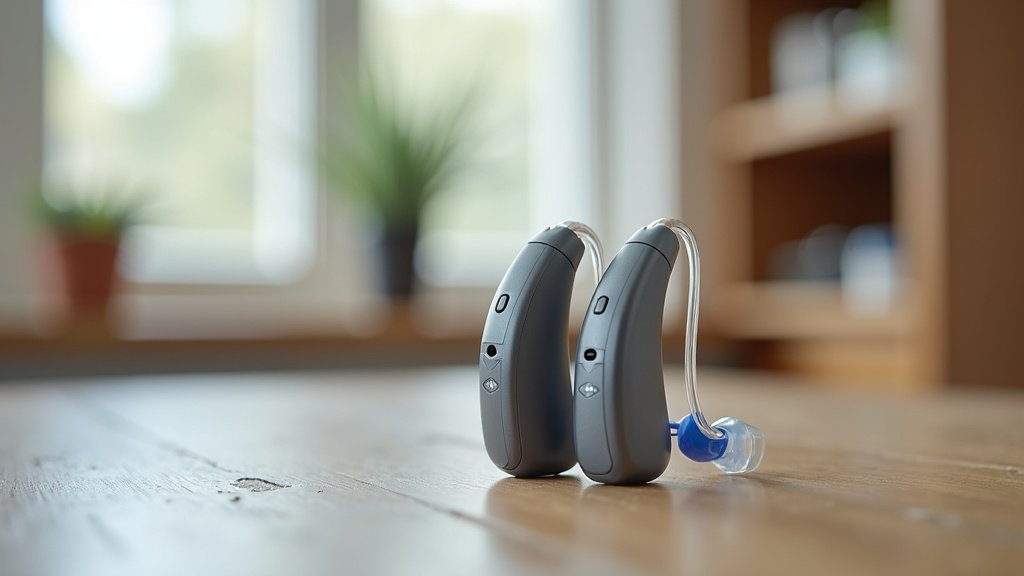
Maximizing Your Hearing Aid’s Lifespan: What You Can Do
Don’t worry, you’re not just along for the ride! There are practical steps you can take to help your hearing aids last as long as possible. These habits can save you money and ensure you always have clear hearing.
Here’s a handy checklist to help you keep your hearing aids in top shape:
- Clean them daily. Use a soft, dry brush and a cleaning tool recommended by your audiologist.
- Store them properly. Keep them in a dry, safe place when not in use, away from heat and moisture.
- Handle with care. Always hold them gently, especially when changing batteries or cleaning.
- Avoid moisture. Remove them before showering, swimming, or in very steamy environments.
- Protect from extreme heat. Don’t leave them in direct sunlight or a hot car.
- Get regular check-ups. Visit your audiologist for professional cleaning and checks.
Many audiologists agree that diligent daily care is the single most effective way to extend the life of your hearing aids. It’s like giving them a little daily spa treatment!
When It’s Time for an Upgrade
Even with the best care, hearing aids eventually reach their limit. Technology also advances rapidly. What was state-of-the-art five years ago might be outdated today.
If your hearing aids are consistently failing, sound quality has significantly degraded, or the cost of repairs is mounting, it’s probably time to consult your audiologist about new options. They can assess your current devices and discuss the latest advancements. You might be surprised by how much hearing technology has improved!
Conclusion
Your hearing aids are a vital connection to the world, and understanding their lifespan is key. We’ve seen that most devices offer 3 to 7 years of reliable service, but this is heavily influenced by factors like model type, careful maintenance, and your daily habits. By consistently cleaning your aids, protecting them from moisture and heat, and scheduling regular check-ups, you can significantly extend their functional life. If you notice sound quality declining or frequent malfunctions, it’s a clear sign it’s time to talk to your audiologist about upgrading to newer technology.
Frequently Asked Questions
How often should I replace my hearing aids?
Generally, you can expect to replace your hearing aids every 3 to 7 years. This timeframe isn’t set in stone and depends heavily on how well you care for them and their original design. Regular professional check-ups with your audiologist can help you gauge their condition and predict when an upgrade might be necessary.
Can I make my hearing aids last longer than 7 years?
While 7 years is the upper end of the average lifespan, it’s sometimes possible to extend it with exceptional care. Meticulous daily cleaning, strict avoidance of moisture and heat, and prompt attention to any issues can help. However, even well-maintained devices will eventually experience component wear or outdated technology, making replacement a good idea.
What’s the biggest factor in hearing aid longevity?
The most controllable factor that directly impacts your hearing aid’s lifespan is your maintenance and cleaning routine. Consistent, proper cleaning prevents earwax and debris buildup, which can damage delicate internal components. Following your audiologist’s specific cleaning instructions is your best bet for maximizing the device’s life.
Do rechargeable hearing aid batteries wear out faster?
Yes, rechargeable batteries in hearing aids have a limited number of charge cycles. Over time, they will hold less of a charge, requiring more frequent charging. This degradation of the battery is often a primary reason for replacing newer rechargeable hearing aid models, even if the main electronics are still functional.
Is it better to repair or replace my old hearing aids?
It’s generally more cost-effective to repair your hearing aids when they are relatively new or experiencing minor issues. However, if your hearing aids are several years old and require frequent, expensive repairs, it’s often wiser to invest in a new pair. Consult your audiologist; they can help you weigh the repair costs against the benefits of modern hearing technology.