What Is the Best Hearing Aid for Beginners?
On this page (3 sections)
For beginners, the best hearing aid is often an entry-level, receiver-in-canal (RIC) model because it offers a comfortable fit, great sound quality, and essential features without being overly complex. These models are generally easy to use and discreet, which is perfect when you’re just starting out.
You might feel overwhelmed by all the choices out there for your first hearing aid. Finding a device that balances simplicity with effective hearing support is key. We found that beginners often do best with hearing aids that are not too advanced but still provide clear sound and comfort.
- Entry-level RIC hearing aids are usually best for beginners.
- They offer a good balance of comfort, sound, and ease of use.
- You want something simple, effective, and discreet when starting out.
- Avoid overly complex features at first.
- Focus on clear sound and a comfortable fit.
Let’s walk through exactly what makes a hearing aid great for beginners and help you find the right fit for your needs.
Choosing Your First Hearing Aid: What Beginners Should Know
For your first venture into the world of hearing aids, focus on simplicity, comfort, and effective sound clarity. You don’t need all the bells and whistles right away.
Understanding Different Hearing Aid Styles for Beginners
When you first look at hearing aids, you’ll notice they come in several shapes and sizes. For beginners, some styles are much easier to get used to than others. We found that the style often dictates how comfortable and discreet the device will be.
Receiver-in-Canal (RIC) Hearing Aids: The Beginner’s Favorite
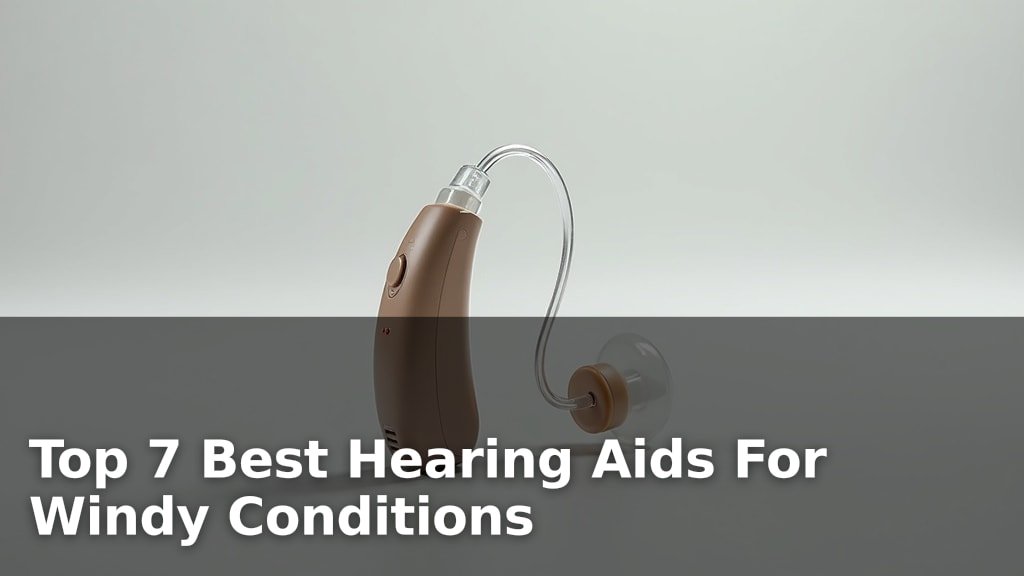
Many experts and users agree that Receiver-in-Canal (RIC) hearing aids are an excellent choice for first-time users. Why is that? Well, they strike a perfect balance. Most of the technology sits discreetly behind your ear, connected by a thin wire to a small speaker (the receiver) that rests comfortably inside your ear canal. This design makes them very popular.
You’ll find RICs offer a natural sound quality because the speaker is so close to your eardrum. They also feel less “plugged up” than some other styles. We’ve seen many new users appreciate how easy they are to handle and clean. Plus, they’re often barely noticeable to others.
- They are discreet and sit comfortably behind your ear.
- The sound is clear and natural.
- RICs are generally easy to use and maintain.
- They accommodate a wide range of hearing loss levels.
Behind-the-Ear (BTE) Hearing Aids: Robust and Powerful
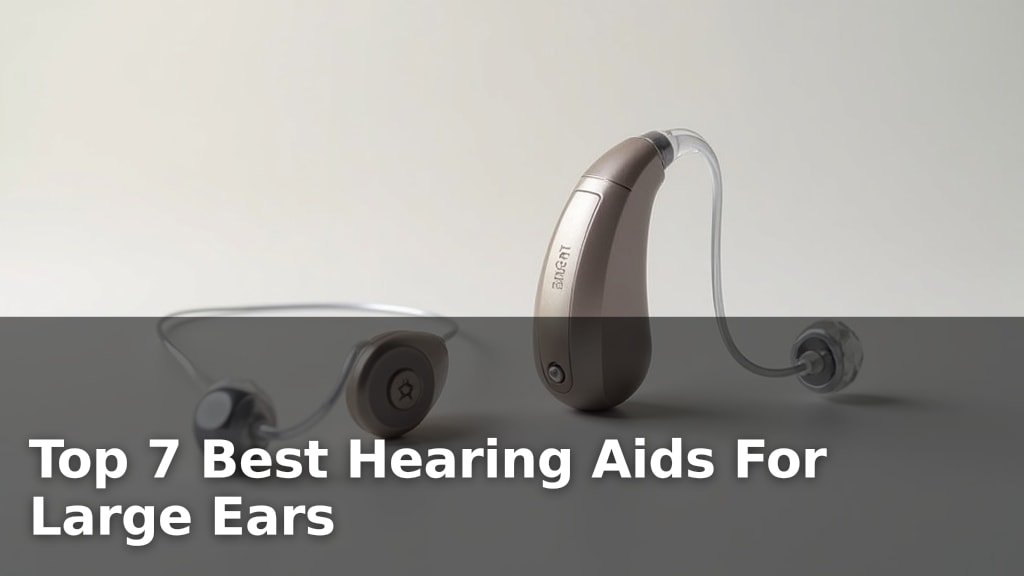
Another common style is the Behind-the-Ear (BTE) hearing aid. These are typically larger than RICs. The entire device sits behind your ear and connects to a custom earmold via a tube. BTEs are known for their durability and power, especially for more severe hearing loss.
While BTEs might be a bit more visible, they are often easier to manipulate for those with dexterity challenges. They’re also quite robust, resisting damage from moisture and dust better than some smaller models. For a beginner, a BTE could be a good choice if you need more amplification or prefer larger controls.
In-the-Ear (ITE) Hearing Aids: Custom Fit, But Less Discreet
In-the-Ear (ITE) hearing aids are custom-made to fit inside the outer bowl of your ear. They are less visible than BTEs but more noticeable than RICs. ITEs can be a good option if you want a single-piece unit that’s easy to insert.
However, ITEs can sometimes feel a bit more “plugged up.” They also tend to have smaller batteries and may not offer as much power as a BTE. For a beginner, while they offer a custom fit, you might find the RIC style more comfortable and natural-sounding at first.
Completely-in-Canal (CIC) and Invisible-in-Canal (IIC): Not Always Best for Beginners
These are the smallest and most discreet hearing aids, sitting deep inside your ear canal. While their invisibility is appealing, they come with trade-offs. Their tiny size means smaller batteries and often fewer features. They can also be harder to handle and clean, especially if your dexterity isn’t perfect. We’ve found that beginners often get frustrated with these very small devices, so they are generally not recommended as a first hearing aid.
Key Features to Look For in Your First Hearing Aid
When you’re just starting out, you don’t need every fancy feature available. Think about what will help you hear better in your everyday life. What truly makes a difference?
Sound Quality and Clarity
This is arguably the most important factor. You want a hearing aid that makes speech clear, not just louder. Look for features like noise reduction, which helps quiet background sounds so you can focus on conversations. Modern hearing aids use sophisticated processing to deliver clearer sound even in challenging environments (National Institutes of Health).
A good beginner hearing aid will also have feedback cancellation. This prevents those annoying whistles and squeals that old hearing aids were famous for. You want to hear your world, not a high-pitched shriek!
Comfort and Fit
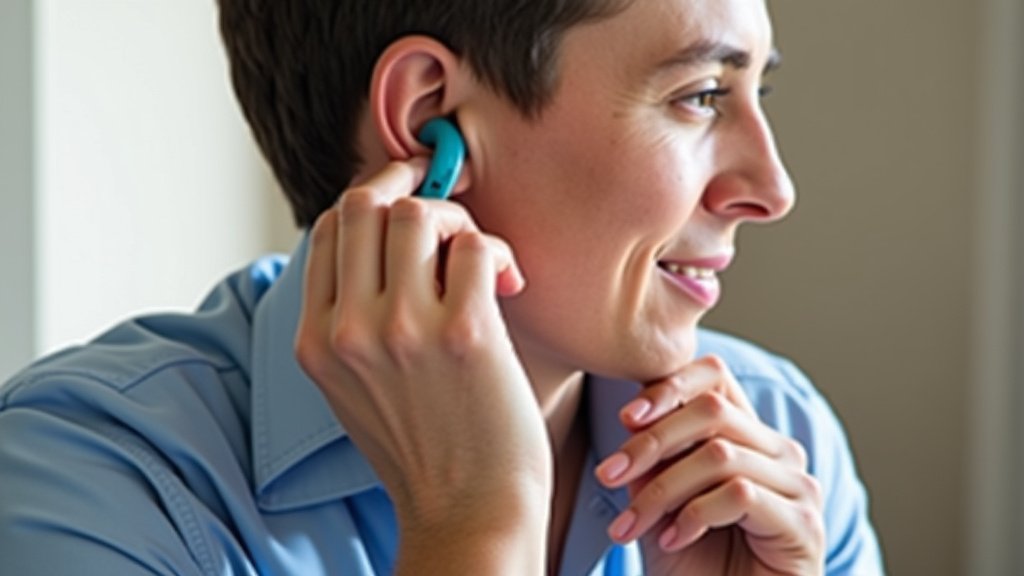
If your hearing aid isn’t comfortable, you won’t wear it. It’s as simple as that. This is where the RIC style often shines for beginners. The slim tube and small dome in your ear canal feel much less intrusive. A comfortable fit means you’ll be more likely to wear your devices all day, which is crucial for getting the full benefit.
Make sure the audiologist spends time ensuring the fit is just right. It should feel secure but not tight or painful. You might even forget you’re wearing it!
Ease of Use and Maintenance
As a beginner, you want a hearing aid that’s easy to turn on/off, adjust, and clean. Look for devices with simple controls, or even automatic settings that adapt to your environment. Many models now connect to a smartphone app, which can make adjustments intuitive and user-friendly. We’ve noticed that people are less likely to abandon their hearing aids if they don’t feel like they need an engineering degree to operate them.
Battery Life and Type
You have two main options for batteries: disposable or rechargeable. Disposable batteries typically last a few days to a week. Rechargeable models, on the other hand, just need to be placed in their charging case overnight, much like your smartphone. Many beginners prefer rechargeable hearing aids for the sheer convenience of not having to fiddle with tiny batteries.
Essential Connectivity (Bluetooth)
While we said no fancy features, basic Bluetooth connectivity is becoming essential. This allows your hearing aids to stream calls, music, or podcasts directly from your smartphone or other devices. It can make a huge difference in your daily communication and entertainment, turning your hearing aids into personal wireless headphones.
What Not to Prioritize as a Beginner
It’s easy to get caught up in all the advanced features hearing aids offer. But for your first pair, avoid getting overwhelmed. Don’t worry too much about things like:
- Advanced AI features that learn your preferences over time.
- Multiple complex programs for every single environment.
- Super specialized accessories beyond basic streamers.
- Ultra-tiny, “invisible” models that sacrifice power and ease of use.
Focus on getting a solid, reliable device that meets your core hearing needs first. You can always upgrade to more advanced features later if you find you need them.
The Importance of Professional Guidance
Getting your first hearing aid isn’t like buying a pair of glasses. It’s a journey. You absolutely need the guidance of a qualified hearing professional, like an audiologist. They will:
- Perform a thorough hearing test.
- Recommend the right style and features for your specific hearing loss.
- Custom fit and program your hearing aids.
- Provide follow-up adjustments and counseling.
- Help you understand how to use and care for your devices.
Think of them as your personal guide in this new experience. Their expertise is truly invaluable for beginners (American Academy of Audiology).
Checklist: Finding the Right First Hearing Aid for You
Ready to start your search? Use this simple checklist to guide your decision-making process:
- Have I had a recent comprehensive hearing test by an audiologist?
- Does the hearing aid style feel comfortable and discreet enough for me? (Consider RIC first.)
- Does the sound quality offer clear speech and good noise reduction?
- Are the controls easy for me to use, or is there a helpful smartphone app?
- Does it have rechargeable batteries, or am I comfortable with disposables?
- Does it offer essential Bluetooth connectivity for calls and streaming?
Comparing Common Beginner-Friendly Hearing Aid Features
Let’s look at how some key features stack up for someone new to hearing aids. Remember, simplicity and effectiveness are your best friends.
| Feature | Why It’s Good for Beginners | Things to Consider |
|---|---|---|
| Receiver-in-Canal (RIC) Style | Natural sound, discreet, comfortable fit, good for most hearing loss. | Receiver wire can be delicate; requires some dexterity for insertion. |
| Noise Reduction | Helps you hear speech clearly in noisy places, reduces listening effort. | Some systems are better than others; test in real-world situations. |
| Feedback Cancellation | Eliminates annoying whistling sounds, improves wearing comfort. | Standard feature in most modern devices; usually works very well. |
| Rechargeable Batteries | No fiddly battery changes, easy overnight charging. | Requires daily charging; hearing aids are unusable if charge is forgotten. |
| Basic Bluetooth Streaming | Connects to phone for calls and audio, enhances daily communication. | Can drain battery faster; might require a streaming accessory for some phones. |
| Automatic Programs | Hearing aid adjusts settings for you, reducing manual adjustments. | Less user control; some might prefer manual adjustments for specific situations. |
As you can see, prioritizing these features will give you a strong foundation for a positive first hearing aid experience. You’re setting yourself up for success!
Conclusion
Choosing your first hearing aid can feel like a big decision. We’ve found that focusing on simplicity, comfort, and clear sound is the best approach for beginners. An entry-level Receiver-in-Canal (RIC) hearing aid, with features like noise reduction and rechargeable batteries, typically offers the easiest transition. Remember, your goal is to find a device you’ll wear consistently, improving your communication and quality of life.
Don’t try to navigate this alone. Your next step should be to schedule an appointment with a qualified audiologist. They will provide personalized recommendations and ensure your hearing journey starts successfully.
Frequently Asked Questions
How long does it take to get used to wearing a hearing aid?
Most beginners need a few weeks to adjust to new hearing aids. Your brain needs time to relearn how to process sounds it hasn’t heard clearly in a while. Consistency is key; wear them daily for the best results and quickest adaptation.
Can I buy a hearing aid online without seeing a professional?
While some over-the-counter (OTC) options are available, we strongly recommend seeing an audiologist for your first hearing aid. They ensure you get the correct diagnosis, a proper fit, and programming tailored to your specific hearing loss. This professional guidance significantly improves your success.
Will wearing a hearing aid make my hearing worse?
No, wearing a properly fitted and programmed hearing aid will not make your hearing worse. In fact, it can help your brain stay active and maintain its ability to process sounds. Consistent use can prevent auditory deprivation and improve your overall hearing health.
Are expensive hearing aids always better for beginners?
Not necessarily. For beginners, the “best” hearing aid often means one that is simple, comfortable, and provides clear sound without unnecessary complex features. You might find a mid-range model perfectly meets your needs without the premium price tag of advanced features you may not use yet.
What if my hearing aid whistles or makes feedback sounds?
Modern hearing aids, especially RICs, have advanced feedback cancellation to prevent whistling. If you experience feedback, it usually means your hearing aid isn’t fitted correctly, the volume is too high, or there’s earwax buildup. Contact your audiologist for an adjustment or cleaning.