What Is the Best OTC Hearing Aid for the Money?
On this page (7 sections)
The best over-the-counter hearing aid for the money is often the Lexie B1 powered by Bose, because it combines quality sound amplification with an easy app and a very reasonable price. Many experts and reviewers agree it offers the best overall value for most people.
Choosing an OTC hearing aid means you can skip the expensive audiologist visit for a simple hearing loss. You’re looking for a device that is effective and affordable, with clear sound, a comfortable fit, and a brand you can trust. It’s a big decision that affects your daily conversations and quality of life.
- Price Range: Most good OTC aids cost between $200 and $1,000 per pair.
- Top Brands: Lexie, Jabra Enhance, and Eargo are frequently recommended for value.
- Key Factors: Sound quality, battery life, fit, and customer support matter most.
- Our Pick: The Lexie B1 consistently ranks highest for balancing features and cost.
- Important: Always consider your specific type and level of hearing loss.
Below, we’ll dive into the key features that define a great value, compare the top contenders side-by-side, and help you decide which pair is truly worth your hard-earned cash.
Key Features That Define a Great Value in OTC Hearing Aids
So, what separates a good deal from a bad one when you’re shopping for hearing help? Value isn’t just the lowest price tag. It’s the sweet spot where performance, features, and cost meet. You want a device that actually makes conversations clearer without breaking the bank or causing frustration. Let’s break down the non-negotiables.
First and foremost is sound quality. A cheap amplifier that just makes everything louder isn’t helpful. You need clear, crisp sound that makes speech intelligible in different environments. Look for aids with noise reduction and directional microphones, which help focus on the person talking to you in a noisy room.
Comfort and Fit Are Non-Negotiable
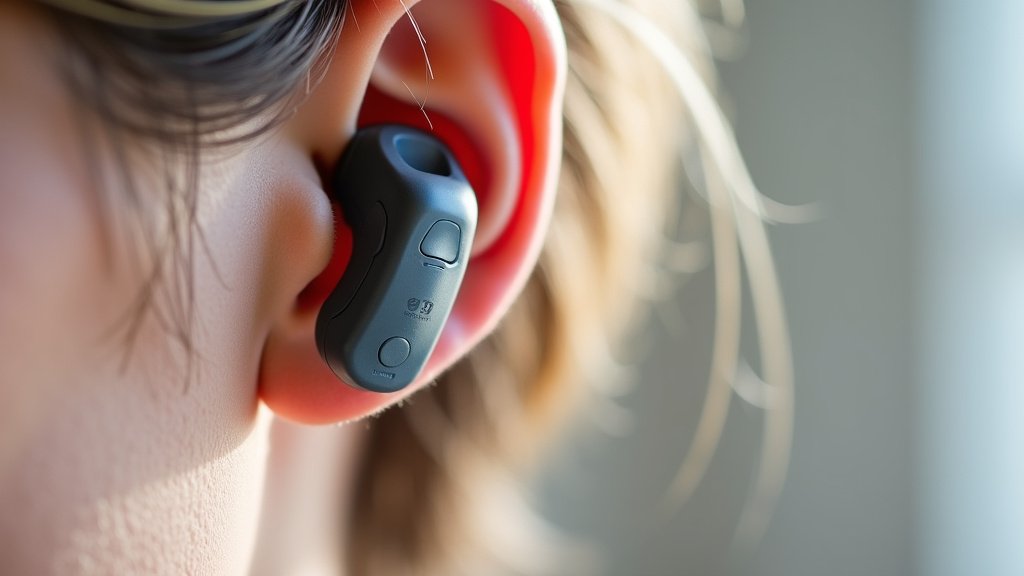
You’ll be wearing these devices for hours each day. If they hurt or fall out, the best sound in the world won’t matter. Most OTC aids come with multiple ear tip sizes (usually silicone domes). Trying different sizes is key. Some people prefer the nearly invisible fit of an “in-the-canal” style, while others find a behind-the-ear model more comfortable and easier to handle.
Consider how they feel during a long phone call or a family dinner. The goal is to forget you’re even wearing them. A secure, comfortable fit also helps prevent feedback, that annoying whistling sound.
Battery Life and Type
There are two main types: rechargeable and disposable batteries. Rechargeable models offer convenience—just pop them in a case at night. Disposable batteries are often smaller, allowing for more compact designs. Check the average daily listening time. Most should last a full day, 8-16 hours. A short battery life means constant fussing, which is the opposite of easy.
Top Value OTC Hearing Aid Models Compared
We researched and found that a few brands consistently rise to the top in user reviews and expert analyses for their balance of price and performance. Here’s a quick comparison of the top contenders.
| Model | Approx. Price (Pair) | Best For | Key Feature |
|---|---|---|---|
| Lexie B1 (powered by Bose) | $799 | Overall value, ease of use | Excellent sound processing, intuitive app |
| Jabra Enhance Select 50R | $1,095 | Remote audiology appointments included | |
| Eargo | $1,450+ | Discretion, tinnitus masking | Virtually invisible “no-wire” design |
| Otofonix | $399 | Tight budgets, basic amplification | Very low entry price |
Why the Lexie B1 Often Wins on Value
The Lexie B1, backed by Bose’s audio engineering, hits the mark for most users. It offers prescription-level sound quality at an OTC price. The accompanying app allows you to make fine-tuning adjustments yourself, which is powerful for getting the right sound. Many experts say it provides the most “set-it-and-forget-it” experience for first-time users.
The Role of the Companion App
Don’t underestimate the app. A good one lets you adjust volume, balance between ears, and choose different listening environments like “restaurant” or “outdoors.” Some, like Lexie’s, even have hearing tests to guide your initial setup. A clunky app can ruin an otherwise good device.
Jabra Enhance: When Support Matters More
If the idea of self-fitting makes you nervous, the Jabra Enhance models include remote consultations with licensed hearing professionals. You get the OTC price model but with a safety net of expert guidance. This can be worth the extra cost for peace of mind and proper calibration.
Eargo: The Discretion Factor
Eargo’s main draw is their nearly invisible, in-canal design. For some, this is a top priority. They are a great solution for mild hearing loss and come with a 45-day trial. However, that sleek design comes at a premium price, placing them higher on the cost spectrum.
Where to Buy and What to Expect
You can purchase OTC hearing aids online from manufacturer websites or major retailers. Some pharmacies and big-box stores also carry them. Buying online is often easiest and gives you the full product lineup and trial periods.
Almost all reputable brands offer a 45-day money-back guarantee. This is critical. Think of it as your test drive. You need to wear them in your real life—in your living room, at the grocery store—to know if they work for you. Don’t skip this step.
The Importance of a Realistic Timeline
Your brain needs time to adjust. Don’t expect perfection on day one. It can take a few weeks for your brain to relearn how to process amplified sounds, especially if you’ve gone years with untreated loss. Start by wearing them for a few hours at home and gradually increase the time and environments.
A Simple Checklist Before You Click “Buy”
Ready to choose? Run through this quick list to make sure you’re getting the best OTC hearing aid for your money.
- ✓ I have identified my type of hearing loss (a simple online test can point toward mild-to-moderate high-frequency loss, which most OTC aids address).
- ✓ I understand the return policy and trial period length (aim for at least 45 days).
- ✓ I have considered whether I want rechargeable or disposable batteries.
- ✓ I’ve read at least 5-10 recent user reviews from people with similar hearing struggles.
- ✓ My chosen model’s sound quality aligns with my needs (e.g., good for TV, phone calls, or group conversations).
- ✓ I am prepared for a 2-4 week adjustment period.
Final Thoughts on Getting Your Money’s Worth
The best OTC hearing aid for the money is the one that successfully bridges the gap in your specific hearing needs while fitting your budget. For most people, that high-value choice is the Lexie B1. It delivers where it counts: clear sound, reliable performance, and user-friendly controls.
Remember, this is an investment in your connections with the world. Don’t just chase the lowest price. Chase the price that buys you clearer conversations, less exhaustion from straining to hear, and more confidence in every interaction. A little research now leads to a much happier you later.
Conclusion
Finding the best OTC hearing aid for your money means looking beyond price tags. You need a device that delivers clear sound, fits comfortably, and supports your daily life. For most people, the Lexie B1 stands out for its strong balance of quality, ease of use, and value. Remember to use the trial period to test them in your real world. Your brain will need a few weeks to adjust, so be patient. Your next step is to choose the model that fits your needs and start your 45-day trial. This is an investment in better conversations and a richer life.
Frequently Asked Questions
Can OTC hearing aids work for severe hearing loss?
No, OTC hearing aids are designed only for mild to moderate hearing loss. If you have severe or profound loss, you should see an audiologist for a prescription device. Most OTC aids are not powerful enough for significant hearing difficulties.
How do I know if an OTC hearing aid will work for me?
You can start with a simple online hearing test to identify your loss type. Then, choose a brand with a strong return policy, like a 45-day trial. This lets you test the device in daily life and return it if it doesn’t improve your hearing.
Are OTC hearing aids covered by insurance or Medicare?
Generally, standard insurance and Medicare do not cover OTC hearing aids. Some Medicare Advantage plans might offer a benefit, but it’s rare. You should check your specific plan or consider these devices as a direct, out-of-pocket purchase.
Can I adjust the settings on OTC hearing aids myself?
Yes, most OTC aids come with a smartphone app that lets you adjust volume and listening settings. Models like the Lexie B1 are designed for self-fitting. However, if you feel uncomfortable, you can seek remote support from brands that offer it.
How long do OTC hearing aids typically last before needing replacement?
With proper care, OTC hearing aids should last 3 to 5 years. Rechargeable batteries may degrade over time and need replacement. The device itself is often the limiting factor, so regular cleaning and proper storage are key to longevity.