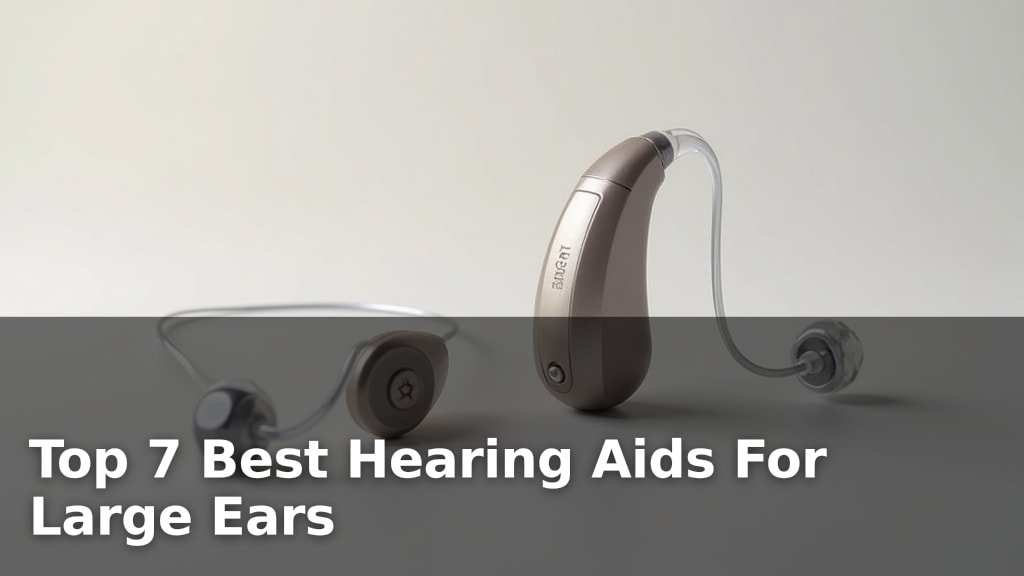
What Is the Difference Between BTE and RIC Hearing Aids?
On this page (8 sections)
The main difference between BTE and RIC hearing aids lies in their design and how the sound is delivered. BTE stands for Behind-the-Ear, where the main unit sits behind your ear. RIC stands for Receiver-In-Canal, where the speaker sits inside your ear canal, connected by a thin wire. Both are popular choices for hearing loss, but they suit different needs and preferences.
Choosing between a BTE and RIC hearing aid often depends on your degree of hearing loss and your lifestyle. RIC models are often smaller and more discreet, making them a hit for many users. BTE aids can be a bit larger but often offer more power and flexibility for more significant hearing challenges. We found that understanding these basic distinctions is the first step to finding your perfect fit.
- BTE hearing aids house all components behind the ear.
- RIC hearing aids have the speaker inside the ear canal.
- RICs are generally smaller and more discreet.
- BTEs can offer more power for severe hearing loss.
- Your specific hearing needs will guide the best choice.
Let’s break down the key differences to help you figure out which type might be the best match for your hearing journey.
Understanding BTE vs. RIC Hearing Aid Designs
When you’re looking at hearing aids, you’ll quickly notice there are different ways they’re built. Two of the most common styles are BTE and RIC. They might look similar at first glance, but their internal workings and how they sit on your ear are quite different. We found that understanding these fundamental distinctions is key to finding the right one for you.
What is a BTE Hearing Aid?
BTE stands for Behind-The-Ear. Imagine a small, curved device that rests neatly behind your ear. That’s the main body of a BTE hearing aid. All the important electronic parts – the microphone, the amplifier, and the battery – are housed inside this casing. A clear or colored tube then connects this unit to an earmold that sits inside your ear canal.
This design has been around for a long time. It’s a reliable and robust option for many people. Because the main unit is larger, it can often hold bigger batteries. This means they can last longer on a single charge. They can also accommodate more powerful amplifiers, which is why they’re often recommended for people with Because the main unit is larger, BTE aids can often hold bigger batteries, meaning they can last longer on a single charge.more significant hearing loss.
What is a RIC Hearing Aid?
RIC stands for Receiver-In-Canal. This style is quite popular because it’s generally smaller and less noticeable. With a RIC hearing aid, the main body of the device is still behind your ear, but it’s much smaller than a typical BTE. The crucial difference is where the sound speaker is located.
Instead of being inside the main unit, the speaker, or receiver, is housed in a tiny casing at the end of a very thin wire. This wire runs from the behind-the-ear unit into your ear canal. The speaker sits right at the entrance of your ear canal, or sometimes just inside it. Many users find this design to be very comfortable and discreet.
How They Deliver Sound: The Key Difference
The way each hearing aid type gets sound to your ear is perhaps the most significant difference. This impacts both performance and comfort. We found that people often have a strong preference once they understand this.
BTE Sound Delivery
In a BTE hearing aid, the sound is generated within the unit behind your ear. It travels through a hollow tube and then into the earmold. The earmold then channels the amplified sound into your ear canal. Think of it like a tiny, custom-made speaker system sending sound down a pipe to your ear.
This method is very effective for directing sound. It allows for precise control over how much amplification is delivered. For those with profound hearing loss, the power needed is easily managed with this setup (National Institute on Deafness and Other Communication Disorders).
RIC Sound Delivery
With a RIC hearing aid, the speaker is much closer to your eardrum. The amplified sound travels through a thin wire directly from the behind-the-ear unit to the receiver in your ear. This placement allows for a more natural sound quality for many users.
Because the receiver is directly in the ear canal, it can deliver sound more efficiently. This often means less feedback (that whistling sound). It also allows for a more open fit, which many people find less occluding. You feel less like your ear is plugged up.
Size, Style, and Discretion: What You See
When you’re deciding on a hearing aid, how it looks and feels on your ear is a big part of the choice. Both BTE and RIC styles come in various sizes and colors, but there are general trends.
BTE Styles
Traditional BTE hearing aids can vary in size. Some are quite small and discreet, especially those designed for milder hearing losses. Others are larger to accommodate more powerful technology and batteries.
You’ll often see BTEs with a clear, flexible earmold that fills part of your ear canal. These are custom-made for a precise fit. For those who prefer not to have anything deep inside their ear, a BTE with a standard earmold might be a good choice. They can be a bit more noticeable, but they often come in skin tones or colors that blend in well.
RIC Styles
RIC hearing aids are celebrated for their small footprint. The main unit behind the ear is often slim and petite. The thin wire and tiny receiver in the ear canal make them very subtle. Many people can’t tell if someone is wearing them at all.
RICs often come with a small dome tip instead of a custom earmold. These domes are easy to insert and remove and come in different sizes. This open-fit style is favored by many for its comfort and natural sound. It allows some natural sound to enter your ear, which many find pleasant.
Who Are They Best For? Considering Your Needs
The best hearing aid for you depends entirely on your specific hearing loss and lifestyle. We’ve seen many people find success with both types, but certain characteristics make one a better fit for particular situations.
Who Benefits Most from BTEs?
BTE hearing aids are often the go-to for individuals with severe to profound hearing loss. The larger casing can house more powerful amplifiers and larger batteries. This provides the necessary boost for those who need it most.
They are also a great choice for people with active lifestyles who might be prone to earwax buildup or moisture. The main unit being behind the ear can sometimes make it less susceptible to damage from sweat or debris. Children often wear BTEs because they are durable and can be attached to a safety cord.
Who Benefits Most from RICs?
RIC hearing aids are incredibly versatile. They are excellent for people with mild to moderate hearing loss. The natural sound quality and discreet nature make them a popular choice for many first-time hearing aid users.
If you prefer a hearing aid that is less visible and very comfortable, a RIC is likely a strong contender. Many RICs are also designed with advanced features like Bluetooth connectivity and rechargeability, making them very convenient for tech-savvy users.
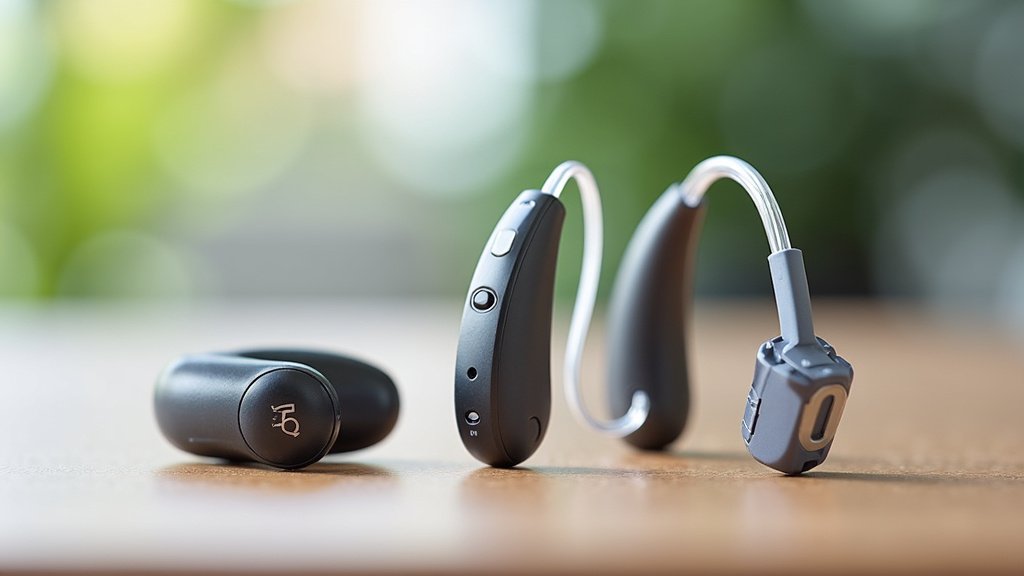
Comparing Features: A Quick Look
Let’s sum up some of the key differences in a way that’s easy to compare. We found that a quick comparison table helps many people visualize the distinctions.
| Feature | BTE Hearing Aid | RIC Hearing Aid |
|---|---|---|
| Size | Generally larger, sits behind the ear. | Smaller and more discreet, sits behind the ear. |
| Receiver Placement | Inside the main unit, sound travels through a tube. | In the ear canal, connected by a thin wire. |
| Power Level | Can accommodate higher power for severe/profound loss. | Best for mild to moderate loss, though some high-power models exist. |
| Discretion | Can be more visible, depending on size and earmold. | Generally very discreet due to small size and thin wire. |
| Comfort | Varies; custom earmolds can be very comfortable. | Often preferred for open-fit comfort and less occlusion. |
| Feedback Potential | Slightly higher potential if not properly fitted. | Lower potential due to receiver placement. |
| Battery Life | Often longer due to larger battery capacity. | Can be shorter, but rechargeable options are common. |
Making Your Choice: What to Consider Next
Deciding between a BTE and a RIC hearing aid isn’t just about picking the prettiest option. It’s about finding a solution that works best for your hearing health and your daily life. We always recommend discussing your options with a hearing healthcare professional.
Your Hearing Loss Profile Matters
The first step is understanding the severity and type of your hearing loss. A hearing test is essential. This will guide your audiologist or hearing instrument specialist in recommending the appropriate technology. For example, profound hearing loss often requires the power only a BTE can reliably provide (Centers for Disease Control and Prevention).
Lifestyle and Comfort Preferences
Think about your daily routine. Are you very active? Do you work in dusty or humid environments? Do you prefer the most discreet option available? These lifestyle factors are just as important as your hearing test results.
Many people find RICs more comfortable for all-day wear, especially with their open-fit design. Others might find the security of a custom earmold with a BTE reassuring. There’s no single right answer; it’s about what feels best for you.
Technology and Features
Both BTE and RIC hearing aids come with a range of features, from basic amplification to advanced connectivity. You might want to consider if you need things like:
- Rechargeable batteries – Many modern aids offer this convenience.
- Bluetooth connectivity – For streaming music or calls directly to your hearing aids.
- Directional microphones – To help focus on speech in noisy environments.
- Water resistance – Important if you lead an active, outdoor life.
We found that RICs often lead the pack in terms of integrating the latest wireless and rechargeable technologies, but powerful BTEs are catching up quickly. Many RICs are also designed with advanced features like Bluetooth connectivity and rechargeable technologies.
Conclusion
We’ve walked through the main differences between BTE and RIC hearing aids. Remember, BTEs often provide more power and battery life, ideal for severe hearing loss. RICs typically offer greater discretion and a more natural sound for mild to moderate needs. Your hearing loss profile, lifestyle, and personal comfort are your best guides. We found that the most important step you can take now is to schedule a consultation with a hearing healthcare professional. They can perform a thorough evaluation and help you find the perfect fit for your hearing journey.
Frequently Asked Questions
Are RIC hearing aids really less noticeable than BTEs?
Yes, generally. RIC hearing aids are designed with smaller behind-the-ear units and a thin wire connecting to a tiny speaker in the ear canal. This makes them very discreet. While some smaller BTEs can also be quite subtle, the RIC design often offers the most minimal appearance.
Can I get a RIC hearing aid if I have severe hearing loss?
While RICs are most commonly recommended for mild to moderate hearing loss, technology is always advancing. Some powerful RIC models are now available that can help with more significant hearing needs. However, for profound hearing loss, a BTE might still be the most reliable option.
Which type of hearing aid is better for swimming or very active lifestyles?
For activities involving moisture or dust, a BTE hearing aid might be a safer choice. The main components are housed in a larger unit behind the ear, which can sometimes offer better protection from sweat or debris than the smaller, more exposed receiver in a RIC.
What is “feedback” in hearing aids, and how does it relate to BTE vs. RIC?
Feedback is the whistling or squealing sound that can happen when amplified sound leaks out of the ear and is picked up again by the hearing aid’s microphone. RIC hearing aids tend to have less feedback because the speaker is placed directly in the ear canal, closer to the sound source and creating a better seal.
Do BTE and RIC hearing aids come in rechargeable options?
Yes, both BTE and RIC hearing aids are increasingly available with rechargeable battery options. This offers great convenience, eliminating the need for frequent battery changes. It’s a feature worth discussing with your hearing professional, regardless of the style you choose.