Can You Clean Hearing Aids with Alcohol Wipes?
On this page (8 sections)
You might be wondering if you can use alcohol wipes to clean your hearing aids. The short answer is no, generally you should not use alcohol wipes on your hearing aids. While alcohol can kill germs, it can also damage the delicate materials that make up your hearing devices.
Hearing aids are sophisticated pieces of technology. They require specific care to keep them working their best. Using the wrong cleaning products can lead to costly repairs. Many experts recommend using only products specifically designed for hearing aid care.
- Alcohol wipes can harm hearing aid materials.
- Always use cleaning solutions made for hearing aids.
- Regular cleaning is key to good hearing aid performance.
- Keep your hearing aids dry and protected from moisture.
Let’s dive into why alcohol is a no-go and what you should use instead to keep your hearing aids in top shape.
Can Alcohol Wipes Damage Your Hearing Aids?
You might be tempted to grab a handy alcohol wipe to clean your hearing aids. After all, they’re great for disinfecting surfaces. However, when it comes to your hearing devices, alcohol wipes are generally not recommended. This is because the sensitive components inside hearing aids can be easily damaged by the chemicals found in these wipes. It’s like trying to clean your eyeglasses with a harsh kitchen scrubber – it just won’t end well.
Your hearing aids are more than just small gadgets. They are complex electronic devices. They contain tiny microphones, speakers, and processors. These parts need gentle care. Using strong cleaning agents can break them down over time. This can lead to poor performance or even complete failure. Many hearing health professionals strongly advise against using alcohol-based products for cleaning hearing aids. They want your devices to last as long as possible.
Why Alcohol Wipes Aren’t Hearing Aid Friendly
Let’s break down why those convenient alcohol wipes can cause harm. Alcohol is a powerful solvent. It can degrade certain materials over time. This is a big concern for the delicate plastics and coatings used in hearing aids. Even a single wipe might not cause immediate damage, but repeated use can be very detrimental. You might not see the effects right away, but they are happening beneath the surface.
Material Breakdown: Plastics and Coatings
Many hearing aids are made with special plastics. These materials are chosen for their durability and comfort. However, they can react poorly to the isopropyl alcohol found in most disinfectant wipes. Alcohol can cause these plastics to become brittle, discolored, or even dissolve. The outer shells and internal components can both suffer damage. This can affect how the device fits and functions.
Think about how some plastic items get cloudy or warped when exposed to certain cleaners. Your hearing aids could experience similar issues. The coatings on the electronics are also vulnerable. These coatings protect the sensitive circuits from moisture and dust. Alcohol can strip away these protective layers. This leaves the internal workings exposed to damage. You don’t want that happening to your investment.
Damage to Delicate Electronics
The electronic components inside your hearing aids are incredibly small. They require a very gentle cleaning approach. Alcohol is a liquid, and while wipes are not dripping wet, they do contain moisture. If this moisture seeps into the tiny openings of the hearing aid, it can cause serious harm to the circuitry. While some modern hearing aids have water resistance, they are not impervious to liquid damage from cleaning agents.
Furthermore, alcohol can leave behind a residue. This residue can interfere with the electrical connections inside the device. It might seem clean on the outside, but an unseen mess could be building up internally. This buildup can lead to crackling sounds, intermittent operation, or complete silence. It’s a problem that’s hard to fix and can be quite expensive.
Impact on Sound Quality and Function
Even if the damage isn’t immediately visible, alcohol can affect how your hearing aids perform. The acoustic ports and microphones are crucial for sound. Alcohol residue can clog these tiny openings. This will muffle the sound you receive. It can make speech harder to understand. It might also affect the directional microphones. This compromises the hearing aid’s ability to isolate sounds.
The tiny vents and domes can also become sticky from alcohol residue. This can change how the sound is delivered to your ear. It’s like trying to listen through a dirty window. You’re not getting the clear, crisp sound you should be. Over time, these issues can lead to a noticeable decline in the effectiveness of your hearing aids. You might find yourself turning up the volume more often, which isn’t the goal.
Recommended Cleaning Methods for Your Hearing Aids
So, if alcohol wipes are out, what should you use? The good news is that keeping your hearing aids clean is usually quite simple. The key is to use products specifically designed for hearing aid care. These are formulated to be safe and effective for the materials and electronics involved.
Specialized Cleaning Solutions and Wipes
You can find hearing aid cleaning solutions at most places that sell hearing aids or audiology supplies. These solutions are often in spray bottles or come as hearing aid cleaning wipes. They are designed to gently remove earwax, dirt, and debris without damaging the hearing aid’s components. Always check the product label to ensure it’s approved for your type of hearing aid.
When using a spray, never spray directly onto the hearing aid. Instead, spray a small amount onto a soft, lint-free cloth. Then, gently wipe down the exterior of the hearing aid. For wipes, use them according to the manufacturer’s instructions. They are typically safe for external surfaces. Remember, these are for cleaning the outside of your devices, not for disinfecting them like a medical instrument.
Using a Soft, Dry Cloth
For everyday cleaning, a soft, dry cloth is often all you need. Microfiber cloths work very well. They are gentle and can pick up dust and light debris. Simply wipe down the hearing aid after you take it out for the night. This simple habit can prevent a lot of buildup. It’s like dusting your furniture; it keeps things looking good and working well.
Make sure the cloth is lint-free. Lint can get stuck in small openings. Avoid using paper towels, as they can be abrasive. A dedicated cleaning cloth for your hearing aids is a great investment. It’s small, easy to carry, and effective for quick cleanups. This can also help maintain the luster and finish of your hearing aid casing.
Proper Drying Techniques
Moisture is the enemy of hearing aids. While you shouldn’t use alcohol wipes, you also need to be careful about introducing other liquids. Always ensure your hands are completely dry before handling your hearing aids. If you sweat a lot or live in a humid climate, consider using a If you sweat a lot or live in a humid climate, consider using a hearing aid dehumidifier.hearing aid dehumidifier. These small, airtight containers help draw out moisture overnight.
Some dehumidifiers are simple desiccant beads, while others have electric drying capabilities. Always follow the instructions for your specific dehumidifier. This step is especially important for maintaining the health of the microphones and battery compartments. Keeping them dry protects the delicate electronics from corrosion. This prolongs the life of your hearing aids significantly. Many audiologists recommend this practice.
A Simple Cleaning Checklist for Your Hearing Aids
Keeping your hearing aids in top condition doesn’t have to be complicated. Here’s a quick checklist to guide your regular cleaning routine:
- Always start with clean, dry hands.
- Use a soft, dry microfiber cloth for daily dusting.
- Employ hearing aid-specific cleaning solutions or wipes for deeper cleaning.
- Ensure all cleaning agents are safe for electronics and plastic.
- Store your hearing aids in a dry environment, ideally a dehumidifier overnight.
- Never use alcohol, harsh chemicals, or immerse your hearing aids in water.
What About Earwax?
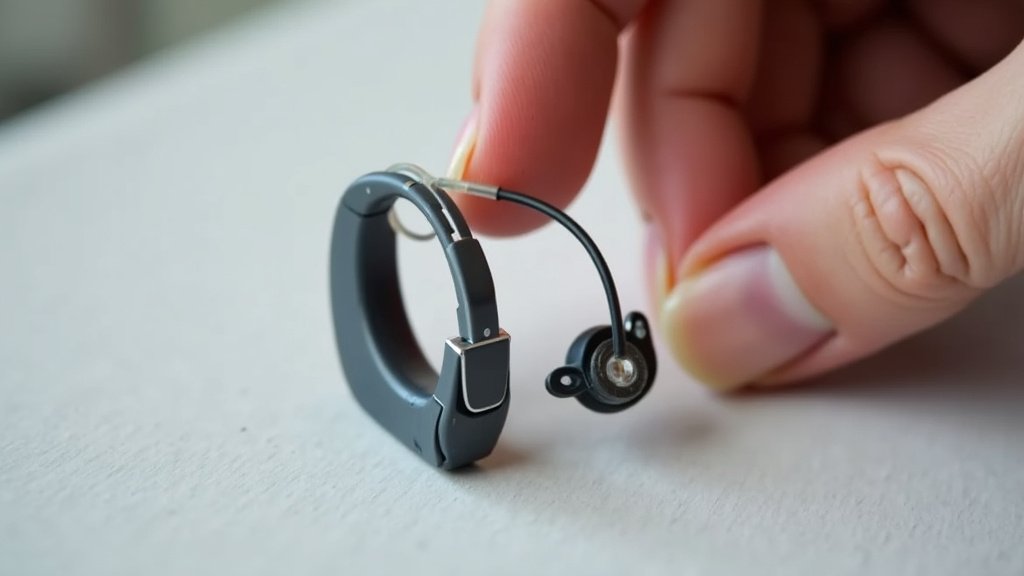
Earwax is a common culprit for hearing aid issues. It can clog the receivers and microphones, leading to reduced sound. Your hearing aids likely came with a small brush or pick for cleaning wax traps. Use these tools carefully. If you have significant earwax buildup, your audiologist can help. Your hearing aids likely came with a small brush or pick for cleaning wax traps.
Understanding Earwax Management
Earwax is natural and serves a purpose. However, for hearing aid wearers, it can become a nuisance. If you notice your hearing aid sounds muffled, earwax is often the reason. Gently using the provided tools can clear minor blockages. For stubborn wax, professional cleaning might be necessary. Your audiologist has special tools and techniques.
Some people try to remove earwax from their ears using cotton swabs. Experts like those at the Cleveland Clinic generally advise against this. Cotton swabs can push wax deeper into the ear canal. This can cause blockages or even damage to the eardrum. It’s better to let earwax do its job naturally or seek professional help if you have concerns.
The Role of Your Audiologist
Your audiologist is your best resource for hearing aid care. They can demonstrate proper cleaning techniques. They can also perform deep cleaning and maintenance. If you’re unsure about a cleaning product, always ask your audiologist first. They can guide you toward the safest and most effective options. They are experts in keeping your hearing aids working perfectly.
Think of your audiologist as your hearing aid’s doctor. They understand the intricacies of these devices. They can spot potential problems before they become serious. Regular check-ups ensure your hearing aids are functioning optimally. They can also advise on battery replacement and other maintenance needs. Don’t hesitate to reach out to them with any questions or concerns about your hearing aids.
Alternatives to Alcohol Wipes: A Quick Comparison
To sum up, let’s look at what you should use versus what you should avoid. Making the right choice ensures your hearing aids perform well for years to come.
| Cleaning Method | Pros | Cons | Recommendation |
|---|---|---|---|
| Alcohol Wipes | Kills germs effectively on surfaces. Convenient. | Can damage plastics and coatings. May harm electronics. Can leave residue. | Avoid for hearing aids. |
| Hearing Aid Specific Wipes/Solutions | Formulated for hearing aid materials. Gentle and safe. Effective for earwax and dirt. | Requires purchasing specialized products. | Recommended for regular cleaning. |
| Soft, Dry Cloth (Microfiber) | Gentle, lint-free, effective for dust and light debris. Readily available. | Not sufficient for dried earwax or heavy grime. | Recommended for daily use. |
| Water/Harsh Chemicals | Some might think it’s thorough cleaning. | Extremely damaging to electronics. Can cause corrosion and permanent failure. | Never use. |
As you can see, the specialized products are designed with your hearing aids in mind. They offer the best balance of cleaning power and safety. The table highlights why sticking to approved methods is so important for the longevity of your devices.
Conclusion
You’ve learned why reaching for alcohol wipes to clean your hearing aids is a risky choice. They can seriously damage the delicate materials and electronics. Instead, always opt for cleaning solutions and wipes specifically made for hearing aids. For daily upkeep, a soft, dry microfiber cloth works wonders. For a routine, see our guide to hearing aid cleaning frequency. Proper drying techniques, like using a dehumidifier, are also key to protecting your investment. By following these gentle, approved methods, you’ll help ensure your hearing aids perform optimally and last for years to come. Make the switch to safe cleaning practices today for clearer, more reliable hearing.
Frequently Asked Questions
What’s the main reason I shouldn’t use alcohol wipes on my hearing aids?
The main reason is that alcohol can break down the delicate plastics and coatings on your hearing aids. This can lead to brittleness, discoloration, or even damage to the sensitive internal electronics over time.
Can a single alcohol wipe really hurt my hearing aids?
While a single wipe might not cause immediate, visible damage, repeated use can gradually degrade the materials. It’s the cumulative effect of alcohol exposure that poses the real risk to your devices.
Are there any exceptions where alcohol wipes might be okay for hearing aids?
Generally, no. Even if your hearing aids have some water resistance, alcohol is a chemical solvent that can still compromise their integrity. It’s always safest to stick to approved cleaning methods.
How often should I clean my hearing aids?
You should aim for daily cleaning with a soft, dry cloth to remove dust and debris. A more thorough cleaning with specialized solutions or wipes can be done a few times a week, or as needed based on earwax buildup.
What should I do if my hearing aids sound muffled?
A muffled sound often indicates earwax buildup. Gently use the cleaning tools provided with your hearing aids to clear wax from the receivers and microphones. If the problem persists, consult your audiologist for professional cleaning.