Can You Use a Phone Amplifier with a Cell Phone?
On this page (5 sections)
Yes, you can absolutely use a phone amplifier for seniors with your cell phone! Many people find that these handy devices significantly boost their phone’s sound. You’ll be able to hear calls and media much more clearly without straining your ears. It’s a simple way to get louder, clearer audio from your mobile device.
A phone amplifier works by taking the existing sound from your phone’s speaker and making it louder. This can be a lifesaver for anyone who struggles with low volume on their phone. Think of it as giving your phone a little extra audio muscle. It’s a practical solution for better sound quality in noisy environments or for those with hearing difficulties.
- Phone amplifiers boost your cell phone’s speaker volume.
- They help you hear calls and media more clearly.
- This is great for noisy places or if you have trouble hearing.
- They are generally easy to use and don’t require complex setup.
Let’s dive into how these amplifiers work and what options are available for you.
Boosting Your Phone’s Sound: How Amplifiers Work
You’re probably wondering how these little gadgets actually make your phone louder. It’s simpler than you might think! A phone amplifier works by capturing the audio from your phone’s built-in speaker. Then, it channels that sound into a larger chamber or uses its own acoustic properties to project it outwards. Think of it like cupping your hand behind your ear, but much more effective.
This process doesn’t usually involve any fancy electronics or batteries, especially for passive acoustic amplifiers. They are designed to use the physics of sound to their advantage. By redirecting and expanding the sound waves, they create a louder and often clearer listening experience without any digital processing. This means no added battery drain on your phone, which is a nice bonus!
The Science Behind Louder Sound
At its core, sound is just vibrations traveling through the air. Your phone’s speaker produces these vibrations. A phone amplifier acts as a resonating chamber or a horn. It increases the surface area from which the sound can emanate. It also helps to focus the sound waves, directing them towards your ears more efficiently. This is similar to how a megaphone works for a person’s voice.
Many amplifiers have a funnel-like shape. This shape is not just for looks; it’s a deliberate design choice. It allows the sound waves to expand gradually. This gradual expansion prevents sound distortion. It also ensures the volume increase is noticeable and pleasant to listen to. The materials used can also play a role in the final sound quality.
Passive vs. Active Amplifiers
When we talk about phone amplifiers, there are generally two main types: passive and active. Passive amplifiers don’t require any power source. They rely purely on their physical design to boost sound. These are often made from materials like silicone, plastic, or wood. They are simple and portable.
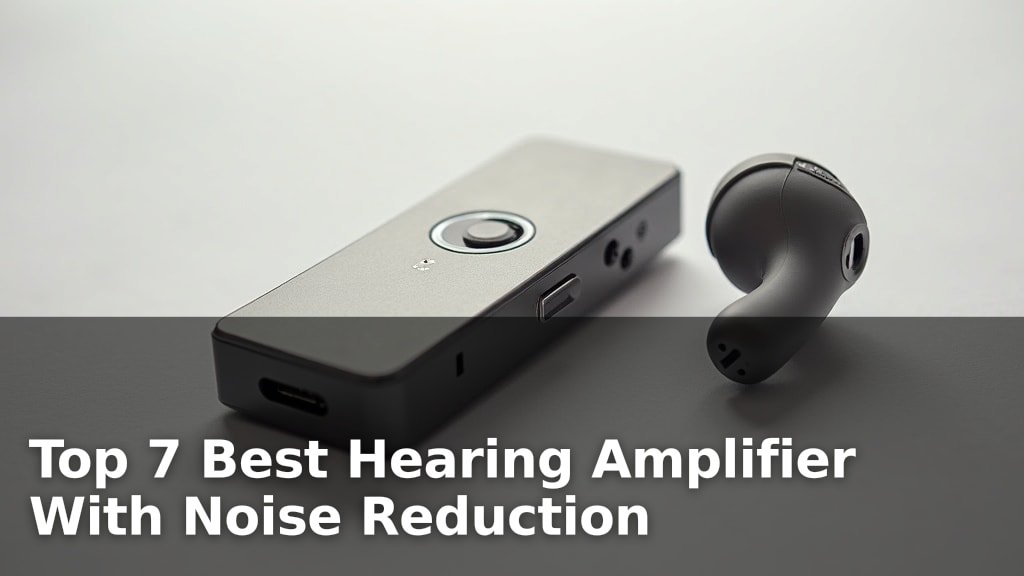
Active amplifiers, on the other hand, include electronic components. They might have their own built-in speaker or circuitry that boosts the audio signal from your phone. These often require batteries or charging. While they can provide a more substantial volume boost, they also add another item to charge and carry around. For most everyday needs, a passive amplifier is often sufficient.
Choosing the Right Amplifier for Your Needs
Now that you know how they work, let’s talk about picking the one that’s best for you. The market offers a variety of styles. Some are like small stands, while others are more like portable horns. Your intended use is the biggest factor in choosing.
Consider where you’ll be using it most. If it’s for your desk at home or in a quiet office, a more stationary stand-style amplifier might be perfect. If you need something for on-the-go, a compact, pocket-friendly design would be better. We want something that fits your lifestyle without being a hassle.
Types of Phone Amplifiers Available
You’ll find a range of designs when you start looking. There are simple silicone sleeves that slide over your phone. These often have a built-in horn shape. Some are desk stands with an integrated acoustic chamber. These are great for watching videos or listening to music while you work or cook.
Then there are the more portable options, sometimes called horns or trumpets. These are designed to be small and lightweight. You might even find some that clip onto your phone. The key is finding a balance between portability and sound enhancement. A huge, bulky amplifier might not be practical for daily use.
Materials and Design Considerations
The material of an amplifier can affect its sound. Silicone is popular because it’s flexible, durable, and grippy. It also provides some vibration dampening. Plastic amplifiers can be rigid and might offer a brighter sound. Wooden amplifiers are less common but can produce a warm, rich tone, much like a musical instrument.
The design of the amplifier’s opening is also critical. A wider opening generally means more sound projection. However, a poorly designed opening can lead to sound distortion or tinny audio. Look for designs that have smooth curves and a well-proportioned shape. Reviews often mention if a particular design produces clear sound.
Where and When to Use Your Amplifier
Imagine you’re trying to follow a recipe video in a noisy kitchen. Or perhaps you’re on a call with a loved one in a bustling cafe. In these scenarios, your phone’s speaker can easily get drowned out. A phone amplifier can make a world of difference. It allows you to hear important details without constantly asking someone to repeat themselves.
It’s also incredibly useful for people who have mild hearing difficulties. Sometimes, the volume on a phone just isn’t enough, even at its maximum setting. An amplifier provides that extra boost. Many guidelines for assistive listening devices suggest simple acoustic aids as a first step (National Institute on Aging). This can help you stay connected and enjoy your audio content.
Putting Your Amplifier to the Test
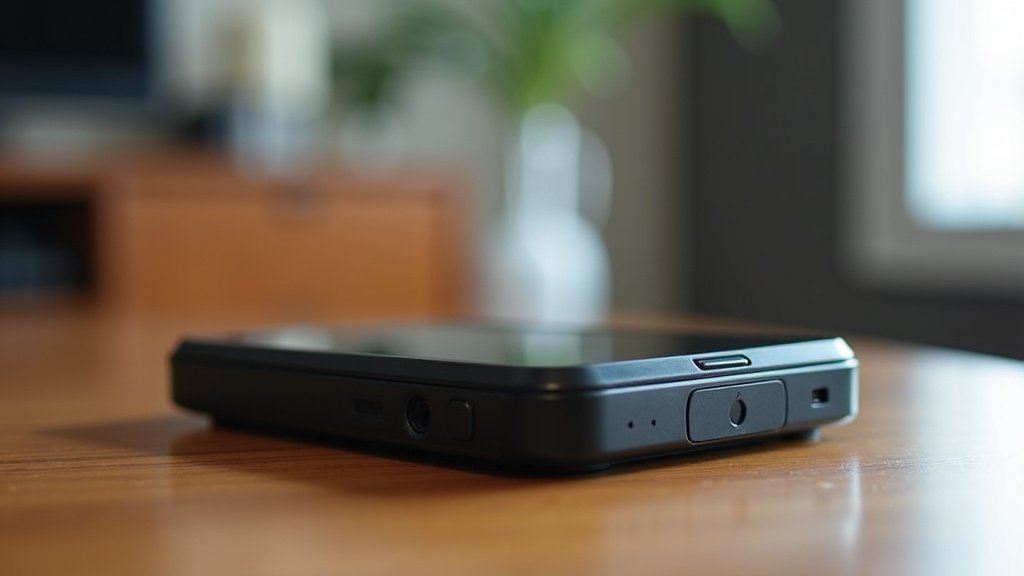
So, you’ve got your amplifier. What now? The beauty of most phone amplifiers, especially passive ones, is their ease of use. There’s no setup required. You simply place your phone into or onto the amplifier, ensuring the phone’s speaker is properly aligned with the amplifier’s opening.
Make sure your phone’s volume is turned up. Then, play your audio. You should notice an immediate increase in volume. If you’re using a desk stand, you can position it to direct sound towards you. For portable horns, you might need to hold them so the sound is aimed effectively. Experiment a bit to find the sweet spot.
Tips for Optimal Sound Quality
To get the best results, ensure your phone’s speaker is clean. Dust or debris can muffle the sound. Also, try to position the amplifier so there are no obstructions between it and your ears. If your phone has multiple speakers, ensure the amplifier is designed to work with them or is positioned to capture the primary sound source.
Different types of audio might sound better or worse. Music with a lot of bass might not be as rich through a small acoustic amplifier. However, spoken word, like podcasts or phone calls, often benefits the most. We found that for clear speech, the amplification is usually excellent. It really helps in cutting through background noise.
Potential Drawbacks to Consider
While amplifiers are great, they aren’t perfect. A common trade-off is that while the volume increases, the sound quality might change. Some amplifiers, especially those that push volume to extremes, can introduce a bit of distortion or make the audio sound less nuanced. It’s a volume boost, not necessarily a high-fidelity upgrade.
Also, some designs can be a bit bulky or awkward. If you’re constantly on the move, a large amplifier might be inconvenient. And remember, passive amplifiers won’t drain your phone’s battery, but active ones will. So, you have to manage another charging device. It’s about weighing the pros and cons for your specific situation.
A Simple Checklist for Your Amplifier Journey
Ready to make your phone sound louder? Here’s a quick checklist to help you out:
- Assess your needs: Where will you use it most?
- Consider portability: Do you need it on the go?
- Read reviews: See what others say about sound quality.
- Check alignment: Ensure your phone’s speaker fits well.
- Experiment with placement: Find the best angle for sound.
- Clean your phone speaker: Keep it free of dust.
Conclusion
You absolutely can use a phone amplifier with your cell phone to boost your audio. We’ve seen how these devices use simple physics to make calls and media much louder and clearer. Whether you choose a passive acoustic stand or a portable horn, an amplifier can significantly improve your listening experience, especially in noisy environments or if you have mild hearing challenges. It’s a straightforward way to ensure you don’t miss a word. To get started, assess your daily needs and consider the portability you require. Then, with a little experimentation, you’ll find the perfect spot for your new sound booster.
Frequently Asked Questions
Will a phone amplifier work with any smartphone?
Yes, most phone amplifiers are designed to be universal. They work by redirecting the sound from your phone’s built-in speaker. You just need to ensure your phone’s speaker aligns properly with the amplifier’s opening for the best results.
Can a phone amplifier distort the sound quality?
While some amplifiers can alter the sound, many are designed to minimize distortion. Passive acoustic amplifiers often provide a clearer sound by not digitally altering the audio. Reading reviews can help you find one known for good sound quality, not just volume.
Do I need to charge a phone amplifier?
It depends on the type. Passive amplifiers require no power source and rely solely on their design. Active amplifiers, which use electronic components, will need to be charged or use batteries, so check the product specifications.
How do I clean my phone amplifier?
For most silicone or plastic amplifiers, a soft, damp cloth is sufficient for cleaning. Avoid harsh chemicals that could damage the material or the acoustic properties. For wooden amplifiers, consult the manufacturer’s recommendations.
Are phone amplifiers good for people with significant hearing loss?
Phone amplifiers can be helpful for mild hearing difficulties by increasing volume. However, for significant hearing loss, they may not provide enough assistance. In such cases, consulting with an audiologist about specialized hearing aids or assistive listening devices is recommended.