Can You Use Hearing Aid Domes on Any Hearing Aid Brand?
On this page (7 sections)
No, you generally cannot use hearing aid domes on any hearing aid brand interchangeably. While many domes might look similar, they are typically designed for specific hearing aid models and receiver types. Using the wrong dome can lead to poor sound quality or even damage to your hearing aid.
We know it’s tempting to swap out domes for a better fit or a different feel. It’s important to understand that these small parts play a big role in how your hearing aid performs. They help direct sound properly and ensure a comfortable, secure fit in your ear. Using a compatible dome is key for optimal hearing and device longevity.
- Hearing aid domes are usually brand-specific.
- Not all domes fit all hearing aids.
- Using the wrong dome can affect sound.
- It might even damage your hearing aid.
- Always check for compatibility.
Let’s walk through why this is the case and what you should look for to ensure you’re using the right domes for your hearing aids.
Understanding Hearing Aid Dome Compatibility
You might be wondering if you can just grab any old dome and pop it onto your hearing aid. It’s a common question, especially when you need a replacement or want to try a different feel. We’ve looked into it, and the short answer is no, not really. Domes aren’t universally compatible across all hearing aid brands and models.
Think of it like trying to fit a tire from a car onto a bicycle. They might both be round and meant to roll, but the threading, size, and design are completely different. Your hearing aid domes are designed with a specific purpose in mind. That purpose is to deliver sound correctly and to fit snugly in your ear canal.
Why Domes Aren’t One-Size-Fits-All
Several factors make hearing aid domes brand and model specific. It’s not just about aesthetics; it’s about functionality and how your hearing aid works.
Receiver Tube Size and Shape
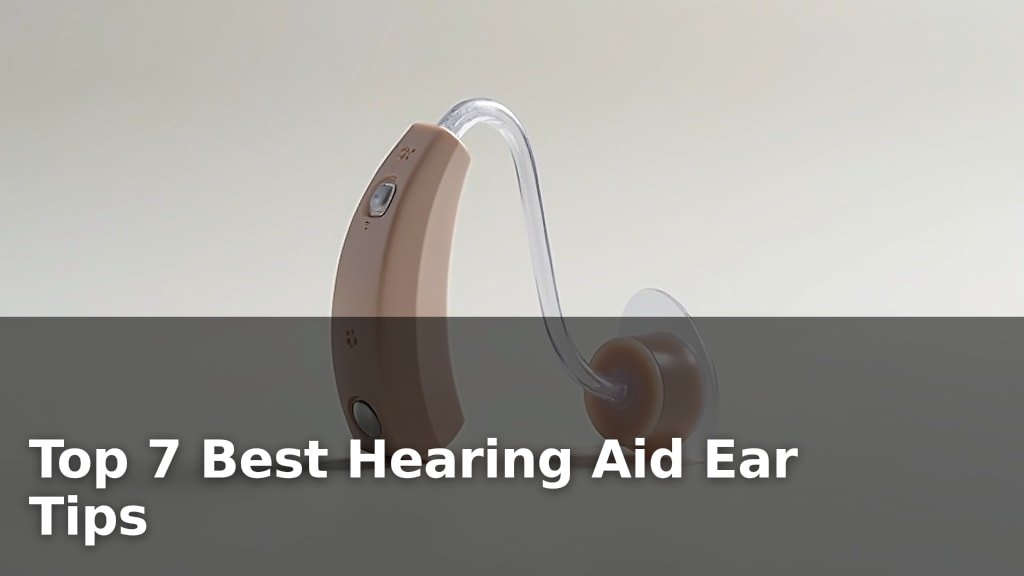
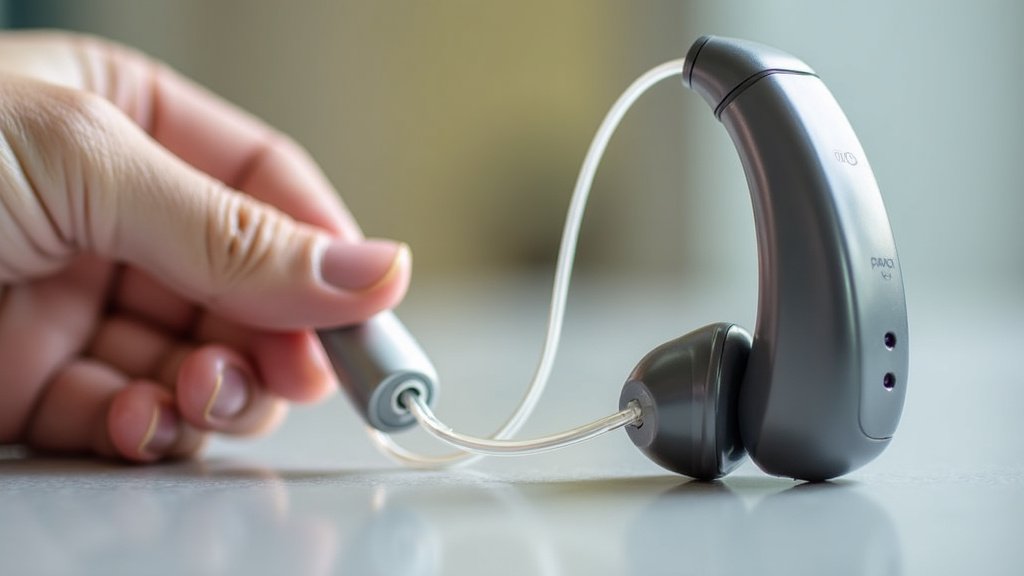
The main reason for incompatibility is the receiver tube. This is the part of the hearing aid that actually delivers the amplified sound into your ear canal. Different hearing aid manufacturers use different sizes and shapes for their receiver tubes.
The dome has a hole in the center that must fit snugly over the end of this receiver tube. If the hole is too large, the dome won’t stay on. If it’s too small, you won’t be able to push it on. Some receivers are thin and slender, while others are a bit thicker. The dome needs to match this precisely.
Dome Attachment Mechanisms
Beyond just the tube size, how the dome attaches can also vary. Some domes have a simple push-fit design. Others might have a small ridge or groove that clicks into place on the receiver. Manufacturers engineer these attachment points to ensure the dome stays securely on the hearing aid.
If you try to force a dome that isn’t designed for your receiver, you risk damaging both the dome and the delicate receiver itself. It’s like trying to jam a square peg into a round hole – it just doesn’t work well and can cause problems.
Acoustic Properties and Sound Delivery
The dome is a critical part of how your hearing aid delivers sound. It’s not just a plug; it’s acoustically engineered. The shape, size, and material of the dome influence the sound quality you experience.
Manufacturers design domes to work with the specific acoustics of their hearing aids. An incompatible dome could alter the sound frequencies. This means you might not hear as clearly as you should. We found that using the wrong dome can lead to a muffled sound or even feedback issues, which nobody wants.
Material Differences
While many domes look like they’re made of the same soft silicone, there can be subtle differences in material composition and flexibility. These differences can affect how well the dome seals in your ear canal and how comfortable it is.
Some materials might be firmer, while others are softer and more pliable. This choice of material is often tied to the specific acoustic goals of the hearing aid model. Using a material not intended for your device could change the sound profile or affect the fit.
Consequences of Using Incompatible Domes
So, what really happens if you ignore the compatibility rules and use the wrong dome? It’s more than just an inconvenience; there are tangible negative outcomes.
Compromised Sound Quality
This is often the first thing you’ll notice. When a dome doesn’t seal properly, sound can leak out, or unwanted ambient noise can leak in. This can make speech sound unclear or hollow.
You might experience a loss of high-frequency sounds, which are crucial for understanding speech in noisy environments. It’s like trying to listen to music through a bad speaker – the nuances are lost. Your hearing aids are programmed for specific sound pathways, and an ill-fitting dome disrupts this.
Poor Hearing Aid Performance
Beyond just sound quality, the overall performance of your hearing aid can suffer. Feedback, that high-pitched squeal you might have heard sometimes, is more likely with a poor seal. This happens when amplified sound escapes the ear canal and is picked up again by the hearing aid’s microphone.
Some hearing aids have advanced features that rely on a good seal to function correctly, like directional microphones or noise reduction. If the seal is broken, these features might not work as intended, leaving you struggling to hear in challenging situations.
Discomfort and Poor Fit
Hearing aid domes are designed for comfort. They sit in the ear canal and need to feel secure but not intrusive. An incompatible dome might be too stiff, too large, or simply not shaped correctly for your ear canal.
This can lead to ear fatigue, irritation, or even soreness. If your hearing aids aren’t comfortable, you’re less likely to wear them consistently. And consistent wear is key to getting the most benefit from your hearing aids.
Potential for Hearing Aid Damage
This is a more serious concern. Forcing an incompatible dome onto a receiver tube can cause physical damage. You could bend, crack, or otherwise break the receiver, which is a very expensive part of your hearing aid to replace.
We found reports from audiologists stating that improper dome insertion can push earwax deeper into the receiver tube. This blockage can impair sound and lead to costly repairs. In some cases, the damage might be irreparable, requiring you to purchase new hearing aids.
Identifying the Right Domes for Your Hearing Aids
Given all these reasons, how do you make sure you’re getting the right domes? It’s simpler than you might think if you know where to look.
Check Your Hearing Aid Manual
The most reliable source of information is always the user manual that came with your hearing aids. It will specify the exact type and size of domes recommended by the manufacturer. It’s like the instruction booklet for your car; it tells you exactly what parts fit.
Consult Your Audiologist or Hearing Healthcare Professional
Your audiologist is your best resource. They fitted your hearing aids and know them inside and out. They can tell you precisely which domes are compatible.
Don’t hesitate to ask them during your appointments. They can also demonstrate the correct way to attach and remove the domes, ensuring a good fit and preventing damage. Many hearing clinics keep a stock of compatible domes for their patients.
Look at Your Existing Domes
If you still have the original domes that came with your hearing aids, take a close look at them. Often, the brand name or a model number is printed very small on the dome itself, usually on the side that attaches to the receiver. You can use this information to search for replacements.
Understand Receiver Types
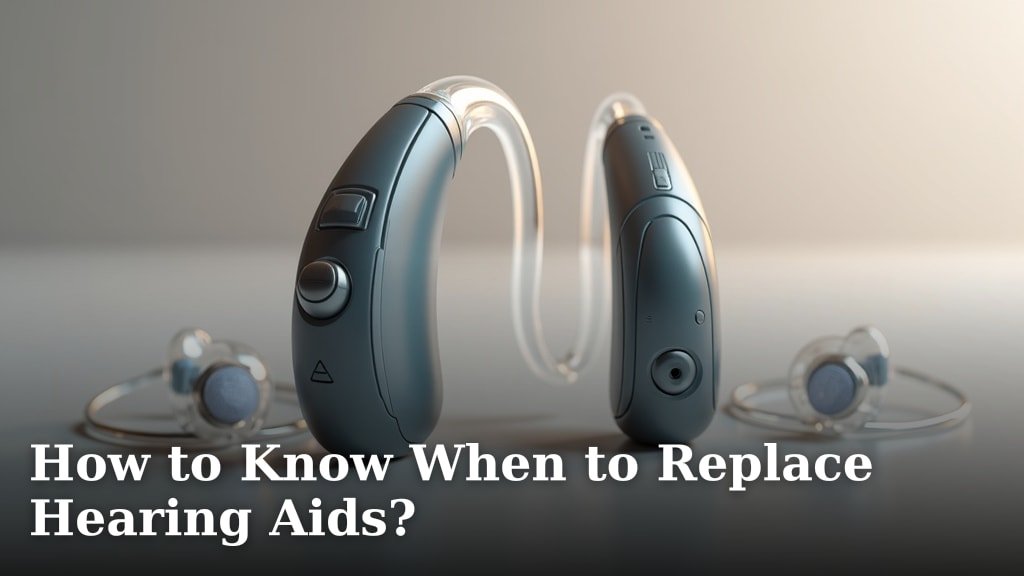
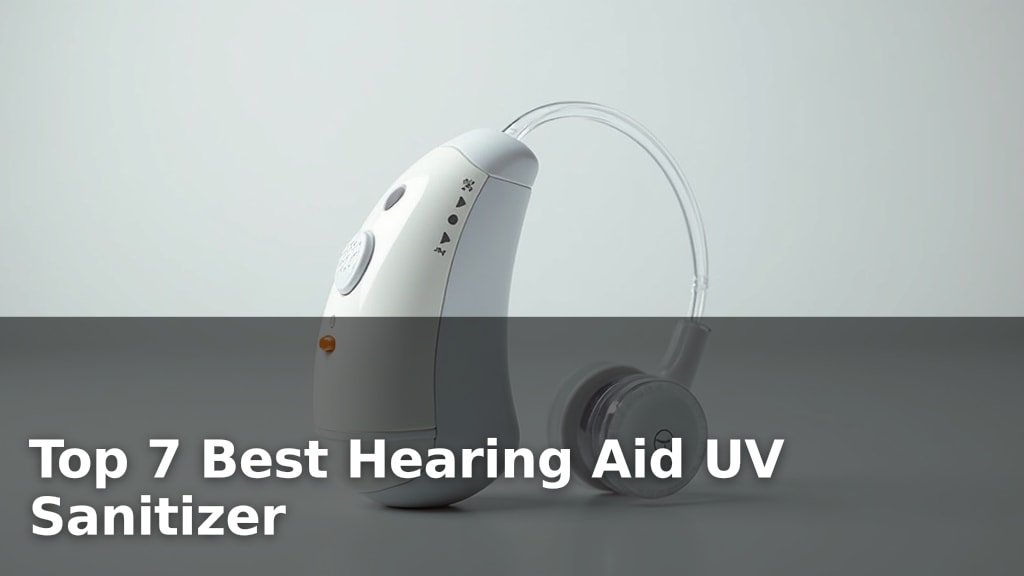
Hearing aids come with different types of receivers, most commonly RIC (Receiver-In-Canal) or BTE (Behind-The-Ear) models. Within these, there are variations in the receiver wire and the end that connects to the dome. Some common types of receivers that use specific domes include:
- Standard receivers: These are the most common and use standard domes.
- Cerumen-protected receivers: These have a special filter to prevent earwax buildup, and they require specific, compatible domes designed to work with the filter system.
- Smaller or custom receivers: Some very discreet hearing aids have unique receiver designs that require proprietary domes.
The size of the receiver wire also matters. You’ll see terms like “size 10,” “size 20,” or “size 30” for some brands, referring to the diameter of the receiver wire. The dome must match this size for a secure fit.
What About Generic or Universal Domes?
You might see “universal” or “generic” domes advertised. While some of these might offer a slightly wider range of compatibility, they are rarely a perfect fit for every hearing aid. They are often a compromise.
We found that while a “universal” dome might physically attach to some hearing aids, it might not provide the optimal acoustic seal or the most comfortable fit. For the best performance and longevity of your hearing aids, sticking with manufacturer-recommended accessories is generally the safest bet.
Your Quick Dome Compatibility Checklist
To make sure you’re choosing the right domes, keep these points in mind:
- Always check your hearing aid manual for recommended dome types.
- Ask your audiologist; they are the experts on your specific hearing aids.
- Examine your current domes for brand names or model numbers.
- Note the receiver type (e.g., standard, cerumen-protected) on your hearing aid.
- Be wary of “universal” domes; they might not offer the best performance.
- Never force a dome onto a receiver tube; it should fit easily.
Conclusion
We’ve walked through why hearing aid domes aren’t one-size-fits-all. Remember, they are precisely engineered for your specific hearing aid model. Using the wrong dome can really impact sound quality, comfort, and even potentially harm your device. Your audiologist is your best friend in this process. They can guide you to the perfect fit. Don’t hesitate to ask them for help. Making sure you have the right domes ensures your hearing aids work their best for you. Always check compatibility before purchasing new domes.
Frequently Asked Questions
Are there any universal domes that work with all hearing aids?
While some “universal” domes are marketed, they often aren’t a perfect match for every hearing aid. They might physically attach, but they may not provide the optimal acoustic seal. For the best sound quality and secure fit, sticking with manufacturer-recommended domes is usually advisable.
What happens if I accidentally use the wrong size dome?
Using the wrong size dome can lead to discomfort, a poor seal, and feedback or whistling sounds. It might also prevent your hearing aid from delivering sound correctly. In some cases, forcing a dome could potentially damage the receiver tube.
Can I buy hearing aid domes online without my audiologist?
You can often purchase domes online, but it’s crucial to know the exact type and size your hearing aid requires. Always refer to your user manual or consult your audiologist first. Buying from a reputable source that matches your hearing aid model is important.
How often should I replace my hearing aid domes?
Hearing aid domes should be replaced regularly, typically every 3-6 months, or sooner if they appear worn, torn, or lose their elasticity. Worn domes can affect the seal, comfort, and sound quality of your hearing aids.
My hearing aid manual uses a size number for domes, what does that mean?
Size numbers, like 10, 20, or 30, often refer to the diameter of the receiver wire your dome needs to fit. For example, a size 10 dome is designed for a smaller receiver wire than a size 30 dome. Ensuring your dome size matches your receiver wire size is key for a secure attachment.