How to Choose a Hearing Amplifier over a Hearing Aid?
On this page (7 sections)
Choosing between a hearing amplifier and a hearing aid depends on your specific needs and budget. Hearing amplifiers are generally for mild hearing loss and are more affordable. A hearing aid is a medical device for moderate to severe hearing loss, requiring professional fitting and adjustment. You can choose an amplifier if you only need a little help hearing conversations in quiet places, but a hearing aid is better for more significant hearing challenges.
Hearing amplifiers are like a volume knob for your ears, boosting sound levels. They are available over-the-counter and are not regulated as medical devices. Hearing aids, on the other hand, are customized medical devices prescribed by audiologists. They are designed to address specific frequencies and patterns of hearing loss, offering a more tailored solution for better clarity.
- Hearing amplifiers are for mild hearing loss.
- Hearing aids are for moderate to severe hearing loss.
- Amplifiers are more affordable and available OTC. Explore affordable and available OTC options for hearing assistance.
- Hearing aids require professional fitting and adjustment.
- Consider your hearing needs and budget carefully.
So, how do you know which one is right for you? Let’s walk through the key differences and considerations to help you make the best choice.
Understanding Your Hearing Needs: Amplifier vs. Aid
Deciding whether a hearing amplifier or a hearing aid is right for you can feel like a big choice. Many people wonder about the difference and what they really do. We’re here to help you sort it all out. Think of it this way: one is like a helpful tool for everyday listening, and the other is a more specialized medical device. Understanding this core difference is the first step.
When you start looking into options, you’ll see both terms used. It’s easy to get them mixed up. But they serve quite different purposes. A hearing amplifier is designed to boost sound for people with mild hearing difficulties. A hearing aid is built to correct more significant hearing loss. We’ve found that knowing your hearing loss level is key.
What is a Hearing Amplifier, Really?
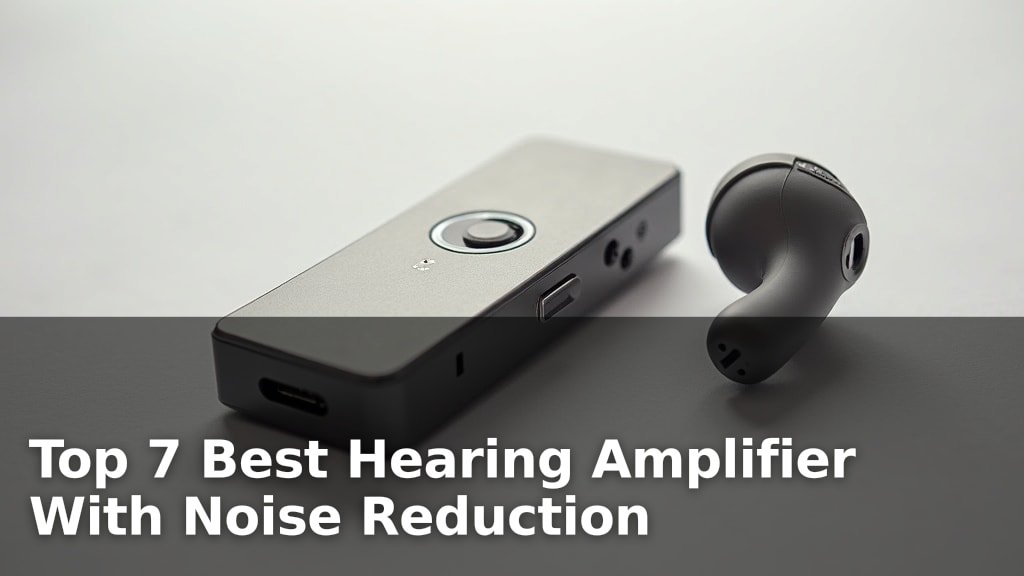
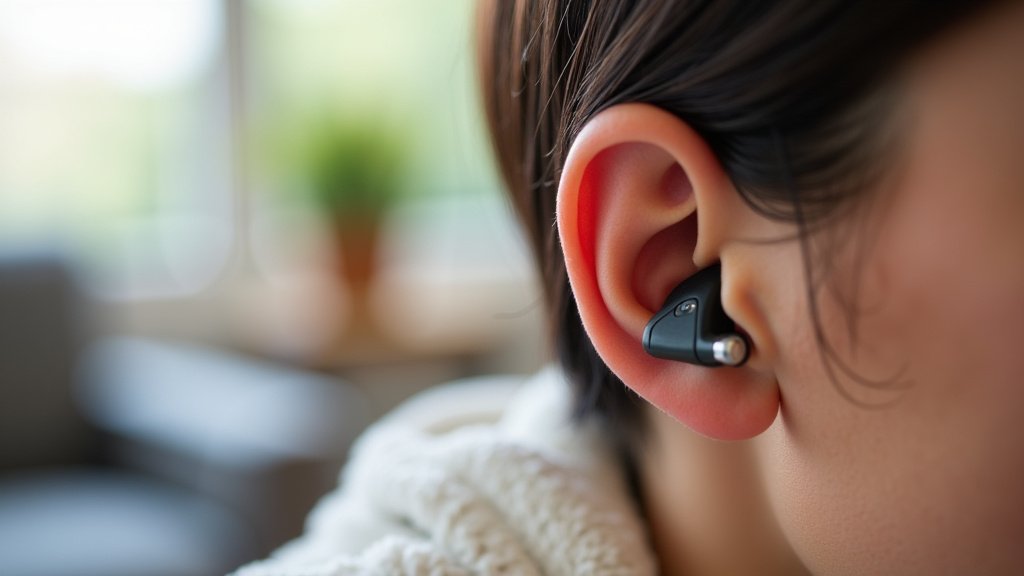
A hearing amplifier is essentially an electronic device that makes sounds louder. You can buy them without a prescription. They aren’t regulated as medical devices by the FDA. They often look like small earbuds or behind-the-ear devices. You might consider an amplifier if you struggle to hear conversations in quiet settings. Maybe you miss parts of what friends are saying. Or perhaps you want to hear the TV a bit better without disturbing others.
They work by picking up sound through a microphone. Then, they boost that sound. Finally, they send the louder sound to your ear. It’s like turning up the volume on your world. Many affordable options are available online and in stores. This accessibility makes them an attractive choice for many people experiencing minor hearing challenges. We found that their ease of purchase is a big draw.
Who Benefits Most from Amplifiers?
Hearing amplifiers are best suited for individuals with mild hearing loss. This means you can still hear and understand speech, but sometimes with difficulty. You might find yourself asking people to repeat themselves. Background noise can also make it hard to follow conversations. If your hearing loss is mild, an amplifier might provide enough of a boost.
They are particularly useful for specific situations. Think about noisy restaurants or group gatherings. Amplifiers can help by increasing the volume of speech. This can make it easier to pick out voices from the general din. However, they don’t correct for specific types of hearing loss. They just make everything louder. Many experts agree that for mild, general sound enhancement, amplifiers can be quite helpful.
Understanding Hearing Aids: A Medical Device
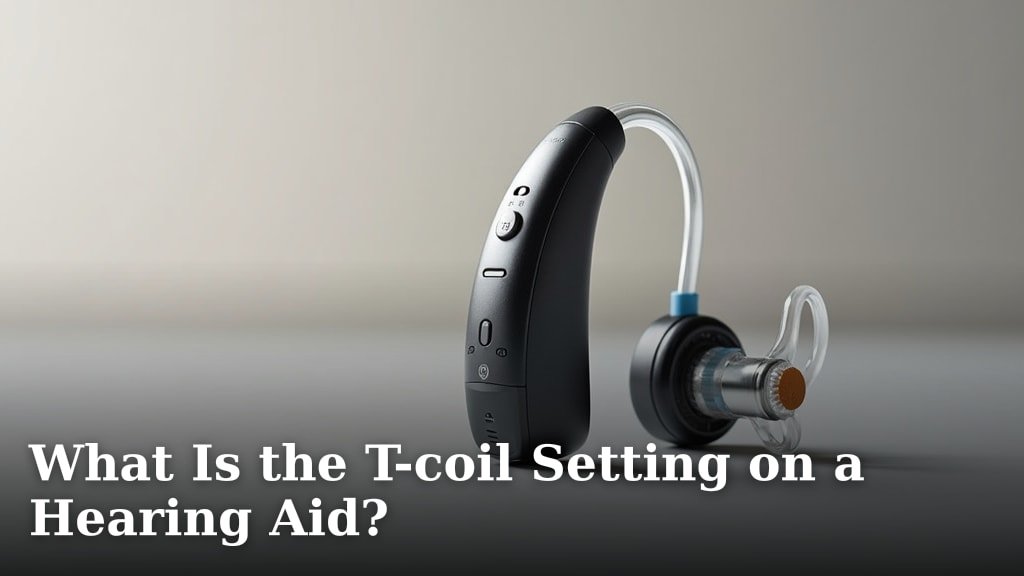
Hearing aids are a different story. They are considered medical devices. This means they are regulated by the FDA. They are designed to treat moderate to severe hearing loss. Hearing aids are not one-size-fits-all. They are programmed to address the specific frequencies and patterns of your unique hearing loss. This programming is done by a hearing healthcare professional, like an audiologist.
The process of getting a hearing aid usually starts with a hearing test. An audiologist will evaluate your hearing and discuss your needs. Then, they will select and program a hearing aid for you. This personalized approach ensures the device provides the best possible clarity and comfort. We found that this professional fitting is a key difference. It’s about restoring sound quality, not just volume.
Why are Hearing Aids More Complex?
The complexity of hearing aids comes from their ability to customize sound. They can adjust different frequencies differently. This means they can make high-pitched sounds clearer without making low-pitched sounds too loud. They can also reduce background noise. This is often a major struggle for people with more significant hearing loss. Research from institutions like the National Institute on Deafness and Other Communication Disorders (NIDCD) highlights this tailored approach.
Hearing aids use advanced technology. This includes digital signal processing. It allows for sophisticated adjustments. These adjustments can improve speech understanding significantly. They aim to make your listening experience more natural. This is why they are prescribed. They are not simply a volume booster. They are a sophisticated tool for hearing rehabilitation.
Key Differences at a Glance
Let’s break down the main distinctions in a simple way. Knowing these differences will help you decide which path to take. It’s all about matching the device to your needs.
| Feature | Hearing Amplifier | Hearing Aid |
|---|---|---|
| Regulation | Not a medical device; OTC purchase | FDA-regulated medical device; prescription required |
| Target Hearing Loss | Mild | Moderate to Severe |
| Customization | No specific frequency adjustment | Programmed for individual hearing loss |
| Professional Help | Not required | Required (audiologist, hearing specialist) |
| Price Range | Generally lower ($100 – $1,000) | Generally higher ($1,000 – $6,000+) |
| Primary Goal | Boost overall sound volume | Improve speech clarity and overall sound quality |
Cost Considerations
Price is often a significant factor for people. Hearing amplifiers are generally much more affordable. You can find many options for a few hundred dollars. Some high-end amplifiers might cost closer to $1,000. This makes them an accessible option for many budgets. It’s an initial investment that can help improve daily listening.
Hearing aids, on the other hand, represent a larger financial commitment. Their price often ranges from $1,000 to $6,000 or more per pair. This cost reflects the advanced technology, research, and professional services involved. Insurance coverage for hearing aids varies widely, so it’s wise to check your policy. We’ve seen that budget is a major deciding point for many.
Accessibility and Where to Buy
One of the biggest differences is how you get them. You can buy hearing amplifiers over-the-counter (OTC). This means you can purchase them online or in retail stores. There’s no need for a prescription or a doctor’s visit. This convenience is a major plus for some.
Hearing aids require a more involved process. You’ll typically need to visit a licensed audiologist or hearing instrument specialist. They will conduct a thorough hearing evaluation. Based on your results, they will recommend and fit the appropriate hearing aid. This professional guidance ensures you get a device that truly meets your needs. This expert fitting is designed to maximize the benefits.
When to Opt for an Amplifier
So, when is a hearing amplifier the right choice for you? If you’ve had your hearing tested and were told you have mild hearing loss, an amplifier might be suitable. You might also consider one if you only need help in specific, quiet environments. For example, if you struggle to hear your grandchildren’s whispers in a quiet living room, but hear fine in most other situations.
Perhaps you find yourself straining to hear dialogue in movies. Or maybe you want to hear the birds chirping in your backyard more clearly. If these types of issues are your primary concern, and you don’t have significant difficulty understanding speech, an amplifier could be a good starting point. We found that many people try amplifiers first for minor issues.
Situations Where Amplifiers Shine
Amplifiers can be great for situational listening. Are you going to a lecture where you need to catch every word? Or perhaps you’re attending a book club meeting in a quiet library. In these scenarios, an amplifier can boost the speech you need to hear. It’s like having a personal volume control for your ears.
They can also be helpful for people who enjoy hobbies that involve subtle sounds. Birdwatching or enjoying nature can be enhanced. If you want to hear the gentle rustle of leaves or the distant call of a bird a bit clearer, an amplifier might help. It’s about enhancing everyday sounds that might otherwise be missed.
When to Seek a Hearing Aid
A hearing aid is the better choice when your hearing loss is more substantial. If you have moderate to severe hearing loss, an amplifier is unlikely to provide adequate benefit. You might experience difficulty understanding conversations even in quiet settings. People might sound muffled, or you might miss key parts of what they say. This is where a hearing aid’s targeted approach becomes essential.
If you find yourself constantly asking people to repeat themselves, or if you avoid social situations because of listening difficulties, it’s time to consider a hearing aid. The Mayo Clinic often advises seeking professional help for persistent hearing challenges. A hearing aid can help you reconnect with the sounds of life. It can improve your quality of life significantly.
The Importance of Professional Diagnosis
Before you make any decision, it’s crucial to get a professional hearing evaluation. An audiologist can accurately diagnose the type and degree of your hearing loss. They can identify if your difficulties are related to age, noise exposure, or medical conditions. This diagnosis is the foundation for choosing the right solution. Without it, you might end up with a device that doesn’t address your actual needs.
Many audiologists offer free or low-cost initial consultations. This is a great opportunity to discuss your concerns and understand your hearing health. They can explain the different types of hearing aids available. They can also discuss the benefits of professional fitting. This expert advice is invaluable for making an informed decision. It ensures you’re not just guessing.
Making Your Decision: A Quick Checklist
To help you summarize, here’s a quick checklist to guide your thinking:
- Have you had a professional hearing test recently?
- Is your hearing loss mild, or moderate to severe?
- Do you need help just boosting overall sound, or improving speech clarity?
- What is your budget for a listening device?
- Are you comfortable purchasing a device without professional fitting, or do you prefer expert guidance?
- Do you experience difficulty in quiet settings, or primarily in noisy environments?
Conclusion
Choosing between a hearing amplifier and a hearing aid comes down to understanding your specific hearing needs and what you hope to achieve. Remember, amplifiers are designed for mild hearing loss to boost everyday sounds, while hearing aids are medical devices for moderate to severe loss, offering custom correction. Your budget and preference for professional guidance also play a big role. We’ve found that the best first step is always a professional hearing evaluation. This expert assessment will provide clarity and guide you toward the most effective solution for reclaiming your hearing comfort.
Frequently Asked Questions
Can a hearing amplifier help with tinnitus?
Generally, hearing amplifiers are not designed to treat tinnitus. Their primary function is to make external sounds louder. While some people might find that background noise from an amplifier distracts from their tinnitus, it’s not a targeted treatment. For tinnitus management, you should consult a hearing healthcare professional for specialized advice and solutions.
How do I know if my hearing loss is mild, moderate, or severe?
The only way to accurately determine the degree of your hearing loss is through a professional hearing test conducted by an audiologist or hearing instrument specialist. They will perform various tests to measure your ability to hear different frequencies and sound intensities. This professional assessment is key to identifying whether an amplifier or a hearing aid is appropriate for you.
Are hearing amplifiers considered safe if I have no hearing loss?
If you have no diagnosed hearing loss, using a hearing amplifier is generally not recommended. Amplifying sounds unnecessarily can potentially cause discomfort or even damage to your hearing over time. Hearing amplifiers are intended for individuals with specific hearing difficulties, not for general sound enhancement for those with normal hearing.
Can I try out a hearing amplifier before buying?
Many retailers and online stores that sell hearing amplifiers offer return policies, which can allow you to try them out within a certain timeframe. However, unlike hearing aids, there’s typically no formal trial period arranged through a professional. If you’re considering a hearing aid, audiologists usually offer trial periods as part of the professional fitting process.
What if my hearing loss changes over time?
If you have a hearing amplifier and notice your hearing difficulties worsening, or if you have a hearing aid and find it’s no longer providing sufficient benefit, it’s time for another hearing evaluation. Hearing loss can fluctuate or progress, especially with age or certain health conditions. A professional assessment will determine if you need an adjustment, a different device, or a consultation for a hearing aid.