How to Hide Hearing Aids?
On this page (3 sections)
Yes, you can absolutely hide hearing aids. Many people prefer to make their hearing aids less visible, and there are several effective methods to achieve this. From choosing discreet styles to using smart styling tricks, it’s easier than you think to feel confident about your hearing device.
The goal is often to blend your hearing aids with your natural features or accessories. You can select devices that match your skin tone or hair color, or try styles that sit almost unseen. Many users find that a little planning goes a long way in managing the appearance of their hearing aids, making them feel more comfortable in social settings.
- Choose hearing aids that match your skin or hair color.
- Consider smaller, behind-the-ear (BTE) or in-the-ear (ITE) models.
- Style your hair to cover behind-the-ear devices naturally.
- Use accessories like scarves or hats strategically.
- Talk to your audiologist about the most discreet options available.
Let’s walk through some easy strategies and tips to help you make your hearing aids less noticeable, so you can focus on hearing your best.
Making Your Hearing Aids Less Obvious
You’re wondering how to make your hearing aids less noticeable. This is a common concern for many people who use them. The good news is there are plenty of ways to achieve this. We’ll cover choosing the right device and some smart styling tips.
The goal is usually to blend your hearing aids with your natural appearance. You might want them to match your skin tone or hair color. Or perhaps you’re looking for styles that sit discreetly. Planning ahead can help you feel more confident in social situations.
Understanding Your Hearing Aid Options
Your first step is knowing the different types of hearing aids. Each style has its own level of visibility. Some are designed for maximum discretion. Others are more noticeable but might offer certain benefits. We’ll look at the most common ones.
Behind-the-Ear (BTE) Models
BTE hearing aids are one of the most popular choices. They consist of a shell that rests behind your ear. A clear tube or wire connects to an earmold that fits inside your ear canal. These are often chosen for their power and features.
Modern BTE devices are much smaller than older models. Many come in a variety of colors. You can often find ones that match your skin tone or hair color. This helps them blend in quite well. Some even have very thin wires and tiny transparent receivers. These are sometimes called Receiver-In-Canal (RIC) or Receiver-In-Ear (RIE) devices. They are designed to be much less visible.
In-the-Ear (ITE) Models
ITE hearing aids are custom-made to fit in your outer ear. They are larger than some other types. This allows for more room for features and batteries. They are typically easier to handle and insert.
These can also be made to match your ear canal color or skin tone. The larger size can sometimes make them more noticeable than smaller options. However, their custom fit means they stay put securely. Many people find them quite comfortable. Some ITE models are quite small and fill up only the outer bowl of the ear. These are called low-profile ITEs. Others fill the entire bowl and are more visible.
Completely-In-Canal (CIC) and Invisible-In-Canal (IIC) Models
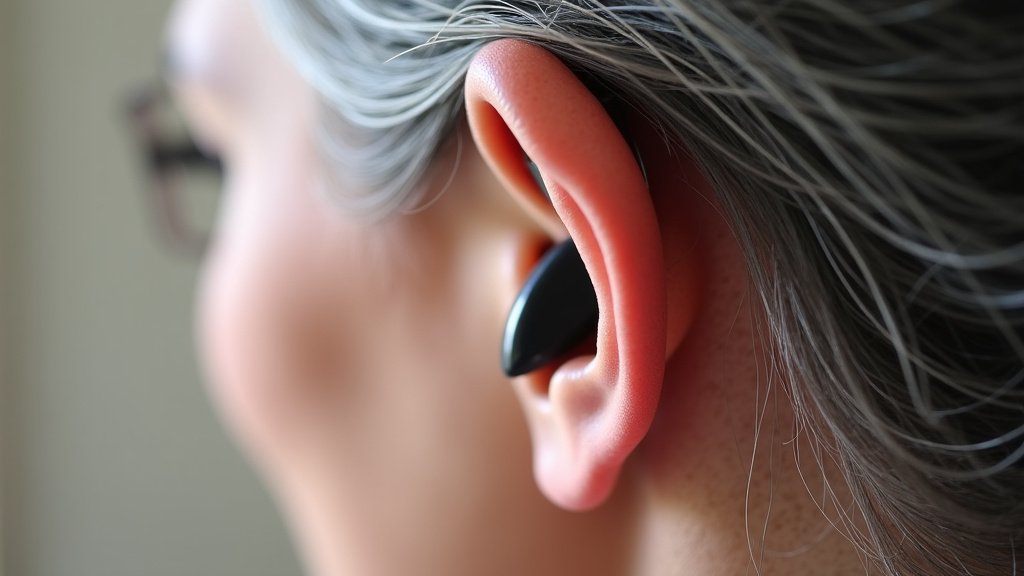
These are the smallest hearing aid types available. They are custom-made to fit deep inside your ear canal. Because they are so small and deep, they are virtually invisible from the outside. This is their main advantage.
CIC and IIC devices are excellent choices if discretion is your top priority. They are excellent for mild to moderate hearing loss. However, their small size means they may not have as many features as larger devices. Battery life can also be shorter. They can also be more difficult to handle for those with dexterity issues. We found that many users love their extreme discretion.
Invisible-In-Ear (IIE) Models
This is a newer category of very small custom-made hearing aids. They are designed to sit deeper in the ear canal than CICs. They are so deep that they are practically impossible to see. Think of them as the next level of invisibility.
These are ideal for people who want their hearing aids to be completely unnoticeable. They are made to fit your unique ear canal shape. Like CICs, they are best suited for mild to moderate hearing loss. Your audiologist can help you determine if your hearing loss is suitable for these ultra-discreet devices.
Color and Skin Tone Matching
One of the most effective ways to make hearing aids less noticeable is to choose the right color. Think about where your hearing aid will sit. Is it behind your ear? In your ear canal? Or on top of your ear?
For BTE and RIC devices, matching your hair color can be a great strategy. If you have dark hair, choose dark brown or black. For blonde hair, a beige or light brown works well. Gray hair can be matched with gray or silver devices. Many manufacturers offer a wide palette of colors. Don’t be afraid to ask your audiologist for samples.
For ITE, CIC, and IIC devices, matching your skin tone is key. This is especially true if any part of the device will be visible in the outer ear or canal opening. You can get devices that are a light beige, brown, or even flesh-toned. The goal is to make them blend right in.
Hair and Styling Strategies
Your hairstyle can play a big role in hiding hearing aids. If you wear your hair down, it can naturally cover BTE devices. Side-swept bangs can also help conceal hearing aids worn on one side. For men with shorter hair, this can be trickier.
Consider hairstyles that provide natural coverage. Layered cuts can create movement and depth, making it harder to spot a hearing aid. If you have a medium to longer length, consider styles that you can sweep to one side. We found that many people with longer hair use their hair to cover their BTE devices with great success.
For those with shorter hair, you might need to get creative. Some people find that styling their hair slightly forward on the side of their hearing aid can help. It’s a subtle shift. Another idea is to get a haircut that has some volume or texture. This can distract the eye.
Accessorizing to Conceal
Accessories are your best friends when it comes to discreetly wearing hearing aids. Scarves and hats can be wonderful tools. A beautifully patterned scarf can draw attention to your face, not your ears. A well-placed hat can also cover BTE devices.
Consider the type of scarf and how you wear it. A cozy knit scarf in cooler weather can be quite effective. In warmer months, a lighter silk scarf can work wonders. For hats, think about styles that have some brim or depth. Beanies, fedoras, or even baseball caps can hide BTE devices. The key is to make it look natural, not like you’re deliberately trying to hide something.
Jewelry can also be a distraction. Wearing attractive earrings can draw attention away from your ears. A statement necklace can also redirect focus. It’s all about directing the eye. We found that a well-chosen accessory can make your hearing aids practically disappear.
The Role of Your Audiologist
Your audiologist is your most important partner in this process. They have the expertise to guide you. They understand the technology and the aesthetic considerations.
When you visit your audiologist, be upfront about your desire for discreet hearing aids. Tell them your specific concerns. They can then recommend the best styles for your hearing loss and lifestyle. They can also show you the available colors and options. Don’t hesitate to ask to see examples of different models. Many experts agree that open communication is key (CDC).
Your audiologist can also explain the pros and cons of each discreet option. For example, while CIC aids are tiny, they might not be suitable for everyone. They might have limitations on battery size or wireless features. Your audiologist will help you weigh these factors. They are dedicated to finding a solution that works for you, both audibly and visually.
Maintenance and Care for Discreet Devices
Keeping your hearing aids clean is important for their performance. It’s also important for their appearance. A dirty or clogged hearing aid can look discolored or unpleasant.
For BTE and RIC devices, the receivers and earmolds need regular cleaning. For ITE, CIC, and IIC devices, earwax buildup can be a bigger issue because they sit deeper in the ear. Your audiologist will provide you with cleaning tools and instructions. Following these carefully will keep your devices looking their best.
We found that most discreet hearing aids come with a cleaning kit. This often includes a small brush and a wax tool. Some also come with cleaning wipes. Making this a part of your daily routine will help ensure your hearing aids remain almost invisible. It also ensures you get the best possible sound quality.
A Quick Checklist for Discreet Hearing Aids
Here’s a handy checklist to help you on your journey to discreet hearing aids:
- Talk to your audiologist about your desire for discreet options.
- Consider the style that best suits your hearing loss and ear anatomy.
- Choose colors that match your hair or skin tone.
- Experiment with hairstyles that offer natural coverage.
- Use accessories like scarves or hats to draw attention elsewhere.
- Follow a regular cleaning routine to keep your aids looking their best.
Choosing the right hearing aid and using smart styling tricks can make a big difference. You can feel confident and comfortable. Remember, the goal is to hear the world around you, and feeling good about how you do it is part of that.
Conclusion
You’ve learned that hiding hearing aids is entirely achievable with the right approach. By understanding your device options, matching colors to your features, and using smart styling and accessory tricks, you can feel much more comfortable. Remember, your audiologist is your key partner in finding the most discreet solution for your needs. Taking these steps means you can focus on enjoying conversations and the sounds around you, rather than worrying about your hearing device.
Frequently Asked Questions
Can I wear my hair down to hide behind-the-ear hearing aids?
Yes, wearing your hair down is a very effective strategy for concealing behind-the-ear (BTE) hearing aids. Styles that offer natural coverage, like longer layers or side-swept hair, can work wonders. Experiment to see what feels most comfortable and looks most natural for you.
Are invisible hearing aids really that undetectable?
The smallest styles, like Completely-In-Canal (CIC) and Invisible-In-Canal (IIC) models, are designed to be virtually invisible. They fit deep within your ear canal, making them extremely hard to spot from the outside. They are excellent choices when discretion is your top priority.
What’s the best way to choose a color for my hearing aid?
For behind-the-ear devices, matching your hair color is often best. For in-the-ear styles, try to match your skin tone for a natural blend. Your audiologist can show you a wide range of color options to help you find the perfect match.
Can hats or scarves help hide my hearing aids?
Absolutely! Accessories like hats and scarves can be great tools for discretion. A stylish hat can cover behind-the-ear devices, while a well-chosen scarf can draw attention to your face. The key is to make it look natural and effortless.
How do I keep my very small hearing aids clean?
Discreet hearing aids, especially those that fit inside the ear canal, require regular cleaning to prevent earwax buildup. Your audiologist will provide specific cleaning tools and instructions. Making this a part of your daily routine ensures both performance and appearance.