Is It Safe to Wear Hearing Aids Every Day?
On this page (7 sections)
Yes, it is generally very safe to wear hearing aids every day. In fact, for most people with hearing loss, wearing them daily is highly recommended by audiologists. Your ears are designed to hear sounds, and consistent use helps your brain adapt to these sounds better.
When you wear your hearing aids regularly, you can experience a vast improvement in your quality of life. You’ll likely find it easier to communicate in noisy places and enjoy conversations more. Many studies show that consistent hearing aid use can also support cognitive health.
- Wearing hearing aids daily is safe and beneficial.
- It helps your brain process sounds better.
- Consistent use improves communication and social engagement.
- Regular wear may support your brain health.
- It’s generally recommended by hearing care professionals.
Let’s dive into why wearing your hearing aids every day is a smart choice and what you should know to keep them working their best for you.
Your Hearing Aids: Daily Wear for Better Hearing
Yes, it is generally very safe to wear your hearing aids every day. In fact, for most people with hearing loss, wearing them daily is highly recommended by audiologists. Your ears are designed to hear sounds, and consistent use helps your brain adapt to these sounds better.
When you wear your hearing aids regularly, you can experience a vast improvement in your quality of life. You’ll likely find it easier to communicate in noisy places and enjoy conversations more. Many studies show that consistent hearing aid use can also support cognitive health.
- Wearing hearing aids daily is safe and beneficial.
- It helps your brain process sounds better.
- Consistent use improves communication and social engagement.
- Regular wear may support your brain health.
- It’s generally recommended by hearing care professionals.
Let’s dive into why wearing your hearing aids every day is a smart choice and what you should know to keep them working their best for you.
Understanding Why Daily Hearing Aid Use is Key
Think of your hearing aids as glasses for your ears. Just as you wouldn’t wear glasses only for special occasions, consistent use of hearing aids is often best. Your brain needs regular input to make sense of sounds. When you wear them daily, you’re giving your brain that consistent practice.
The Brain’s Role in Hearing
Hearing isn’t just about your ears picking up sound. It’s a complex process involving your brain. Your brain interprets the signals from your ears. When hearing loss occurs, this process can become harder. Your brain might struggle to distinguish speech from background noise.
Wearing hearing aids daily helps retrain your brain. It provides clearer sound signals. This allows your brain to better process and understand speech. Research shows that untreated hearing loss can lead to increased cognitive load. This means your brain works harder to hear (NCBI).
Preventing Auditory Deprivation
If you don’t wear your hearing aids regularly, you risk auditory deprivation. This is when the auditory pathways in your brain aren’t getting enough stimulation. Over time, this can make it even harder to understand speech, even with amplification. It’s like a muscle that gets weaker if you don’t use it.
Consistent use ensures these pathways stay active and responsive. It helps maintain your brain’s ability to process sound. Many hearing health professionals stress that this is a major reason for daily wear. It helps prevent further decline in hearing ability.
Are There Any Risks to Wearing Hearing Aids Every Day?
For the vast majority of users, wearing hearing aids daily poses no significant risk. Nighttime wear raises a separate question; see our guide to wearing aids while asleep. Modern hearing aids are designed with comfort and safety in mind. However, like anything new, there are a few things to be aware of to ensure a positive experience.
Comfort and Fit: The First Step
Your hearing aids should feel comfortable. If you experience pain or irritation, it’s usually a sign that something isn’t quite right. This could be the fit of the earmold or the way the device sits in your ear.
Discomfort is not normal. It’s important to talk to your audiologist if you have any issues. They can adjust the fit, try different earmold materials, or even recommend a different style of hearing aid. A good fit is essential for comfortable, daily wear.
Earwax Management
Hearing aids can sometimes seem to “attract” earwax. However, it’s more that the device sits in your ear canal, and you might notice earwax more. Proper earwax management is important for both your ear health and your hearing aid function.
Excessive earwax can block the sound pathways of your hearing aid. This will make it sound muffled or even stop working. You should follow your audiologist’s advice on cleaning your ears. Generally, avoid inserting anything into your ear canal, like cotton swabs. Your audiologist can safely remove earwax if needed.
Check your hearing aid filters regularly. Many hearing aids have small filters that can get clogged with wax. Your audiologist will show you how to clean or replace these. Keeping them clean ensures clear sound transmission.
Skin Irritation and Allergies
In rare cases, some people might experience skin irritation. This could be due to the material of the hearing aid or earmold. It might also be related to moisture trapped in the ear canal.
If you notice redness, itching, or a rash, let your audiologist know. They can check the device materials. Sometimes, a simple cleaning routine can help. Ensuring your ears are dry after cleaning can also prevent irritation. Most materials used are hypoallergenic and well-tolerated.
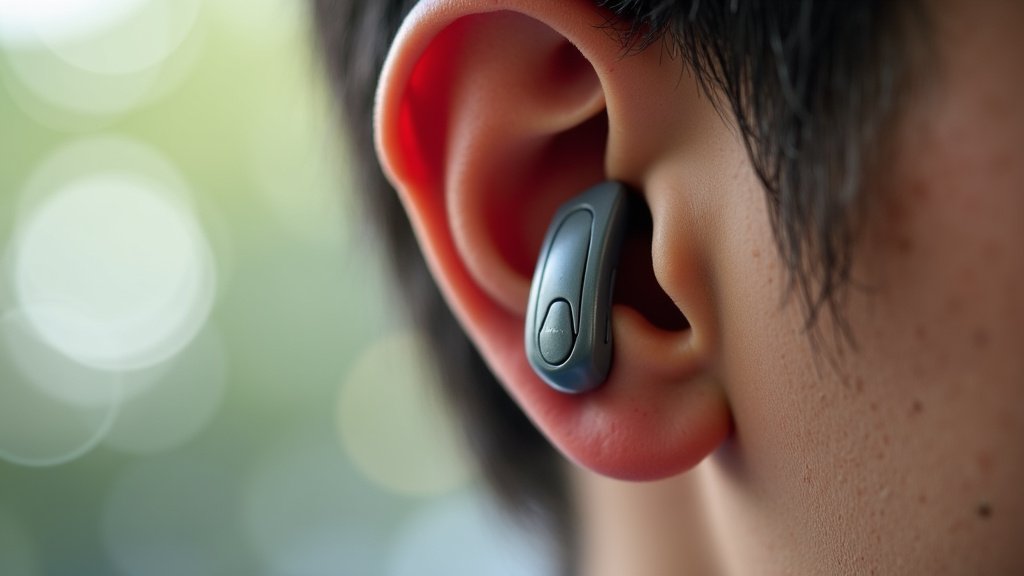
Maximizing Your Daily Hearing Aid Experience
To get the most out of wearing your hearing aids every day, a little bit of care goes a long way. It’s about more than just putting them on in the morning. Think of it as a partnership between you, your hearing aids, and your hearing healthcare provider.
Proper Cleaning and Maintenance
Keeping your hearing aids clean is probably the most important part of daily care. Dirt, earwax, and moisture are the main enemies of your devices.
Daily cleaning: Wipe down your hearing aids with a soft, dry cloth at the end of each day. Remove any visible earwax or debris. Many hearing aids come with a cleaning brush for this purpose.
Drying: Moisture can damage the delicate electronics. Always remove your hearing aids before showering, swimming, or exercising strenuously. Use a dehumidifier or drying box overnight to remove any trapped moisture. This is especially important in humid climates.
Regular Audiologist Check-ups
Your hearing aids are sophisticated pieces of technology. They need occasional professional attention to perform at their best. Your audiologist is your best resource for this.
Annual check-ups: We found that regular visits (at least once a year) are recommended. Your audiologist will check the device’s performance. They can clean the internal components. They also ensure your hearing aid settings are still optimal for your hearing needs. Your hearing can change over time, and your aids may need adjustments.
Troubleshooting: If you notice any changes in sound quality or performance, don’t wait for your next appointment. Contact your audiologist right away. They can often resolve issues quickly.
Battery Care
Modern hearing aids use either disposable batteries or rechargeable batteries. Both have simple care routines.
Disposable batteries: Always handle batteries with clean, dry hands. Store spare batteries in a cool, dry place. When a battery is low, replace it promptly. Don’t try to recharge non-rechargeable batteries. This can be a fire hazard.
Rechargeable batteries: Follow the manufacturer’s instructions for charging. Most simply require placing them in their charging case overnight. Avoid exposing the charger and hearing aids to extreme temperatures. We found that consistent charging ensures you have a full day of power.
A Quick Checklist for Daily Hearing Aid Success
To help you maintain a smooth and effective daily routine with your hearing aids, keep these simple points in mind:
- Clean your hearing aids daily with a soft, dry cloth.
- Check and clean earwax filters regularly.
- Store your hearing aids in a dry environment, especially overnight.
- Manage earwax by following your audiologist’s advice.
- Attend your scheduled audiologist appointments for tune-ups.
- Change disposable batteries or charge rechargeable ones as needed for consistent power.
Conclusion
You’ve learned that wearing your hearing aids daily is not only safe but also highly beneficial for your hearing health and overall well-being. Consistent use helps your brain stay engaged with sound, preventing auditory deprivation and improving your ability to communicate. By following simple care routines and attending regular check-ups with your audiologist, you can ensure your hearing aids function optimally for years to come. Take that step today to enjoy clearer conversations and a richer listening experience by making daily wear a habit.
Frequently Asked Questions
Can I wear my hearing aids while sleeping?
It’s generally not recommended to wear your hearing aids while sleeping. They are designed for waking hours to help you hear your environment. Sleeping with them in can potentially cause discomfort, damage the devices, or block necessary airflow to your ear canal.
What should I do if my hearing aid feels uncomfortable after wearing it all day?
If your hearing aid causes discomfort after daily wear, you should speak with your audiologist. The issue might stem from the fit of the earmold, the device’s position, or even a minor irritation. Your audiologist can make adjustments to ensure a comfortable fit for all-day use.
How often should I clean my hearing aids when wearing them daily?
You should clean your hearing aids daily. A simple wipe-down with a soft, dry cloth at the end of each day helps remove earwax and debris. More thorough cleaning, like checking filters, should follow your audiologist’s specific recommendations.
Is it okay to swim or shower with hearing aids on?
No, you should always remove your hearing aids before swimming or showering. They are not waterproof and exposure to water can severely damage the delicate electronic components. Always store them in a dry place afterward.
My hearing aids sound muffled. Does this mean they are unsafe to wear?
A muffled sound usually means your hearing aids need cleaning or maintenance, not that they are unsafe. Earwax or moisture can block the sound outlet. Check and clean the filters as your audiologist instructed, and if the problem persists, contact them for assistance.