How to Travel with Hearing Aids?
On this page (8 sections)
Yes, you can absolutely travel with hearing aids! It’s important to know a few tips to make sure your hearing devices work well and stay safe while you’re on the go. For nonprescription models suited to trips, compare OTC hearing aids for travel. Proper preparation can prevent common travel issues and ensure you hear every announcement and conversation.
Traveling with hearing aids involves simple steps like keeping them protected and knowing how to manage battery life. Many travelers find that with a little planning, enjoying their trip without hearing aid worries is entirely possible. We’ll cover everything you need to know for a smooth journey.
- Keep hearing aids in their case when not in use.
- Pack extra batteries or a charger.
- Be aware of security scanners.
- Protect them from moisture and extreme heat.
- Know how to clean them on the go.
Let’s walk through exactly how to travel with your hearing aids, step by step, so you can focus on enjoying your adventure.
“`htmlNavigating Your Travels with Hearing Devices
Traveling with hearing aids is totally doable! You just need a little smart preparation. This guide will help you keep your hearing aids safe and working perfectly. Get ready for a worry-free adventure.
Packing Smart for Your Hearing Aids
Essential Items to Bring Along
When you pack, think about what your hearing aids need to function well. This means having backups and protective gear. You wouldn’t leave home without your phone charger, right? Your hearing aids need the same consideration.
- Extra batteries or a charging case.
- A protective hard-shell case for storage.
- A cleaning kit with a brush and cloth.
- A small dehumidifier or silica gel packet.
- Your hearing aid manual or a printed copy.
Battery Management on the Go
Running out of battery can really put a damper on your trip. For rechargeable hearing aids, a portable charging case is a lifesaver. Some cases can hold multiple charges, giving you days of power. If you use disposable batteries, pack more than you think you’ll need. A good rule of thumb is to double your usual supply.
We found that many travelers keep a small stash of batteries in their purse, backpack, and even a jacket pocket. This way, you always have them within reach. Remember, battery life can be affected by temperature and humidity, so keep them stored properly.
Protecting Your Hearing Aids from Damage
Your hearing aids are small but can be delicate. A sturdy carrying case is non-negotiable. It should be firm enough to prevent crushing. When you take them out, always put them directly into their case. This prevents accidental drops or misplacement.
Think of the case as a mini safe for your hearing. It protects them from bumps, dust, and losing them. Many hearing aid manufacturers offer specific travel cases with your devices. If yours didn’t come with one, look for a universal hard-shell case. You can often find them at pharmacies or online.
Dealing with Moisture and Humidity
Moisture is a hearing aid’s worst enemy. Sweat, rain, and even high humidity can cause damage. Always remove your hearing aids before swimming or showering. Even steamy bathrooms can be a problem. A water-resistant travel pouch can offer extra protection when you’re out and about.
When you return to your hotel room, use a dehumidifier or silica gel packet. These small packets absorb moisture. Place your hearing aids in their case with the packet overnight. This helps them dry out thoroughly. Many experts recommend this practice to extend the life of your devices (American Academy of Audiology).
Navigating Airport Security with Hearing Aids
What to Expect at Security Checkpoints
Airport security can feel a bit intimidating. You might wonder if you need to remove your hearing aids. The good news is, usually, you don’t. Most hearing aids are made with materials that won’t set off metal detectors. They are also generally safe from the radiation in full-body scanners.
However, it’s always best to be prepared. If you feel uneasy, you can ask to be screened by pat-down instead. You can also inform the TSA officer that you are wearing hearing aids. They are trained to handle such situations discreetly and efficiently.
Tips for a Smooth Security Experience
To make things easier, consider removing your hearing aids and placing them in their protective case. Then, place the case in your carry-on bag. This way, they are protected and you don’t have to worry about them during the screening process. Remember to keep your case visible in your bag.
If you have a cochlear implant, the rules might be slightly different. Many cochlear implant users are advised to remove their external speech processor before going through the body scanner. Always check with your audiologist and the specific airline or airport security guidelines before you fly. Researching ahead can save you stress.
Keeping Your Hearing Aids Clean While Traveling
Daily Cleaning Routine
Just like at home, daily cleaning is important. Pack a small cleaning brush and a soft cloth. After a day of sightseeing, gently brush away any earwax or debris. Wipe them down to remove sweat or moisture. A clean hearing aid performs better and lasts longer.
You can find travel-sized cleaning kits that are perfect for your luggage. These kits usually contain everything you need. Keep your cleaning supplies in a small, easy-to-access pouch in your carry-on. This way, you can clean them whenever needed, even between destinations.
Dealing with Unexpected Issues
What if your hearing aid stops working? It’s rare, but it can happen. First, check the batteries. Are they fresh or fully charged? Next, ensure there’s no wax blocking the sound outlet. Use your cleaning brush gently.
If you’re still having trouble, don’t panic. Contact your audiologist back home. They can often help you troubleshoot over the phone. You might also be able to find a local hearing aid provider at your destination who can offer assistance. Keep a record of your hearing aid model and serial number handy, just in case.
Protecting Your Hearing Aids from Extreme Temperatures
Heat and Cold Considerations
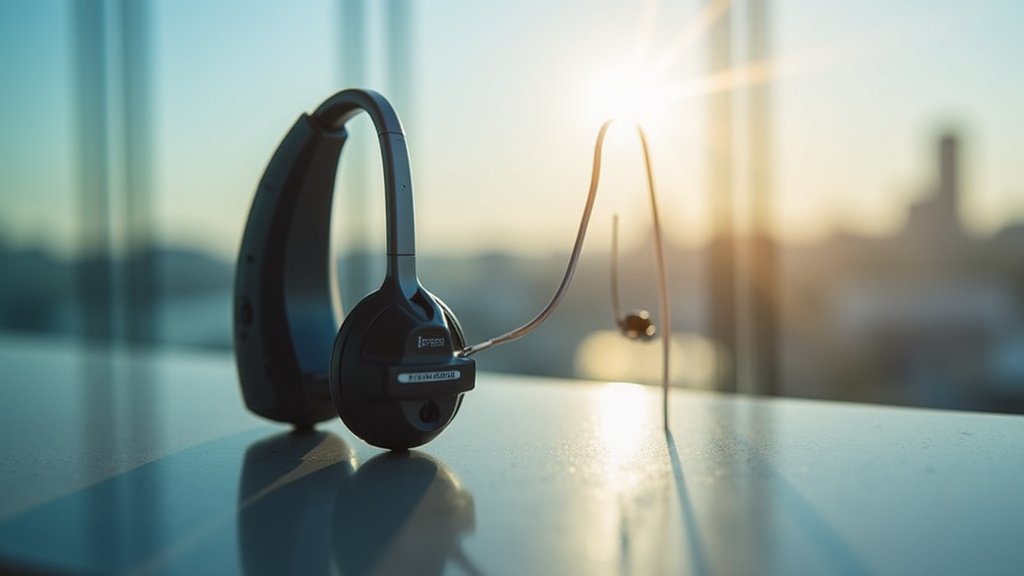
Extreme temperatures can harm your hearing aids. Avoid leaving them in a hot car or direct sunlight for extended periods. Heat can damage the internal components and batteries. Similarly, extreme cold can affect battery performance and make plastic parts brittle.
If you are traveling to a very cold climate, keep your hearing aids in an inside pocket close to your body. This helps maintain a more stable temperature. When returning to a warmer environment, allow them to adjust gradually before wearing them. This prevents condensation from forming inside the devices.
A Quick Checklist for Your Trip
Here’s a handy checklist to make sure you’re fully prepared:
- Protect: Pack a hard-shell case.
- Power: Bring extra batteries or a reliable charger.
- Clean: Include a small cleaning kit.
- Dry: Pack silica gel packets or a dehumidifier.
- Inform: Know how to alert airport security.
- Backup: Have your audiologist’s contact info.
Conclusion
You’ve got this! Traveling with your hearing aids can be just as smooth as any other aspect of your trip. By packing smart with extra batteries and a protective case, you’re already ahead of the game. Remember to shield them from moisture and extreme temperatures, and don’t hesitate to alert airport security. A little preparation goes a long way.
Now, take a moment to create your personalized hearing aid travel checklist based on these tips. You’ll be ready to focus on making wonderful memories, knowing your hearing aids are well taken care of.
Frequently Asked Questions
What’s the best way to store my hearing aids during a flight?
Always use a sturdy, hard-shell case for your hearing aids. This protects them from accidental drops and crushing. Place this case in your carry-on bag so it remains with you throughout the flight and security screening.
Can I wear my hearing aids through airport security scanners?
Generally, yes. Most modern hearing aids are safe for metal detectors and body scanners. However, if you feel uncomfortable, you can always ask for a pat-down screening and inform the TSA officer about your devices.
How do I protect my hearing aids from humidity at a beach destination?
It’s wise to remove your hearing aids before swimming or showering. When not in use, store them in their case with a silica gel packet or a small dehumidifier. This actively draws out moisture.
What if my hearing aid battery dies unexpectedly while I’m traveling?
Always pack extra batteries or ensure your portable charger is fully ready. If you’re caught without power and spares, contact your audiologist for advice; they might guide you through troubleshooting or suggest local options.
Are there any special considerations for rechargeable hearing aids when traveling?
Yes, a portable charging case is essential. These cases can often provide several extra charges, giving you power for days. Make sure to pack the correct charging cable and any necessary adapters for your destination’s power outlets.