Is It Worth Buying a Captioned Telephone?
On this page (8 sections)
Yes, buying a captioned telephone is often worth it if you have trouble hearing conversations. These special phones display a typed version of what the other person is saying, helping you follow along easily. They are a great accessibility tool for many people.
A captioned telephone, sometimes called a CapTel phone, works with a service that types out the conversation in near real-time. This can be a life-changer for communication, especially if you find regular phone calls a struggle. Many find them more effective than simple amplifiers.
- Captioning helps you read along during calls.
- They connect to a special service for typing.
- They can make phone conversations much easier.
- Consider your hearing needs to decide if it’s right for you.
Let’s walk through what makes these phones special and who can benefit the most from using one.
Making Phone Calls Easier with Captioned Telephones
If you find it tough to follow phone conversations, you’re not alone. Many people struggle with hearing over the phone. A captioned telephone, or CapTel phone, can make a big difference. It displays captions of what the other person says. This helps you keep up with the conversation more easily. It’s a **fantastic tool for better communication**.
Think of it like watching a movie with subtitles. You can read what’s being said while you listen. This isn’t just a simple volume booster. It uses a special service to provide the captions. This service is often free for eligible users. It’s designed to bridge the gap for those with hearing loss.
How Does a Captioned Telephone Work?
It might sound complicated, but the process is quite straightforward. You make a phone call just like you normally would. The magic happens in the background. Here’s a breakdown of the steps involved:
The Call Process
When you dial a number, the call is routed through a special relay service. This service has trained communication assistants. These assistants listen to what the other person is saying. They then type out the conversation in real-time. This text appears on your phone’s screen. You can then read the captions as you listen.
The Role of the Captioned Telephone Service
The service is key to making this work. It’s available 24/7. The communication assistants are skilled in rapid typing and clear transcription. They understand different accents and speaking speeds. This service is funded by the Federal Communications Commission (FCC). This makes it accessible to many individuals without direct cost.
Types of Captioned Telephones
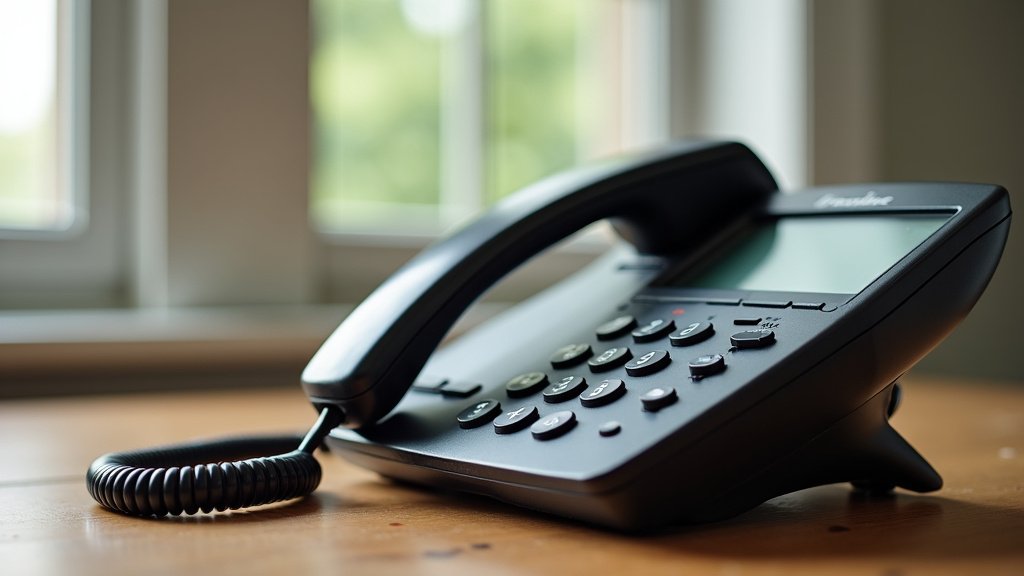
You’ll find a few different types of captioned phones available. Some are traditional-looking phones. Others are more like smartphones with a built-in screen. There are also apps you can use on your computer or mobile device. The core function remains the same: providing captions for your calls.
Who Can Benefit the Most from a CapTel Phone?
These phones are a godsend for many. The primary users are individuals with some level of hearing loss. This includes people with mild to severe hearing impairment. It can also help those who experience background noise interference. Sometimes, even a temporary ear infection can make calls difficult. CapTel phones can be a solution then too.
Specific Hearing Conditions
Conditions like presbycusis, which is age-related hearing loss, often make phone calls challenging. Tinnitus, a ringing in the ears, can also make it hard to focus on conversations. Even certain medical treatments can affect hearing. If these situations make phone communication a struggle, a captioned telephone could be a real quality-of-life improvement.
Beyond Hearing Loss: Other Use Cases
While hearing loss is the main driver, other situations can benefit. If you are in a noisy environment, like a busy cafe or airport, captions can help. You can focus on reading the text. This allows you to stay connected even when listening is difficult. It’s about ensuring you don’t miss important information.
Are Captioned Telephones Truly Worth the Investment?
The question of “worth it” depends on your individual needs. For someone who relies heavily on phone calls for work or personal life, the benefits can be immense. Imagine not having to say “What?” or “Can you repeat that?” multiple times per call. That’s a huge relief for many.
Cost and Accessibility
Many people think these specialized phones are very expensive. However, thanks to FCC regulations, the captioned telephone service itself is typically free. The cost comes from the phone device. Some companies offer these phones at a reduced price or even free to eligible individuals. You can often get them through your local telephone company or specialized providers. This lowers the barrier to entry considerably.
Comparing to Other Solutions
How do they stack up against other hearing aids or assistive listening devices? Hearing aids are excellent for improving overall hearing. If you are considering them, compare whether OTC hearing aids are worth buying for your needs. However, they don’t always solve the specific problem of understanding speech over the phone’s sound quality. CapTel phones offer a direct solution for phone conversations. They work alongside hearing aids, or can be a primary solution if phone calls are the main challenge.
We found that many users report increased confidence in phone communication. They feel less anxious about making or receiving calls. This can lead to better social connections and fewer misunderstandings. For many, this peace of mind is well worth the effort to obtain a device.
Key Features to Look For
When choosing a captioned telephone, consider a few important features. Not all phones are created equal. You want one that fits your lifestyle and needs best.
Display Clarity and Size
The screen where the captions appear is vital. Look for a display that is easy to read. A larger screen is generally better. Ensure the font size is adjustable. Good contrast between the text and background also helps. This makes reading much more comfortable.
Sound Quality and Volume Control
Even with captions, good sound is important. A clear speaker can make a difference. Look for phones with adjustable volume and tone controls. Some models offer enhanced amplification. This helps you hear the caller’s voice better when needed.
Ease of Use
You want a phone that is simple to operate. Buttons should be clearly labeled. The menus should be intuitive. If you’re not tech-savvy, look for a straightforward design. Many models are designed with older adults in mind, making them very user-friendly.
Getting Started with a Captioned Telephone
Ready to explore if a captioned telephone is right for you? Here’s a simple checklist to guide you:
- Assess your phone call struggles: Do you frequently ask people to repeat themselves?
- Consider your hearing: How does your hearing loss impact your daily calls?
- Research providers: Look into local phone companies and specialized assistive technology providers.
- Check eligibility: See if you qualify for free or subsidized phones and services.
- Read reviews: See what other users say about specific captioned phone models.
- Try it out if possible: Some providers may offer trial periods.
Taking these steps will help you determine if a captioned telephone is a good fit. It could significantly improve your ability to connect with the world through phone calls. Many users find that the ability to communicate clearly and confidently on the phone is truly life-changing.
Conclusion
When it comes down to it, buying a captioned telephone can make a real difference in your life. You’ve learned how these phones provide real-time text of conversations, making calls much easier. They’re a fantastic tool if you struggle with hearing over the phone, and the captioning service is often free. Don’t let communication barriers hold you back.
If phone calls cause you stress or frustration, it’s worth looking into a captioned phone. Start by assessing how much phone calls impact your daily life. Then, research providers and check your eligibility for devices. Taking this step could lead to clearer conversations and greater confidence.
Frequently Asked Questions
Are captioned telephones difficult to set up?
No, most captioned telephones are designed for easy setup. You’ll typically connect them like a standard phone. The captioning service works in the background automatically. Many models have user-friendly interfaces, so you can start using them quickly.
Can I use a captioned telephone with my existing hearing aids?
Yes, you often can! Many users find that captioned telephones work well with their hearing aids. The phone’s features can complement your hearing aids. This combination can provide the clearest phone experience possible for you.
Is there a monthly fee for the captioned telephone service?
In most cases, the captioned telephone service itself is free. This is thanks to federal regulations. You will need to purchase or obtain the captioned phone device. Check with your provider for any specific details on device costs.
What if the captions are not accurate or are delayed?
While the service is very good, occasional delays or minor errors can happen. This is more common with very fast speakers or heavy background noise. However, for most calls, the captions are quite accurate and timely. It’s still a huge improvement for many.
Do I need a special internet connection for a captioned telephone?
No, most traditional captioned telephones do not require an internet connection. They work through your standard phone line. Some newer apps or smartphone versions might use Wi-Fi, but the classic CapTel phones rely on phone service.