What Accessories Do You Need for Hearing Aids?
On this page (3 sections)
To get the most out of your hearing aids, you’ll need a few key accessories. These items help with cleaning, maintenance, and everyday use. Having the right accessories ensures your hearing aids perform at their best. They can also make life much easier for you.
Think of these as your hearing aid’s best friends. They help keep them working well and can even add new features. We found that simple tools make a big difference. They help protect your investment and improve your hearing experience.
- Keep your hearing aids clean.
- Store them safely when not in use.
- Dry them properly to prevent damage.
- Connect them to other devices easily.
Let’s walk through the essential accessories that will make your hearing aid journey smoother and more enjoyable.
You’ve got your new hearing aids – congratulations! This is a big step towards better hearing. But to keep them working like new and to make your life even easier, there are some handy accessories you’ll want to consider. They aren’t just extras; they’re often essential for maintenance and daily use. Let’s look at what you might need.
Essential Gear for Your Hearing Aids
Think of these accessories as your hearing aid’s support team. They help with everything from keeping them clean to making sure they’re always ready to go. We found that having these items on hand can really improve your overall experience.
Keeping Them Clean: The Foundation of Good Hearing
Hearing aids sit in a moist environment and are exposed to earwax and skin debris. Regular cleaning is vital. Without it, wax can block the sound ports or damage the delicate electronics. Many audiologists stress this point. Regular cleaning is vital for hearing aid performance, and our guide shows you exactly how to clean hearing aids.
Cleaning Tools You’ll Need
You’ll want a few basic tools for daily and weekly cleanings. These are usually inexpensive but make a big difference.
- Soft Cleaning Brushes: These are small and gentle. They’re perfect for brushing away loose debris from the hearing aid casing and around the earbud or tip.
- Wax Loops or Picks: These are specially designed tools for carefully removing stubborn earwax from the hearing aid’s microphone or speaker ports. Use them very gently.
- Cleaning Wipes: Many manufacturers offer specially designed wipes. They help disinfect the hearing aid without damaging the finish.
- A Soft, Lint-Free Cloth: A microfiber cloth is ideal for wiping down the hearing aid to remove moisture and smudges.
Research from organizations like the National Institute on Deafness and Other Communication Disorders (NIDCD) often mentions the importance of hygiene for hearing devices.
Protecting Your Investment: Storage and Drying
Hearing aids are small, sensitive, and often costly. Proper storage and drying are non-negotiable. Moisture is the enemy of electronics.
Storage Cases
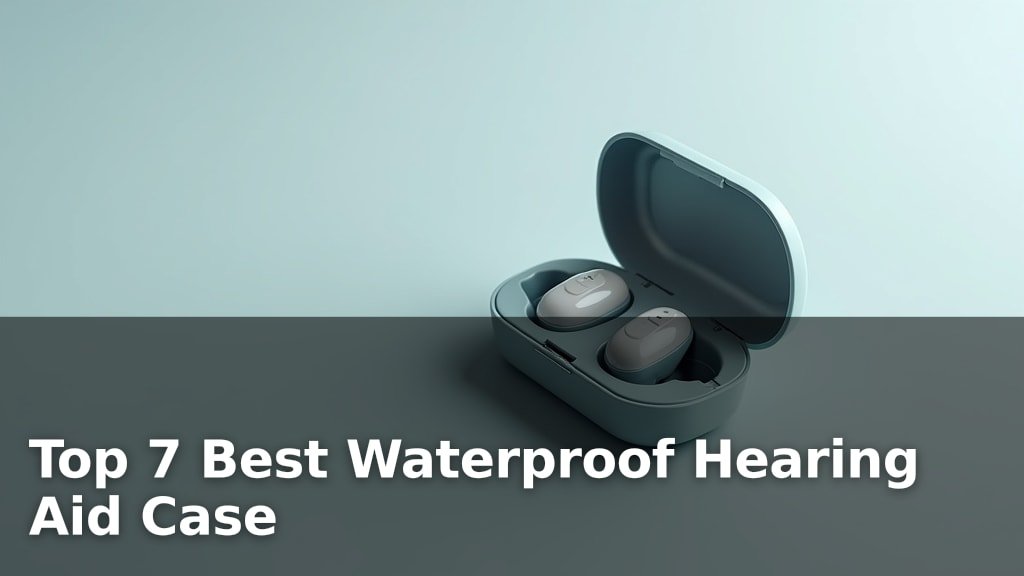
When you’re not wearing your hearing aids, they need a safe place. A dedicated case keeps them from getting lost or damaged.
- Standard Storage Cases: These are often included with your hearing aids. They protect them from dust, scratches, and accidental drops.
- Hard-Shell Cases: For travel or extra protection, a more robust case is a good idea.
Many users find that having a designated spot for their hearing aids reduces the chance of misplacing them, especially at night. We found that a simple, sturdy case is usually sufficient for most situations.
Drying Solutions: The Moisture Fighters
Your hearing aids will encounter moisture from sweat, humidity, and even your own body. This moisture can corrode internal components over time. Drying them daily is essential.
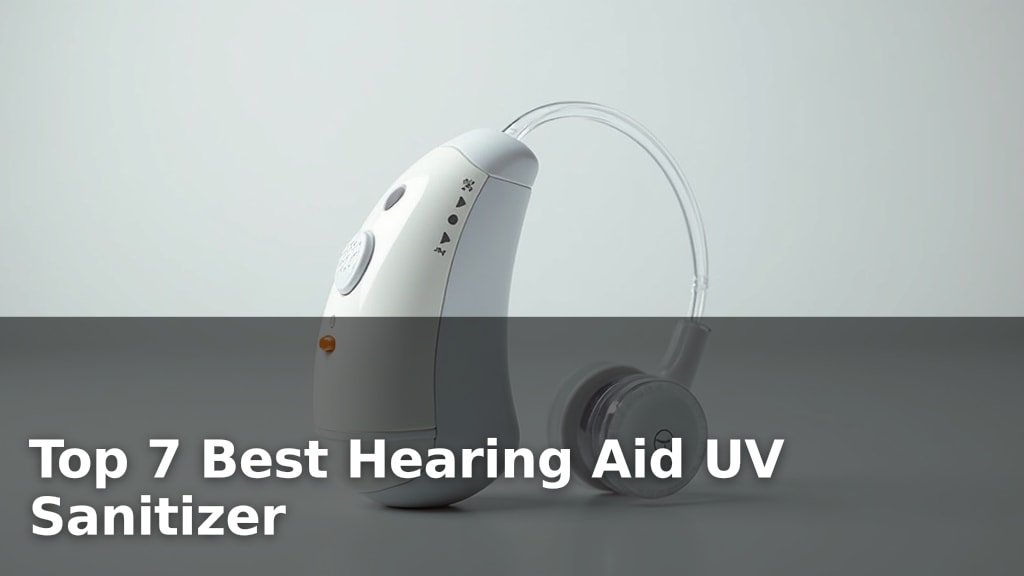
- Dehumidifier or Drying Box: These are small, sealed containers. Some are passive, using desiccant beads to absorb moisture. Others are active, using a low-heat fan or even UV light to dry and sanitize. Many experts recommend an active drying box for busy lifestyles.
- Desiccant Beads: These are the moisture-absorbing packets you find in many products. You can buy replacements for passive drying containers. They usually need to be “recharged” by drying them out periodically.
Many audiologists and hearing aid manufacturers strongly advise daily drying. The Cleveland Clinic often highlights the importance of moisture control for electronic devices. We found that a good hearing aid dehumidifier can significantly extend the lifespan of hearing aids.
Powering Up: Batteries and Chargers
Your hearing aids won’t do much good if they’re out of power! Keeping a supply of batteries or ensuring your rechargeable hearing aids are charged is key.
Disposable Batteries
For traditional hearing aids, you’ll need disposable batteries. These come in different sizes, color-coded for easy identification.
- Size 10 (Yellow): The smallest, used in very small, in-the-ear (ITE) or completely-in-canal (CIC) devices.
- Size 312 (Brown): Common in smaller behind-the-ear (BTE) and ITE hearing aids.
- Size 13 (Orange): Used in larger BTE and ITE hearing aids.
- Size 5 (Blue): The largest, typically for powerful BTE hearing aids.
Always check your hearing aid manual or ask your audiologist which battery size you need. We found that buying batteries in bulk can save money, but be sure to store them properly in a cool, dry place.
Rechargeable Hearing Aid Chargers
More and more hearing aids are rechargeable. These often come with a charging case that doubles as a storage unit and a portable charger.
- Charging Case: Most modern rechargeable hearing aids use a small docking station. You simply place the hearing aids inside, and they charge. Some cases offer extra charges, meaning you can charge your aids a few times without needing a wall outlet.
- Wall Adapter and Cable: You’ll need these to power the charging case itself.
Rechargeable hearing aids have become very popular. A study published in the Journal of the American Academy of Audiology noted user satisfaction with the convenience of rechargeables. They eliminate the need to handle tiny batteries.
Connecting to Your World: Remote Microphones and Streamers
Modern hearing aids can do more than just make sounds louder. They can connect to your phone, TV, and other devices. Accessories can enhance these capabilities.
Remote Microphones
These small devices can be worn by the person you’re talking to or placed on a table. They transmit sound directly to your hearing aids. This is incredibly helpful in noisy environments or when the speaker is far away.
- For One-on-One Conversations: A small clip-on microphone can be worn by your conversation partner.
- For Group Settings: A larger microphone can sit on a table to pick up multiple voices in a meeting or at dinner.
Many audiologists recommend remote microphones for individuals who frequently find themselves in challenging listening situations. They can significantly improve speech clarity. We found that these make social gatherings much more enjoyable for many users.
TV Streamers
Want to watch your favorite shows without blasting the volume? A TV streamer connects to your television and sends the audio directly to your hearing aids. You can often adjust the volume independently.
- Direct TV Connection: Some streamers plug directly into your TV’s headphone jack or optical audio output.
- Bluetooth Connectivity: Newer models might use Bluetooth for a wireless connection.
The convenience of hearing TV at a comfortable, personalized level is a huge benefit. It can also help family members who don’t have hearing loss enjoy their programs without the TV being too loud for them. The CDC notes that assistive listening devices can improve communication in various settings.
Smartphone Apps and Accessories
Many hearing aids today connect to your smartphone via Bluetooth. You can often control volume, change programs, and even stream calls or music directly to your hearing aids through a dedicated app.
- Hearing Aid Apps: Download the specific app for your hearing aid brand.
- Bluetooth Connectivity: Ensure your phone has Bluetooth enabled.
This connectivity turns your phone into a powerful remote control. It’s a game-changer for managing your hearing aid settings on the go. We found that users who take advantage of these apps report higher satisfaction.
Comfort and Fit: Making Sure They Stay Put
Sometimes, even with the best hearing aids, comfort and fit can be an issue. There are accessories to help with this too.
Retention Cords and Clips
These are especially useful for BTE hearing aids. A retention cord attaches to the hearing aid and then clips to your clothing. This prevents the hearing aid from falling off if it becomes dislodged.
They are particularly helpful for children or active individuals. Many users find peace of mind knowing their hearing aids are secured.
Earbud Tips and Molds
The part of the hearing aid that goes into your ear canal can come in different styles. Ensuring a good seal is important for sound quality and comfort.
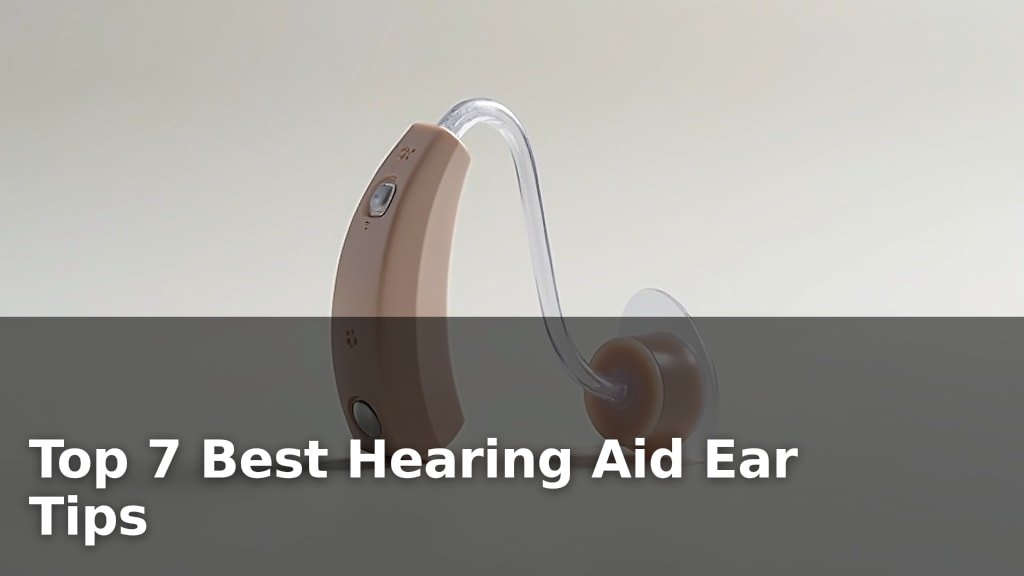
- Standard Ear Tips: These are small, dome-like pieces that fit over the receiver or sound tube. They come in various sizes and materials.
- Custom Ear Molds: For a perfect fit, especially with powerful hearing aids or for individuals with specific ear canal shapes, custom molds can be made by an audiologist.
A proper fit means the hearing aid works as intended. It also helps prevent feedback (whistling sounds) and ensures maximum comfort throughout the day. Many hearing care professionals agree that comfort is key to consistent hearing aid use.
To recap, here’s a quick checklist of things to consider:
- Cleaning Kit: Brushes, wax tools, wipes, cloth.
- Drying Solution: Dehumidifier box or desiccant beads.
- Storage Case: To protect them when not worn.
- Batteries/Charger: Always ensure you have power.
- Connectivity Accessories: Remote mic, TV streamer if needed.
- Comfort Aids: Retention cords or custom molds if necessary.
Conclusion
You’ve learned about the essential accessories that can truly enhance your hearing aid experience. From keeping your devices clean and dry to ensuring they stay powered up and connected, these items are your allies. They help protect your hearing aids and make daily life easier. By investing in the right accessories, you’re investing in clearer communication and a more confident you. Take a moment to review your current needs and consider adding these helpful tools to your routine. Your audiologist can also guide you on the best choices for your specific hearing aids and lifestyle.
Frequently Asked Questions
How often should I clean my hearing aids?
You should perform a quick daily cleaning of your hearing aids. This involves using a soft brush to remove any visible debris. A more thorough cleaning with specialized wipes or wax loops can be done weekly or as needed.
Are rechargeable hearing aid chargers better than disposable batteries?
Rechargeable hearing aid chargers offer great convenience by eliminating the need to handle tiny batteries. They can be more cost-effective in the long run and are often easier to use, especially for those with dexterity issues. However, disposable batteries are a reliable backup if you’re on the go and can’t charge.
Do I really need a drying box for my hearing aids?
Yes, a drying box is highly recommended, especially if you live in a humid climate or sweat often. Moisture can seriously damage the delicate electronics inside your hearing aids over time. Daily drying can significantly extend their lifespan.
What’s the difference between a remote microphone and a TV streamer?
A remote microphone is designed to pick up speech directly from a person or a group and stream it to your hearing aids. A TV streamer, on the other hand, transmits audio from your television directly to your hearing aids. They serve different listening needs.
Can I use my smartphone to control my hearing aids?
Many modern hearing aids can connect to your smartphone via Bluetooth. You can often download a dedicated app from the manufacturer to control volume, change listening programs, and stream audio. It makes managing your hearing aids much easier.