What Is a Bed Shaker Alarm?
On this page (6 sections)
A bed shaker alarm, sometimes called a vibrator alarm, is a device designed to wake you up using powerful vibrations instead of sound. For related guidance, see Bed Shaker Alarm Hard Hearing. It’s often placed under your pillow or mattress, making it a great option for people who are hard of hearing or want a quieter way to start their day.
These alarms are particularly useful for those who struggle with loud noises or prefer a more gentle wake-up experience. They offer a discreet and effective method to ensure you don’t oversleep, connecting either wirelessly or via a cord to a main alarm unit. Many models can be paired with traditional sound alarms for extra backup.
- Wakes you with strong vibrations, not noise.
- Great for the hard of hearing or light sleepers.
- Placed under your pillow or mattress.
- Offers a quiet and gentle wake-up call.
- Often pairs with sound alarms for extra reliability.
Let’s dive into what makes a bed shaker alarm so effective and how you can find the perfect one for your needs. For related guidance, see Bed Shaker Alarm.
Understanding the Mechanics of a Bed Shaker Alarm
A bed shaker alarm uses strong vibrations to wake you up. It’s a fantastic alternative to noisy alarms. This device is designed to be subtle yet effective. You can place it under your pillow or mattress for the best effect. Many people find it a much gentler way to start their day. It ensures you don’t miss important appointments or work.
How Does a Bed Shaker Work?
At its core, a bed shaker is a small motor with an offset weight. When the alarm is triggered, this motor spins rapidly. The spinning weight creates a powerful, consistent vibration. This vibration is then transferred through the device to your bed. Think of it like a tiny, contained earthquake happening under your pillow. It’s enough to rouse even deep sleepers without disturbing others.
The intensity of the vibration is key. Manufacturers design these shakers to produce a strong enough jolt to be felt. This isn’t a gentle buzz like a phone notification. It’s a more forceful sensation intended to disrupt sleep effectively. The frequency and amplitude of the vibrations are carefully calibrated.
The Vibrating Motor Explained
Inside most bed shakers, you’ll find a DC motor. Attached to the motor’s shaft is an eccentric rotating mass (ERM). As the motor spins, this unbalanced weight causes the entire motor housing to vibrate. The faster the motor spins, the stronger the vibration becomes. This is a common technology found in many vibrating devices.
Placement for Maximum Impact
Where you put the shaker matters. Placing it directly under your pillow or mattress is usually best. This ensures the vibrations are transmitted efficiently to your body. If it’s too far away, you might not feel it as strongly. Some users experiment with different spots to find what works for them.
Who Benefits Most from a Bed Shaker?
The primary users of bed shakers are individuals who struggle with traditional alarms. This includes people with hearing impairments. It’s also a godsend for light sleepers who are easily startled by loud noises. If you’re a heavy sleeper, this can be your secret weapon against oversleeping. Even if you just prefer a more peaceful morning, it’s a great option.
For Individuals with Hearing Loss
For those who are hard of hearing, sound-based alarms can be unreliable. A bed shaker bypasses the auditory system entirely. It engages your sense of touch directly. This makes it a dependable way to wake up. Organizations like the Hearing Loss Association of America often highlight such assistive devices.
For Deep and Heavy Sleepers
Are you the type of person who sleeps through thunderstorms? A bed shaker might be your solution. The physical sensation of vibration can be more effective than sound for some. It bypasses the need to “hear” an alarm; you simply feel it. Many users report feeling more alert when woken by vibration compared to sound.
For Couples or Shared Bedrooms
If you share a bed, a bed shaker can be a game-changer. You can set your alarm without disturbing your partner. They can continue sleeping soundly while you wake up. This is especially useful for partners with different sleep schedules or wake-up times. It promotes a more harmonious sleeping environment for everyone.
Types of Bed Shaker Alarms and Their Features
Bed shaker alarms come in various forms. Some are standalone units, while others are accessories. Understanding the different types can help you choose the right one for your lifestyle. Many modern options offer advanced features beyond simple vibration.
Standalone Bed Shaker Alarms
These are complete alarm clock units with a built-in vibrator or a separate shaker unit. You plug the shaker into the main alarm clock. The clock itself might also have a traditional sound alarm. This offers a dual-wake-up strategy for added security. They often have large, easy-to-read displays and simple controls.
Bed Shaker Alarm Accessories
These are designed to work with your existing alarm clock or smartphone. You plug the shaker into a special alarm clock, or connect it wirelessly to an app. This is a flexible option if you already have an alarm system you like. It allows you to add vibrating wake-up capabilities without replacing your whole setup.
Wireless Connectivity Options
Many newer models use Bluetooth or Wi-Fi. You can control them via a smartphone app. This allows for easy customization of alarm times, vibration strength, and patterns. Some apps even let you set multiple alarms or recurring schedules. This technology adds a layer of convenience and personalization.
Smart Home Integration
Some advanced bed shakers can integrate with smart home systems. You might be able to trigger them using voice commands or through smart home routines. While this is less common, it shows the evolving capabilities of these devices. It’s a glimpse into how assistive technology is becoming more connected.
Key Features to Look For
When shopping for a bed shaker alarm, consider these important features. They can make a big difference in user experience. Think about what’s most important for your daily routine and sleep habits.
- Vibration Strength: Can you adjust how strong the vibration is?
- Battery Backup: Does it have a battery to keep working during power outages?
- Alarm Options: Does it have sound, light, or only vibration?
- Connectivity: Does it connect via wire, Bluetooth, or Wi-Fi?
- Ease of Use: Are the controls simple and intuitive?
- Portability: Is it easy to travel with if needed?
Setting Up and Using Your Bed Shaker Alarm
Getting your bed shaker alarm ready for use is usually straightforward. Most devices are designed for easy setup. The goal is to make your mornings as stress-free as possible. Following the manufacturer’s instructions is always a good first step.
Initial Setup and Connection
If you have a wired model, you’ll connect the shaker unit to the main alarm clock. This often involves a simple plug-and-play connection. For wireless models, you’ll typically need to pair the device with your smartphone or a hub. This process is usually guided by an app and takes only a few minutes.
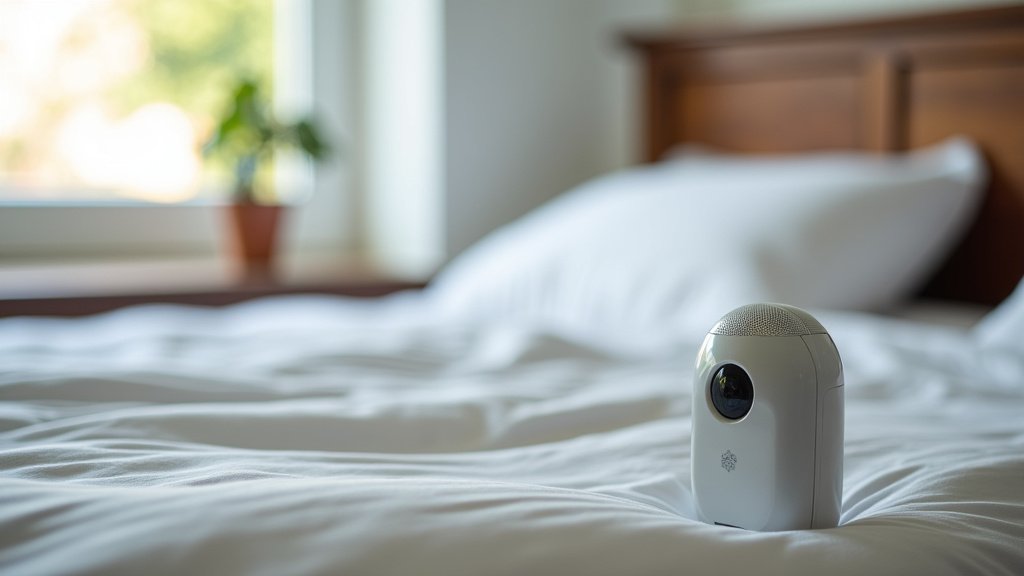
Make sure the shaker unit is positioned correctly. Under the pillow is a common choice. Some prefer placing it between the mattress and the box spring. Experiment to find the spot where you feel the vibration most clearly. You want it to be effective without being uncomfortable.
Customizing Your Alarm Settings
Once set up, you’ll want to customize the alarm. This often involves setting the wake-up time. You may also be able to choose the vibration pattern or intensity. Some models offer different patterns, like pulsing or continuous. Research suggests that varied stimuli can be more effective for waking up (Journal of Sleep Research).
If your alarm has sound options, you can decide how to use them. Many people opt for vibration only, especially if they share a room. Others like to have both sound and vibration as a backup. This layered approach ensures you won’t miss your alarm, no matter what.
Consider the duration of the alarm. How long should it vibrate or sound before stopping? Most devices allow you to set this. Some might have a snooze function, while others may not. If you rely on snoozing, check for this feature. Excessive snoozing can sometimes lead to grogginess, however.
Troubleshooting Common Issues
Occasionally, you might encounter issues. If the shaker isn’t vibrating, first check the power source. Is it plugged in? Is the battery charged or working? For wireless devices, ensure Bluetooth or Wi-Fi is enabled and the connection is stable.
If the vibration feels too weak, try repositioning the shaker. Make sure it’s not muffled by too much padding. Also, check the settings to ensure the vibration strength is turned up to your preference. Sometimes, a simple reset of the device or app can resolve connectivity problems.
If the alarm isn’t going off at all, double-check the set alarm time. Ensure it’s set for the correct day and AM/PM. For app-controlled devices, make sure the app is running in the background and has the necessary permissions. These small checks can often fix most common hiccups.
The Importance of a Reliable Wake-Up Method
Having a dependable way to wake up is more than just convenience; it’s about overall well-being. Missing alarms can lead to stress, lateness, and missed opportunities. A bed shaker alarm provides that reliability, especially for those who need it most.
Think about the peace of mind it offers. You can go to sleep knowing you have a robust system to wake you. This can improve sleep quality, as you’re less likely to worry about oversleeping. Many users report feeling more in control of their mornings.
Impact on Daily Schedules
A consistent wake-up time is vital for regulating your body’s natural sleep-wake cycle, known as the circadian rhythm. According to the National Sleep Foundation, maintaining a regular sleep schedule is key for good health. A reliable alarm helps you stick to this schedule day after day.
Conclusion
You now understand how a bed shaker alarm provides a dependable and gentle way to wake up. These devices use powerful vibrations to ensure you start your day on time. Whether you have hearing loss, sleep deeply, or just want a quieter morning, a bed shaker can be a fantastic solution. By considering the features and setup options, you can find the perfect alarm to fit your unique needs. Take the step towards more reliable mornings and a less stressful start to your day. Explore your options and experience the difference for yourself.
Frequently Asked Questions
Can a bed shaker alarm wake up a very heavy sleeper?
Yes, bed shakers are often designed for heavy sleepers. Their strong vibrations can be felt even through thick mattresses. Research and user reports suggest vibration can be more effective than sound for some deep sleepers.
Do I need a special alarm clock to use a bed shaker?
Not always. Some bed shakers are accessories that connect to your existing alarm clock or smartphone. Others are standalone units with a built-in shaker or a connected shaker unit.
How do I know if the vibration will be strong enough for me?
Many bed shakers allow you to adjust the vibration strength. You can often find models where you can increase or decrease the intensity to your comfort level. It’s best to look for models with adjustable settings.
Can I use a bed shaker if I share a bed?
Absolutely. A bed shaker is ideal for couples with different wake-up times. You can wake up without disturbing your partner who can continue sleeping. This promotes a more peaceful sleeping environment for everyone.
Are bed shaker alarms safe for people with certain medical conditions?
While generally safe, it’s wise to check with your doctor if you have specific medical concerns. Conditions like pacemakers or certain nerve conditions might require consulting a healthcare professional before use. Always review the manufacturer’s safety guidelines.