What Is a Hearing Aid?
On this page (5 sections)
A hearing aid is a small electronic device that you wear behind or inside your ear. For related guidance, see Hearing Aid Clips. Its main job is to make some sounds louder so that a person with hearing loss can hear, communicate, and participate more fully in everyday activities. Think of it as a tiny sound amplifier built just for your unique needs.
We found these devices process sound in sophisticated ways. They don’t just turn up the volume on everything; they are designed to focus on speech sounds and reduce background noise. This technology aims to give you a clearer and more comfortable listening experience in many different situations.
- What a hearing aid is
- How it helps with hearing loss
- The basic technology behind it
- The goal of wearing one
Ready to learn more about how these helpful devices work? Let’s dive into the details and find out exactly what they do for your hearing.
Understanding the Purpose of a Hearing Aid
A hearing aid is essentially a tiny, sophisticated sound system designed to help your ears process sound better. It picks up sounds, makes them louder, and then sends them into your ear in a way that’s easier for you to hear. This isn’t just about volume; it’s about clarity and understanding.
What Makes a Hearing Aid Work?
At its core, every hearing aid has three main parts: a microphone, an amplifier, and a speaker (also called a receiver). These components work together to bring sounds to your brain in a much clearer way than your ears might be doing on their own.
The Microphone’s Role
The microphone is like a tiny ear on the hearing aid. It picks up sounds from your surroundings. It converts these sound waves into electrical signals, preparing them for the next step in the process.
The Amplifier’s Job
Once the sound is converted into an electrical signal, it goes to the amplifier. This part of the hearing aid makes those signals stronger. It selectively boosts the frequencies where you have hearing loss, often making speech sounds more prominent.
The Speaker/Receiver’s Function
Finally, the amplified electrical signals are sent to the speaker. The speaker turns these signals back into sound waves. These customized, louder sound waves are then delivered into your ear canal, allowing you to hear them more easily. It’s a pretty neat trick, happening in milliseconds!
Not Just a Simple Volume Knob
You might think a hearing aid just turns up all sounds. For related guidance, see Hearing Aids Tax Deductible. We found that modern hearing aids are much more advanced than that. They use digital technology to process sounds in smart ways. They can tell the difference between speech and background noise, focusing on what you want to hear most.
- Making soft sounds audible
- Keeping loud sounds comfortable
- Reducing distracting background noise
- Helping you understand conversations better
- Improving your overall listening experience
Who Can Benefit from a Hearing Aid?
Many people can find help from a hearing aid. Generally, if you have hearing loss that can’t be fixed by medicine or surgery, a hearing aid might be a great option for you. This often applies to what we call sensorineural hearing loss, which means there’s damage to the inner ear or the nerve pathways to the brain (National Institute on Deafness and Other Communication Disorders – NIDCD).
Recognizing Hearing Loss Symptoms
How do you know if you might need one? We found some common signs. Maybe you often ask people to repeat themselves? Do family members complain the TV is too loud? Or perhaps you struggle to follow conversations in noisy places like restaurants?
Here’s a quick checklist to consider if a hearing aid might be helpful for you:
- You often misunderstand what people say.
- You have trouble hearing women’s or children’s voices.
- Telephone conversations are difficult to follow.
- You avoid social situations because hearing is a struggle.
- Family or friends suggest you get your hearing checked.
- You feel tired after trying to follow conversations.
The Importance of a Professional Evaluation
If you recognize any of these signs, your next step is to see a hearing care professional. They can perform a comprehensive hearing test. This test will tell you exactly what kind of hearing loss you have and how much. It’s like getting a detailed map of your hearing health.

Different Types of Hearing Aids Available
There isn’t a one-size-fits-all hearing aid. For related guidance, see Entry Level Hearing Aids. Just like eyeglasses, they come in many styles and with different features. Your choice depends on your hearing loss, your budget, and what you prefer for comfort and appearance. We found that style, technology level, and fit are key considerations.
Common Styles of Hearing Aids
You’ll find several main types of hearing aids. For related guidance, see Automatic Environment Switching Hearing Aids. Each has its own advantages and disadvantages. Let’s look at some of the most popular.
Behind-the-Ear (BTE) Hearing Aids
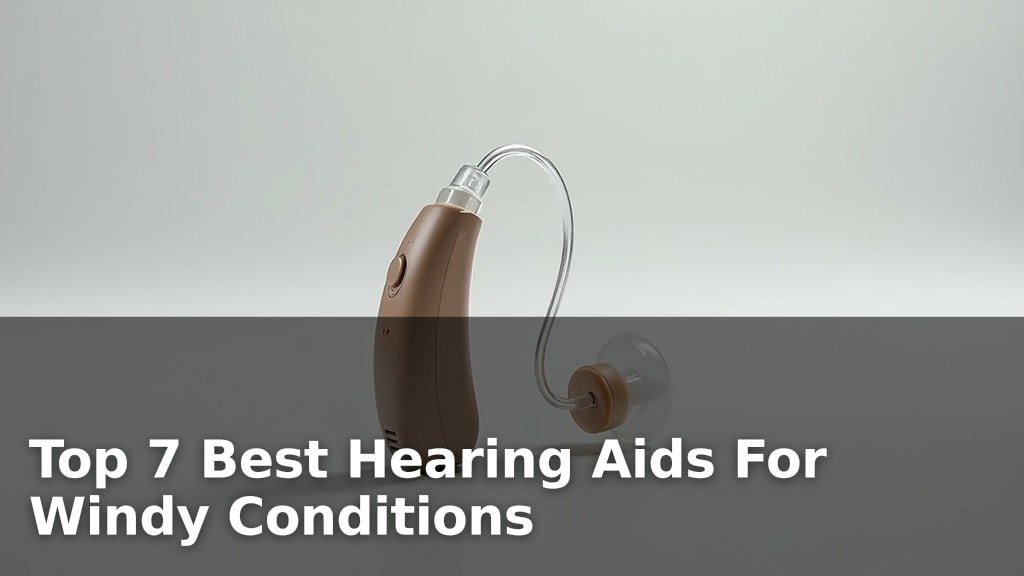
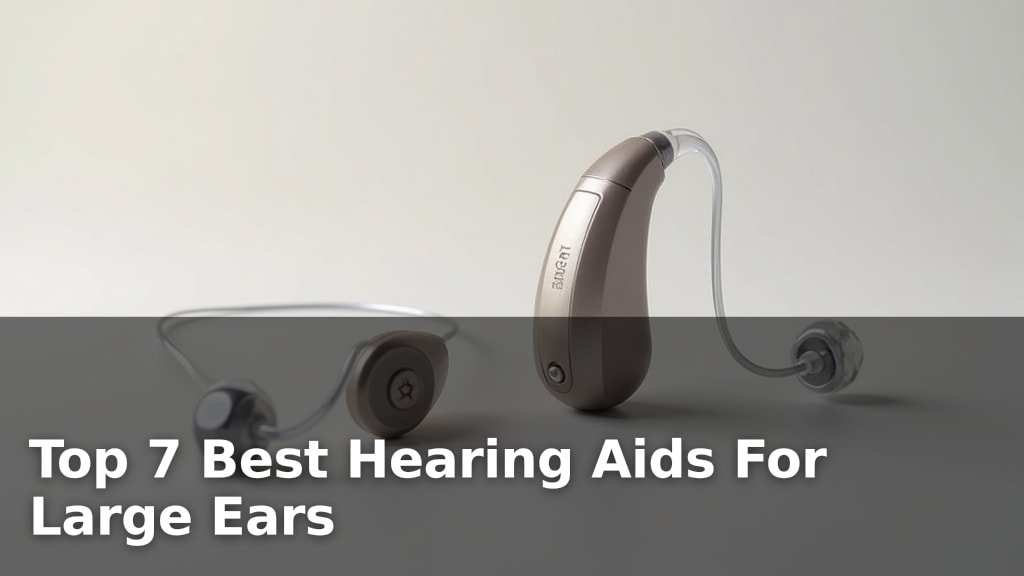
BTE hearing aids sit behind your ear, connected by a clear tube to an earmold or dome inside your ear canal. These are often the most powerful and longest-lasting options. We found them to be quite versatile for different levels of hearing loss (Mayo Clinic).
Receiver-in-Canal (RIC) or Receiver-in-the-Ear (RITE) Hearing Aids
These are very popular and are quite similar to BTEs. The main difference is that the speaker (receiver) is placed directly in your ear canal, connected by a thin wire to the part that sits behind your ear. They are often smaller and less noticeable than traditional BTE devices.
In-the-Ear (ITE) Hearing Aids
As the name suggests, ITE models fit entirely within the outer ear bowl. They are custom-made to fit your ear, offering a good balance of size and functionality. Some people find them easier to handle than smaller, in-canal models.
In-the-Canal (ITC) and Completely-in-Canal (CIC) Hearing Aids
These are even smaller. ITC hearing aids sit partially in the ear canal, while CIC models are almost completely hidden inside the canal. They are very discreet. However, their small size might mean shorter battery life or fewer extra features.
Invisible-in-Canal (IIC) Hearing Aids
These are the smallest and most discreet hearing aids available. They fit deep inside your ear canal, making them virtually invisible to others. They are great for mild to moderate hearing loss but might not be suitable for everyone due to their tiny size and limited features.
A Quick Comparison of Hearing Aid Styles
To help you see the differences, here’s a simple comparison table:
| Style | Location | Visibility | Power/Features |
|---|---|---|---|
| BTE | Behind the ear, tube to ear | Most visible | High, many features |
| RIC/RITE | Behind ear, speaker in canal | Less visible than BTE | Moderate to high, good features |
| ITE | Outer ear bowl | Moderately visible | Moderate, some features |
| ITC | Partially in ear canal | Less visible | Mild to moderate, fewer features |
| CIC | Deep in ear canal | Almost invisible | Mild to moderate, minimal features |
| IIC | Deepest in ear canal | Virtually invisible | Mild to moderate, most basic features |
Conclusion
You’ve learned that a hearing aid is a sophisticated electronic device designed to clarify and amplify sounds, not just turn up the volume. We’ve explored its core components, how it focuses on speech, and the diverse styles available to match your unique needs. Recognizing the signs of hearing loss and understanding the different types of aids can feel like a lot.
The most important takeaway is that these devices can significantly improve your ability to connect with the world around you. If you suspect hearing loss, your next step is simple: schedule a professional hearing evaluation. This will give you the personalized information you need to explore solutions and hear your best.
Frequently Asked Questions
How often do I need to replace a hearing aid?
Modern hearing aids are built to last several years. You can often expect a lifespan of three to seven years, depending on the model, how well you care for it, and advances in technology. Regular maintenance and professional check-ups can help extend its life.
Can hearing aids restore my hearing completely?
No, hearing aids do not restore hearing to its natural state. They are designed to improve your ability to hear and understand sounds by making them more accessible to your brain. We found they significantly enhance your overall listening experience and communication.
Will a hearing aid make all sounds too loud?
Not at all. Modern hearing aids use advanced digital processing to amplify soft sounds and keep loud sounds comfortable. They are programmed specifically for your hearing loss, ensuring that you hear what you need to without discomfort.
Is there an adjustment period when first wearing a hearing aid?
Yes, there’s typically an adjustment period. Your brain needs time to adapt to hearing sounds it may have missed for a while. Usually, it takes a few weeks to a few months to fully get used to your new hearing aids.
Are hearing aids covered by insurance?
Coverage for hearing aids varies widely. Some private insurance plans may offer partial benefits, and specific government programs might provide assistance. We recommend checking directly with your insurance provider to understand your coverage options.