Are Hearing Aids Tax Deductible?
On this page (8 sections)
Yes, you can often deduct the cost of hearing aids as a medical expense on your taxes. This deduction applies if your total qualified medical expenses, including your hearing aids, exceed 7.5% of your Adjusted Gross Income (AGI). This allows many individuals to reduce their taxable income and potentially their tax bill by claiming this necessary expense.
Hearing aids are considered medical devices. The IRS allows you to deduct expenses for medical care. This includes the cost of the devices themselves, as well as related services like examinations, batteries, and repairs. It’s a way for the government to help offset the financial burden of medical treatments and assistive devices. Make sure you keep good records of all your purchases.
- Hearing aids can be tax deductible.
- You must itemize deductions to claim them.
- Your total medical expenses must exceed 7.5% of your AGI.
- Keep all receipts for hearing aids and related costs.
- Consult a tax professional for personalized advice.
Let’s walk through exactly how this works step by step, so you can understand if you qualify for this tax break.
Are Your Hearing Aids a Tax Write-Off?
You might be wondering if those expensive hearing aids you or a loved one needs can offer some tax relief. The good news is, for many people, the answer is a resounding yes! The IRS generally considers hearing aids a qualified medical expense. This means you can often include their cost in your medical deductions. It’s a smart way to make a necessary purchase feel a little less heavy on your wallet.
Understanding Medical Expense Deductions
The IRS has specific rules for deducting medical expenses. You can’t just deduct every little doctor’s visit or medication. Your total qualified medical expenses must be more than 7.5% of your Adjusted Gross Income (AGI). Think of your AGI as your income after certain other deductions. If your medical costs clear this hurdle, you can then deduct the amount that exceeds that 7.5% threshold. You can also explore using HSA or FSA funds for hearing aids, as detailed in our guide.
What Counts as a Medical Expense?
The IRS provides a broad definition of medical care. It includes treatments to diagnose, cure, mitigate, or prevent disease. It also covers expenses for medicines and medical devices. Hearing aids fit neatly into this category. They help diagnose and mitigate hearing loss, which is a medical condition. This is supported by guidelines from the IRS itself.
The 7.5% AGI Threshold Explained
Let’s break down that 7.5% AGI rule. Imagine your AGI is $50,000. You would need to have more than $3,750 in qualified medical expenses before you can deduct anything. So, if your total medical bills, including hearing aids, come out to $5,000, you can deduct $1,250 ($5,000 – $3,750). It sounds like a lot, but medical costs add up quickly for many families.
Why This Rule Exists
The IRS sets this threshold to ensure that only significant medical expenses are deducted. They aim to provide tax relief for those facing substantial medical costs, not for everyday healthcare needs. This ensures the tax deduction is a meaningful benefit for those who truly need it.
What Costs Related to Hearing Aids Can You Deduct?
It’s not just the sticker price of the hearing aids themselves that can be deducted. Many associated costs also qualify. This can really add up and help you reach that 7.5% AGI threshold faster.
The Hearing Aids Themselves
Of course, the primary cost of the hearing aid devices is deductible. This applies whether you bought them outright or financed them. The price paid to the audiologist or hearing instrument specialist is what you’ll track.
Examinations and Consultations
Before you even get your hearing aids, you likely had hearing tests and consultations. These diagnostic services are considered medical expenses. The fees for audiologists and physicians involved in assessing your hearing loss are deductible.
Batteries and Maintenance
Keeping your hearing aids working requires ongoing care. This includes batteries, cleaning supplies, and even repairs. If you have to fix a broken hearing aid or replace worn parts, these costs often count. Think of it like keeping any other medical device in good working order.
Accessories and Supplies
Sometimes, you might need specific accessories for your hearing aids. This could include special carrying cases, drying kits, or even custom earmolds. If these items are primarily for the function or maintenance of your hearing aids, they are generally deductible.
Travel Expenses to Medical Appointments
Did you have to travel to get your hearing tests or pick up your hearing aids? The IRS allows you to deduct certain travel expenses. This can include the cost of gas or public transportation fares. If you drove your own car, you can often use the standard medical mileage rate. We found this rate is updated annually by the IRS.
Itemizing vs. Standard Deduction: What’s Best for You?
Here’s a critical point: to deduct your hearing aid expenses, you must itemize your deductions. You cannot claim them if you take the standard deduction. This means you need to compare which method saves you more money.
What is the Standard Deduction?
The standard deduction is a fixed dollar amount that reduces your taxable income. It’s based on your filing status, like single or married filing jointly. Many taxpayers take the standard deduction because it’s simpler and often more beneficial.
What is Itemizing Deductions?
Itemizing means listing out all your eligible deductions individually. This includes things like state and local taxes, mortgage interest, charitable donations, and qualified medical expenses. If the total of your itemized deductions is greater than the standard deduction for your filing status, you’ll save more on taxes by itemizing.
Making the Decision
So, how do you decide? You’ll need to add up all your potential itemized deductions for the year. If that total exceeds the standard deduction amount for your filing status, then itemizing is likely your best bet. Your hearing aid costs could be the deciding factor in pushing you over the edge.
Here’s a simple way to think about it:
| Scenario | Outcome |
|---|---|
| Total Itemized Deductions > Standard Deduction | Itemize for greater tax savings. |
| Total Itemized Deductions < Standard Deduction | Take the standard deduction for simpler tax filing. |
Keeping Good Records is Key!
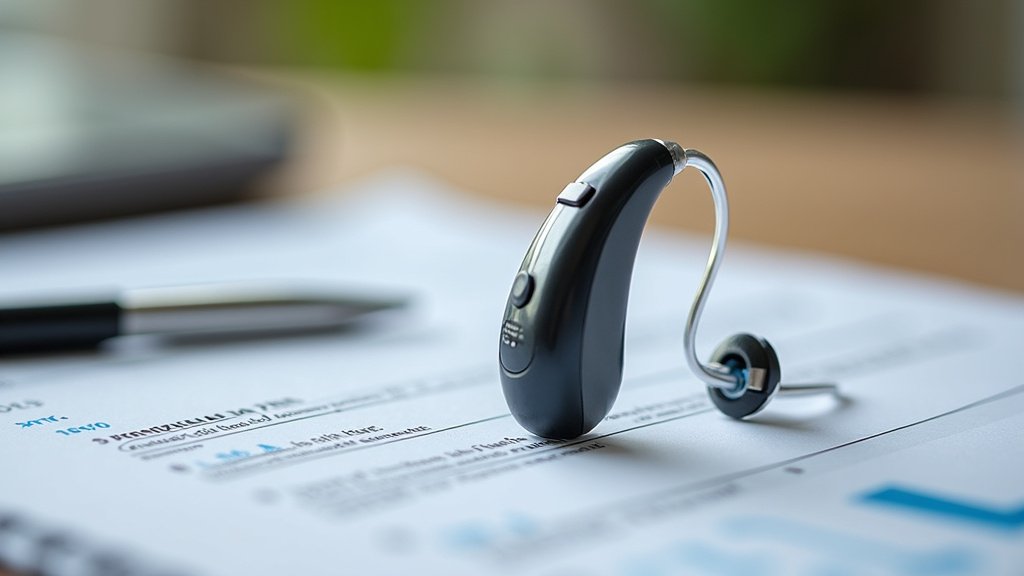
The IRS loves documentation. If you plan to deduct your hearing aids or any related costs, you need to keep meticulous records. Without proof, your deduction might not hold up if audited.
What Records to Keep
You’ll want to save every single receipt and bill. This includes the original purchase receipt for the hearing aids. Also, keep records of any bills from audiologists, repair services, or even travel expenses related to your care. A simple logbook or a dedicated folder can be a lifesaver.
What the Records Should Show
Each record should clearly show the date of the service or purchase. It needs to specify the provider’s name and address. Most importantly, it must detail the amount you paid and the nature of the service or item. This level of detail is what the IRS looks for.
A Checklist for Your Hearing Aid Tax Deduction
To make sure you’re on the right track, here’s a quick rundown of what you need to consider:
- Confirm your total medical expenses exceed 7.5% of your AGI.
- Gather all receipts for hearing aids and related services.
- Keep records of batteries, repairs, and accessories.
- Track any travel expenses to medical appointments.
- Decide whether to itemize deductions or take the standard deduction.
- Consult with a tax professional to ensure accuracy.
Conclusion
Taking the step to improve your hearing with aids is a big one. We found that the IRS understands this and may offer tax relief. By understanding the 7.5% AGI threshold and the need to itemize, you can see if this deduction works for you. Remember to gather all your receipts for hearing aids, appointments, and supplies. This documentation is your key to claiming this medical expense. Consult a tax professional to make sure you get the most out of your tax return.
Frequently Asked Questions
Can I deduct the cost of my hearing aid batteries?
Yes, you generally can deduct the cost of batteries and other supplies needed to maintain your hearing aids. These are considered ongoing medical expenses. Make sure to keep receipts for these purchases along with your hearing aid receipt.
What if I bought used hearing aids? Are they still deductible?
Generally, the IRS allows deductions for medically necessary equipment. If you purchased used hearing aids that were prescribed by a medical professional, their cost should also be deductible as a medical expense, provided you meet the other criteria.
How long do I need to keep my hearing aid receipts for tax purposes?
The IRS generally recommends keeping tax records for at least three years from the date you filed your return. This is the typical period they have to audit your return. It’s wise to hold onto these important medical expense documents for that duration.
Does the IRS require a doctor’s note to claim hearing aids as a deduction?
While the IRS doesn’t explicitly require a doctor’s note for every medical deduction, it’s highly recommended. Having a written statement from your audiologist or physician confirming the medical necessity of your hearing aids can strengthen your claim.
Can I deduct the cost of hearing aids if I financed them with a loan?
Yes, if you financed your hearing aids, you can typically deduct the actual cost you paid for them. This includes the principal amount of the loan. You would deduct the payments as you make them, provided you meet the 7.5% AGI threshold and itemize deductions.