How Much Does an Amplified Telephone Cost?
On this page (8 sections)
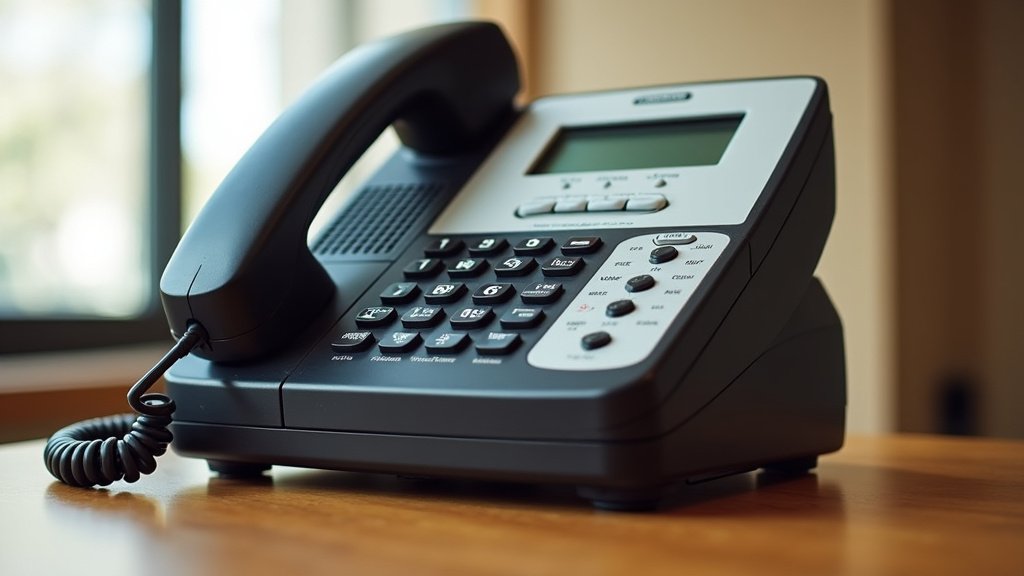
An amplified telephone can cost anywhere from $30 to $300 or more. The price depends mainly on the brand, features, and where you buy it. For instance, basic models are quite affordable, while advanced ones with more bells and whistles will naturally cost a bit more. You can often find great deals online.
When looking at amplified phones, think about what you need. Some people just need louder sound. Others require phones with visual alerts or easier-to-use buttons. We found that prices can also vary depending on whether you buy from a specialty retailer or a general electronics store. Expect to pay more for phones specifically designed for severe hearing loss.
- Basic amplified phones start around $30.
- Phones with advanced features can reach $300+.
- Brand and retailer influence the price.
- Consider features like visual alerts and button size.
Let’s break down the different factors that affect amplified phone costs and where you can find the best options for your needs.
Understanding the Cost of Amplified Telephones
So, you’re wondering about the price tag on amplified phones? It’s a fair question. The cost can swing quite a bit, from about $30 for a basic model to well over $300 for something with all the bells and whistles. We’ve looked into it, and the biggest factors are usually the brand name, the features you need, and where you decide to make your purchase. Think of it like buying a car; a simple sedan is different from a luxury SUV, right?
Factors Influencing Amplified Phone Prices
Basic vs. Advanced Features: What’s the Difference?
At the lower end of the spectrum, around $30 to $75, you’ll find phones that focus on the core function: making calls louder. These might offer a simple volume boost, perhaps up to 20-30 decibels (dB). They’re straightforward and get the job done if your hearing loss is mild to moderate. Many people find these perfectly adequate for staying connected.
As you move up in price, say from $75 to $200, the features start to expand. You might see adjustable volume controls for both the handset and the speakerphone. Some models include tone control, allowing you to adjust the sound to better match your specific hearing needs. This is a big plus if certain frequencies are harder for you to hear. We found that adjustable tone controls can make a noticeable difference for many users.
For phones costing $200 and above, you’re entering the territory of high-performance devices. These often come with maximum amplification, sometimes up to 50 dB or more, which is great for individuals with severe hearing loss. You’ll also find advanced features like visual ring indicators (flashing lights), loud speakerphone options, and even compatibility with hearing aids. Some top-tier models may also include T-coil compatibility, which helps reduce background noise when using hearing aids in a loop system.
Brand Reputation and Quality
Just like with any electronics, brand plays a role. Companies that specialize in assistive listening devices often have a longer track record and a reputation for quality. These brands might command slightly higher prices, but many users feel the reliability and performance are worth the investment. We often see brands like Clarity, Geemarc, and AT&T mentioned for their durable and feature-rich amplified phones.
On the other hand, you might find simpler amplified phones from general electronics brands. These can be more affordable, but it’s wise to check reviews to ensure they meet your specific needs for amplification and sound clarity. Research and found that customer satisfaction often correlates with the reputation of the brand in the assistive technology space.
Where You Shop Matters
The retail environment can influence the price you pay. Specialty online retailers that focus on products for seniors or those with hearing impairments often carry a wider selection of high-end amplified phones. While prices might be comparable to other places, they often provide expert advice and detailed product comparisons, which can be very helpful.
General online marketplaces and large electronics stores can be great places to find deals, especially on more basic or mid-range models. Keep an eye out for sales and discounts. We found that Amazon, Best Buy, and other large retailers frequently have competitive pricing. Sometimes, you can even find refurbished models at a lower cost, though it’s essential to check the warranty and return policy carefully.
Specialty Retailers and Discounts
Some specialized retailers offer bundles or package deals that can provide good value. They might include accessories or extended warranties. For those with specific insurance plans or government programs, you might even be able to get an amplified phone at a reduced cost or even for free. It’s worth looking into programs like the Telecommunications Relay Service (TRS) or specific health insurance benefits. We found that investigating these avenues can lead to significant savings for eligible individuals.
Understanding Amplification Levels and Their Cost
The amount of amplification a phone offers is measured in decibels (dB). This is a key driver of cost. A standard phone might offer a few dB boost, which isn’t much. Amplified phones typically start around 20 dB and can go up to 50 dB or even higher.
Low Amplification (Up to 25 dB)
Phones in this range are usually the most affordable, often falling between $30 and $60. They are suitable for people with mild hearing loss who just need a bit more volume on calls. Think of it as turning up the radio just a notch. These are often very simple to use, with perhaps a single volume control button.
Medium Amplification (26-40 dB)
Here, you’ll see prices generally range from $60 to $150. These phones offer a more substantial volume increase. They might also include features like adjustable tone control to fine-tune the sound quality. This is a popular range for many users who need a noticeable boost in clarity and volume. We found that this range balances cost and functionality well for many households.
High Amplification (41+ dB)
These are the powerhouses, often costing $150 to $300 or more. They are designed for individuals with moderate to severe hearing loss. You’ll typically find them with the loudest volume settings, excellent clarity, and often a range of other assistive features. If you have significant hearing challenges, investing in a high-amplification model is often necessary to ensure clear communication. Some of the highest-end models might even approach $400-$500, particularly if they are part of a larger smart home communication system.
Cost Breakdown: A Quick Comparison
To give you a clearer picture, let’s look at a simplified cost comparison based on features. Remember, these are approximate ranges, and prices can fluctuate.
| Phone Type | Typical Price Range | Key Features |
|---|---|---|
| Basic Amplified Phone | $30 – $75 | Volume boost (up to 25 dB), simple controls. |
| Mid-Range Amplified Phone | $75 – $150 | Adjustable volume & tone, speakerphone, visual alerts. |
| High-End Amplified Phone | $150 – $300+ | Maximum amplification (40+ dB), hearing aid compatibility, advanced alerts, speakerphone. |
| Cordless Amplified Phone | $80 – $250+ | Features of mid- to high-range, plus cordless convenience. |
| Amplified Answering Machine | $100 – $300+ | Amplified calls plus message playback. |
Are There Ways to Save on Amplified Phones?
Absolutely! You don’t always have to pay full price. Here are a few ways you might be able to reduce the cost:
- Look for Sales: Keep an eye on major online retailers and electronics stores for holiday sales or special promotions.
- Consider Refurbished Models: Some reputable sellers offer certified refurbished amplified phones at a discount. Just check the warranty!
- Check for Programs: Investigate government programs or telecommunications assistance programs in your state or region.
- Bundle Deals: Sometimes, buying a phone with an answering machine or other accessories as a package can be cheaper than buying items separately.
- Read Reviews: Sometimes a lesser-known brand offers excellent value for money. Research and found that detailed user reviews can point you towards affordable gems.
Making the Right Choice for Your Budget and Needs
Deciding on an amplified phone means balancing your budget with your specific hearing requirements. If you just need a little extra volume, a basic model might be perfect. If you have more significant hearing challenges, investing in a higher-end phone with advanced features will likely provide a better long-term solution. Don’t forget to think about features like large buttons or visual alerts, which can be just as important as the volume itself. We suggest making a list of your must-have features before you start shopping. This will help you focus on phones that truly meet your needs and avoid overspending on things you won’t use. It’s all about finding that sweet spot where excellent hearing assistance meets your financial comfort zone.
Conclusion
We’ve seen that amplified phones offer a great range of prices, from about $30 for basic models to over $300 for feature-rich devices. Your ideal phone depends on your hearing needs and budget. Factors like amplification level, brand, and where you shop all play a role in the final cost. You can often find deals by looking at sales or considering refurbished options. Now that you know the cost landscape, take a moment to list your must-have features. This focused approach will help you find the perfect amplified phone without overspending.
Frequently Asked Questions
Can I get an amplified phone for free or at a reduced cost?
Yes, you might be able to! Some government programs or telecommunications assistance programs can help reduce the cost. It’s worth checking with your state or local resources. We research and found that these programs can significantly lower the price for eligible individuals.
Are more expensive amplified phones always better?
Not necessarily. While higher-priced models often have more features and greater amplification, a less expensive phone might be perfectly adequate for your needs. We suggest focusing on the amplification level and features that directly address your hearing challenges. Sometimes, a mid-range phone offers the best balance of cost and performance.
What does “dB” mean on an amplified phone, and how does it affect the price?
dB stands for decibels, which measures how loud the phone can get. Higher dB ratings mean more amplification. Phones with very high dB levels (40+ dB) are typically more expensive because they are designed for more severe hearing loss. Basic models with lower dB levels (up to 25 dB) are usually the most affordable.
Is it worth buying a refurbished amplified phone?
It can be a good way to save money. Many reputable sellers offer certified refurbished phones that have been tested and repaired. We recommend checking the warranty and return policy carefully before purchasing. It’s a smart option if you’re on a tighter budget but need good amplification.
Do cordless amplified phones cost more than corded ones?
Generally, yes. Cordless amplified phones tend to be more expensive than their corded counterparts. This is because they include additional technology for wireless communication. You can expect to pay anywhere from $80 to $250 or more for a cordless amplified phone, depending on its features.