Do Hearing Aids Come with a Trial Period?
On this page (7 sections)
Yes, many hearing aids absolutely come with a trial period. This is a smart policy, as it allows you to experience the difference new hearing aids make in your daily life before committing to a purchase. It’s your chance to see if they truly improve your hearing and comfort.
Think of a hearing aid trial as a risk-free test drive for your ears. It helps ensure you find the right fit and technology for your unique hearing needs. Many audiologists and hearing aid providers offer these trials, recognizing how personal and important hearing healthcare is.
- Most hearing aids offer a trial period.
- This lets you test them before buying.
- It ensures you get the right fit and performance.
- Many providers offer this important service.
Below, we’ll walk you through what to expect during a hearing aid trial and why it’s such a smart step in finding your perfect sound. If you’re considering over-the-counter options, our guide on what to look for in an OTC hearing aid can help you make an informed decision.
Testing Your Hearing Aids Before You Buy: What to Expect
So, you’re curious about hearing aids, but you’re wondering if you can try them out first. You absolutely can! Most hearing healthcare providers offer a trial period for new hearing aids. This is a really important step in the process. It’s your chance to experience how these devices work in your real life. You get to see if they make a noticeable difference in your hearing. You can also check how comfortable they are to wear all day long.
Think of this trial period like a test drive for your ears. It’s like test driving a car before you buy it. You wouldn’t buy a car without taking it for a spin, right? The same logic applies to hearing aids. They are a significant investment in your hearing health and overall quality of life. You want to be sure they are the right fit for you. Many audiologists and hearing aid dispensaries understand this. They want you to be happy with your choice. That’s why they offer these trial periods as a standard part of their service.
The Purpose and Importance of a Hearing Aid Trial Period
The main goal of a hearing aid trial is simple: to ensure satisfaction. You’ll get to wear the hearing aids in various environments. This helps you understand their performance. You’ll discover how well they work in quiet settings. You’ll also see how they handle noisy places like restaurants or parties. This real-world testing is unlike anything you can do in an office. It shows you the true benefits and any potential limitations.
A trial period also helps confirm the proper fit. Hearing aids come in different styles and sizes. Some sit in the ear canal, while others go behind the ear. Getting a good physical fit is key for comfort and to prevent feedback. If a device is uncomfortable, you simply won’t wear it. The trial allows you to confirm it feels good, even after hours of wear. It’s a chance to get any minor adjustments made.
Is a Trial Period Always Offered?
While very common, not every single hearing aid purchase comes with a trial. This is why it’s so important to ask about the trial policy upfront. Most reputable hearing clinics and manufacturers offer them. Some may have specific requirements or timeframes. Others might offer shorter or longer periods based on the device or your hearing needs. Always clarify the terms before you make a final decision.
What Does a Typical Hearing Aid Trial Period Look Like?
The duration of a hearing aid trial can vary. We found that most commonly, these trials range from 30 to 60 days. Some providers might offer up to 90 days. This gives you ample time to adjust to your hearing aids and evaluate them. It also allows your brain to get used to the new sounds you’re hearing. It’s a reasonable timeframe for making an informed decision. Always confirm the exact length of the trial with your provider.
How to Make the Most Out of Your Hearing Aid Trial
To get the best results from your trial, you need to be an active participant. Don’t just wear the hearing aids around the house. You need to put them to the test in your daily routines. This means wearing them in all the places you usually go. Think about your typical social engagements. What are your hobbies? What kind of environments do you find most challenging for hearing?
Actively Use Your Hearing Aids in Different Environments
During your trial, make a point to wear your hearing aids as much as possible. Take them to the grocery store. Wear them when you watch TV or listen to music. Visit a busy coffee shop or a family gathering. These varied situations will give you the clearest picture of how they perform. You’ll experience firsthand the improvements in speech understanding. You’ll also notice how well they handle background noise. Your provider will likely give you specific instructions on this.
Keep a Log of Your Experiences
It can be incredibly helpful to keep a diary or log of your experiences. Note down where you wore the hearing aids. What was the sound environment like? How well could you understand speech? Were there any sounds that were too loud or too soft? Did you experience any discomfort? This detailed record will be very useful when you meet with your audiologist. It helps them understand your specific experiences. It also guides any necessary adjustments to the hearing aid settings.
Communicate Openly with Your Audiologist or Provider
Your audiologist or hearing instrument specialist is your partner in this. Don’t hesitate to share any feedback, good or bad. They are there to help you. They can make adjustments to the hearing aid programming to improve performance. This could involve tweaking volume levels, reducing background noise, or enhancing specific frequencies. Open communication ensures you get the most out of the trial and the eventual hearing aids.
What Happens at the End of a Hearing Aid Trial?
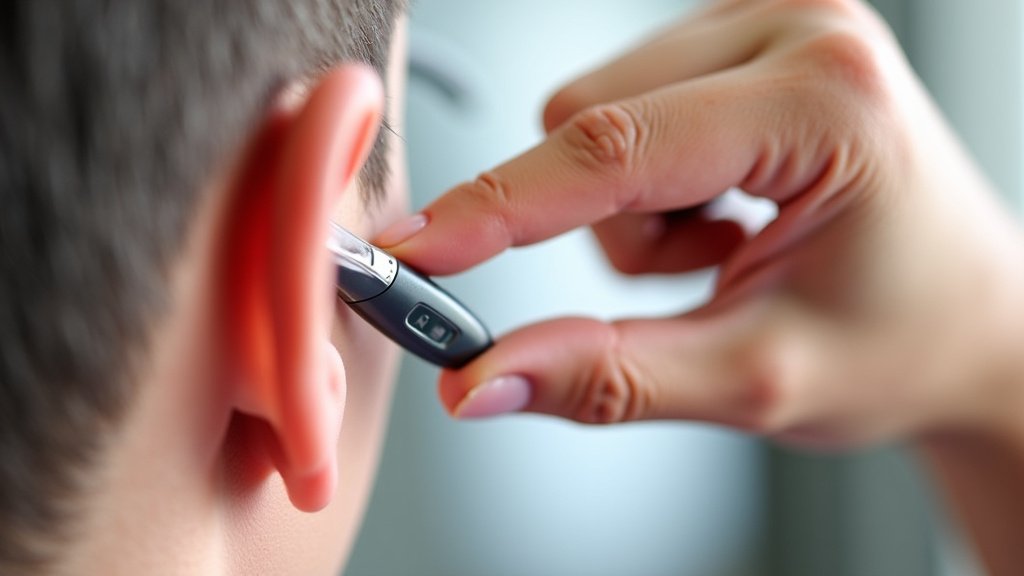
Once your trial period is nearing its end, you’ll typically have a follow-up appointment. This is where you’ll discuss your experiences. You’ll go over your notes and the audiologist’s findings. Based on this discussion, you’ll decide whether to proceed with the purchase. If you’re satisfied, you’ll finalize the payment and arrangements. If the hearing aids aren’t the right fit, you can usually return them. Most providers will offer a refund or help you try a different model.
Understanding Potential Fees and Return Policies
While many trials are free, some providers may charge a restocking fee. This fee helps cover the costs associated with preparing the devices for resale if they are returned. It’s crucial to understand this policy before you begin the trial. Ask about the exact amount of any restocking fee. Also, inquire about the conditions for returning the hearing aids. Knowing these details upfront can prevent surprises later on. Clear policies are a sign of a trustworthy provider.
What If the Hearing Aids Aren’t Right for You?
It’s perfectly okay if the first pair of hearing aids you try aren’t the perfect match. Hearing loss is unique to each person. The technology that works for one person might not work for another. If you find the trial pair isn’t meeting your needs, tell your provider. They can help you explore different models or styles. Sometimes, a simple adjustment to the settings is all that’s needed. Other times, a different technology level or feature set might be a better solution.
Key Checklist for Your Hearing Aid Trial
To ensure you have a successful hearing aid trial, keep these points in mind:
- Ask about the trial period length and any associated fees upfront.
- Wear your hearing aids in as many different listening situations as possible.
- Keep a detailed log of your experiences, noting challenges and successes.
- Communicate openly and honestly with your audiologist about your feedback.
- Understand the return policy and any conditions for returning the devices.
- Be patient with yourself as you adjust to new sounds and technology.
Conclusion
Trying hearing aids before you buy is a smart move. It gives you real-world experience with how they perform. You can check comfort and see if they truly help you hear better. Remember, most providers offer this trial for your satisfaction. Be an active participant: wear them everywhere and keep notes. Open communication with your audiologist is key to finding the right fit. If you’re ready to explore better hearing, your next step is to contact a local hearing healthcare provider and ask about their trial period. It’s your chance to hear the difference!
Frequently Asked Questions
What if I can’t return the hearing aids after the trial?
It’s important to understand the return policy upfront. Most reputable providers offer a full refund if you’re not satisfied. However, some might charge a small restocking fee if you return the devices. Always clarify these details before starting your trial.
Can I try different types of hearing aids during the trial?
Typically, you trial one specific set of hearing aids recommended for your hearing loss. If those don’t work out, your provider can help you try a different model. Discussing your needs and concerns with your audiologist is the best way to explore options.
How long do I really need for a hearing aid trial?
Most trials range from 30 to 60 days, with some extending to 90 days. This time allows you to adjust to the new sounds and test the aids in various situations. It also gives your brain a chance to adapt to the enhanced hearing.
What happens if I don’t like the hearing aids after the trial?
If the hearing aids aren’t meeting your expectations, let your provider know. You can usually return them for a refund or exchange them for a different model. This trial period is designed to ensure you find a solution that works for you.
Are there any costs associated with a hearing aid trial?
Many providers offer a completely free trial period. However, some may have a restocking fee if you decide to return the hearing aids. Always ask about potential fees and read the agreement carefully before you begin.