Does Insurance Cover Captioned Telephones?
On this page (9 sections)
- Getting Your Insurance to Pay for Captioned Phones
- Who Qualifies for a Captioned Telephone Through Insurance?
- Understanding How Captioned Phones Work
- The Role of Government Programs
- Steps to Apply for a Captioned Telephone
- What to Expect After Approval
- Checklist: Getting Your Captioned Phone
- Conclusion
- Frequently Asked Questions
Yes, insurance often covers captioned telephones, also known as CapTel phones. These specialized phones are designed to help people with hearing loss. Your insurance plan might provide them at little to no cost if you meet certain eligibility requirements. It’s a great way to stay connected.
These phones are more than just amplified. They display real-time captions of what the other person is saying. This makes phone conversations much easier to follow. Many Americans benefit from this technology. We found that understanding your coverage options is the first step.
- Insurance frequently covers captioned phones.
- Eligibility is key for getting a phone.
- CapTel phones display live captions during calls.
- This service significantly helps people with hearing loss.
Let’s break down how you can find out if you qualify for an insurance-covered captioned telephone. We’ll guide you through the process step-by-step.
Getting Your Insurance to Pay for Captioned Phones
You might be wondering if your insurance will help you get a captioned telephone. The good news is that many insurance plans do cover these phones. This is often thanks to government programs and regulations. These programs aim to make phone access easier for people with hearing loss. You’ll likely need to meet certain criteria to qualify. We’ll walk you through what those are and how to apply.
Think of it this way: just as insurance might help with glasses for your eyes, it can help with phones for your ears. Captioned telephones bridge the gap created by hearing loss. They allow you to enjoy phone conversations again. We found that understanding the process is the first step to getting one.
Who Qualifies for a Captioned Telephone Through Insurance?
The main requirement for getting a captioned phone through insurance is having a medically recognized hearing loss. This isn’t just about occasional difficulty hearing. It means your hearing loss affects your ability to use a standard telephone. Doctors and audiologists play a key role here. They can assess your hearing and provide the necessary documentation.
Hearing Loss Documentation is Key
You’ll typically need a certification from a qualified healthcare professional. This person will confirm that you have a hearing loss that makes it hard to use a regular phone. This could be an audiologist, a physician, or another licensed hearing healthcare provider. They will fill out a form that states your need for a captioned telephone. This form is crucial for your application.
We found that this documentation is the most important piece of the puzzle. Without it, your insurance provider or program administrator can’t verify your need. It’s important to ensure the professional you see is authorized to make these certifications. They understand the requirements of programs like the FCC’s Telecommunications Relay Service (TRS).
Are There Other Eligibility Factors?
While hearing loss is the primary factor, other things might come into play. Some programs may consider your residency. They generally serve residents of the United States. You might also need to provide proof of identity or address. These are standard checks for many benefit programs. They ensure that services go to eligible individuals.
We also found that some people worry about their income. However, for captioned telephones through programs like TRS, income is usually not a barrier. The focus is on your communication needs. This makes the service accessible to a wide range of people. It’s about equal access to telecommunications for everyone.
Understanding How Captioned Phones Work
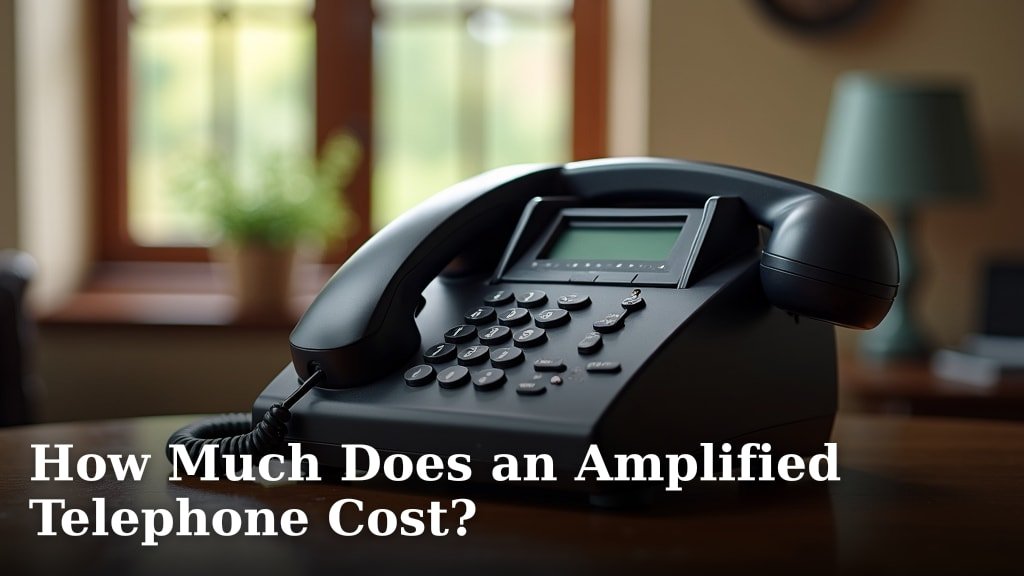
Before diving into the application, it helps to know what these phones do. A captioned telephone, or CapTel phone, is a special device. It provides real-time captions of what the other person says during a phone call. You speak normally, and as they respond, their words appear on a screen on the phone.
This is different from a standard amplified phone. Amplified phones only make the sound louder. CapTel phones offer a visual aid. This visual aid is incredibly helpful for people who miss parts of conversations due to hearing loss. We found that users often report feeling much more confident during calls.
The Technology Behind the Captions
How do these captions appear so fast? It’s a fascinating process. When you make a call, the conversation is routed through a specialized relay service. Trained Communication Assistants (CAs) listen to the other person’s voice. They then type what they hear. This text is sent to your phone’s screen.
This technology uses advanced speech-to-text software, but human assistance is often involved. This ensures accuracy. The speed is impressive. You’ll see the captions appear almost immediately after the other person speaks. We found that this near-instantaneous display is key to making conversations flow naturally.
Types of Captioned Phones Available
There are a few ways you can get a captioned phone. Some are specialized landline phones. These are designed with a screen built right in. Others are apps or software that work on your computer or smartphone. You might use your existing mobile device with an app. This offers flexibility for how and where you make calls.
The type you receive might depend on the program you go through and your personal preference. Some people prefer a dedicated device. Others like the convenience of using their own phone or computer. We found that there are good options for almost everyone. The goal is to find the best fit for your lifestyle.
The Role of Government Programs
Much of the coverage for captioned telephones comes from government initiatives. The Federal Communications Commission (FCC) plays a big role. They oversee the Telecommunications Relay Services (TRS) program. This program ensures that people with hearing and speech disabilities can communicate.
Captioned Telephone Service (CTS) is a part of TRS. It’s designed specifically for individuals with hearing loss. Many states have their own relay services and programs that work with the FCC’s guidelines. We found that these programs are well-established and designed to be accessible.
Federal Communications Commission (FCC) and TRS
The FCC mandates that telephone companies provide TRS. This includes CTS. They work with states to implement these services. The idea is to level the playing field for communication. No one should be excluded from phone access because of a disability. This is a civil rights issue as much as a technological one.
The FCC’s regulations mean that you can often get a captioned phone at no or very low cost. This is a huge benefit. It removes a financial barrier that might otherwise prevent someone from accessing this helpful technology. We found that people are often pleasantly surprised by how affordable these phones can be.

Steps to Apply for a Captioned Telephone
Ready to take the next step? The application process is usually straightforward. It generally involves a few key stages. You’ll need to identify the right program, get your medical certification, and then apply. We’ve put together a simple checklist to guide you.
Step 1: Find Your State’s Relay Program
Your first move is to find out which program serves your state. Many states have websites dedicated to TRS and CTS. You can usually find these by searching online for “your state Captioned Telephone” or “your state TRS.” These sites will have information on eligibility and how to apply.
We found that calling your state’s relay program directly is also a great option. They can answer your questions and guide you to the correct forms. It’s important to use the official program for your state. This ensures you’re applying for a service that’s properly recognized and funded.
Step 2: Get Your Hearing Loss Certified
Once you know which program you’re using, you’ll need that certification form. As we mentioned, this is from a qualified hearing professional. Schedule an appointment with your audiologist or doctor. Explain that you need a certification for a captioned telephone. They will likely have the specific form required by your state’s program.
Make sure they fill it out completely and accurately. Any missing information could delay your application. We found that some people get this form ahead of their appointment. They can then hand it directly to the professional. This saves a step later.
Step 3: Submit Your Application
With the certification in hand, you’re ready to apply. Your state’s relay program website will have instructions on how to submit the form. This might be online, by mail, or even by fax. Follow their directions carefully. You’ll likely need to include your completed certification form.
There might be other forms to fill out. These often ask for your contact information and address. Once submitted, your application will be reviewed. If approved, the program will then work with you to get your captioned telephone. We found that patience is key during this stage. The process can take a few weeks.
What to Expect After Approval
Congratulations! Once your application is approved, you’re on your way to getting your new phone. The program will typically work with an approved vendor. They will help you choose a phone that meets your needs. This could be a dedicated CapTel device or an app for your smartphone.
The vendor will then arrange for the phone to be shipped to you. Many programs also offer setup assistance. A technician might help you install the phone and learn how to use it. This ensures you can start making calls right away. We found that this support is very helpful for many users.
Device Options and Training
You’ll have a few options for the type of device. Some are simple, with large buttons and bright screens. Others are more advanced, with features like contact lists and speed dial. Your state’s program will guide you through what’s available.
Don’t hesitate to ask for training. Understanding all the features of your new phone can make a big difference. A good training session can boost your confidence. It ensures you can use the phone effectively for all your communication needs. We found that users who take advantage of training report higher satisfaction.
Troubleshooting and Support
Like any technology, your captioned phone might occasionally need support. If you encounter any issues, contact the vendor or your state’s relay program. They can help with troubleshooting. They can also assist with repairs or replacements if needed.
We found that reliable customer support is a key part of the service. You shouldn’t have to struggle with a phone that isn’t working correctly. Knowing where to turn for help makes the whole experience much smoother. This ongoing support is part of what makes these programs so effective.
Checklist: Getting Your Captioned Phone
- Confirm Hearing Loss: Visit an audiologist or doctor for a hearing evaluation.
- Get Certification: Obtain the required medical certification form.
- Find Your State Program: Locate your state’s official TRS/CTS website.
- Submit Application: Complete and send in your application with the certification.
- Await Approval: Be patient as your application is processed.
- Receive Your Phone: Follow instructions to get your device and set it up.
Conclusion
You’ve learned that insurance often covers captioned telephones, making them accessible to many. The key is understanding your eligibility, which primarily involves having a medically recognized hearing loss. Remember to get proper documentation from a healthcare professional. Then, find your state’s official relay program to start the application process. Taking these steps can help you stay connected and enjoy phone conversations more fully. Your next move is to contact your state’s relay service program to begin your application.
Frequently Asked Questions
How quickly can I get a captioned phone after applying?
The time it takes to receive your captioned phone can vary. After your application is approved, the program will work with a vendor to ship the device. This process typically takes a few weeks. Be patient during this stage, and don’t hesitate to follow up with your state program if you have concerns.
Can I choose any brand of captioned phone?
Your state’s relay program will usually offer a selection of approved captioned phone models. You may have some choice based on your needs and preferences. The program will guide you on the available options from their partnered vendors.
What if my hearing loss is mild, do I still qualify?
Qualification generally requires a hearing loss that significantly impacts your ability to use a standard telephone. A mild hearing loss might not meet the criteria. A certified hearing professional will assess your specific needs and determine your eligibility for a captioned telephone.
Are there any hidden costs for captioned phones covered by insurance?
For most government-funded programs like those overseen by the FCC, captioned telephones are provided at little to no cost to eligible individuals. This includes the phone itself and often setup assistance. Always confirm any potential fees with your specific state relay program.
What happens if my captioned phone breaks?
If your captioned phone encounters issues, you should contact your state’s relay program or the approved vendor. They can assist with troubleshooting, repairs, or replacement if necessary. Reliable support is a key part of the service to ensure you can always communicate.