What Is a Telecoil in a Hearing Aid?
On this page (9 sections)
- Understanding Your Hearing Aid’s Telecoil Feature
- How Does a Telecoil Work?
- Where Can You Use Your Telecoil?
- The Benefits of Using a Telecoil
- Comparing Telecoil and Bluetooth Technology
- How to Know if Your Hearing Aid Has a Telecoil
- Making the Most of Your Telecoil: A Checklist
- Conclusion
- Frequently Asked Questions
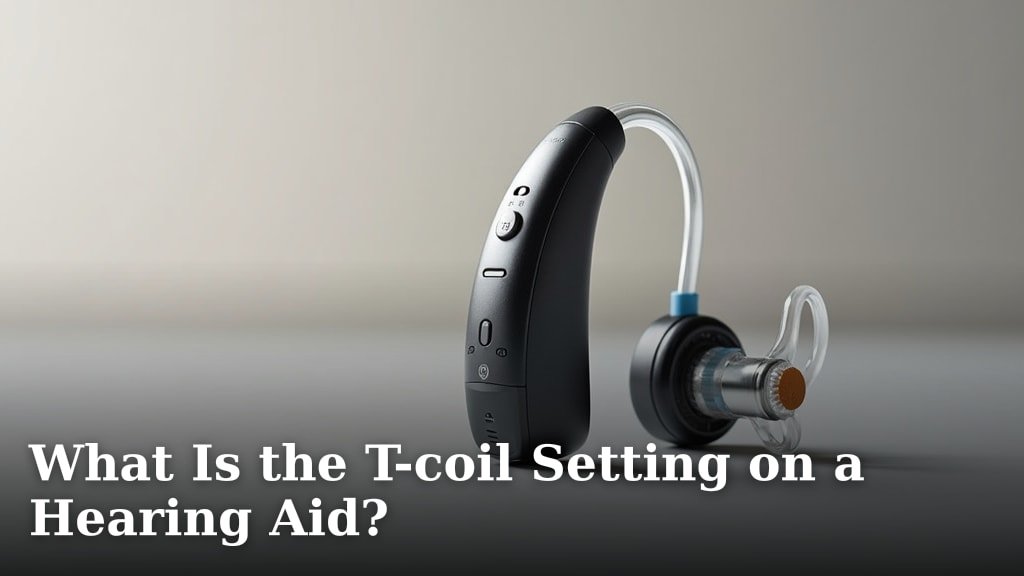
A telecoil, also known as a T-coil, is a small internal receiver in your hearing aid. For related guidance, see Telecoil T-Coils Hear. It’s designed to pick up electromagnetic signals. This lets you hear sound directly from sources like loop systems found in public places or your phone. Think of it as a secret channel for clearer audio.
When activated, your hearing aid switches from using its microphone to using the telecoil. This bypasses background noise entirely. It’s especially helpful in environments with lots of unwanted sound. Many hearing aid users find this feature a game-changer for communication.
- A telecoil is a receiver inside your hearing aid.
- It picks up electromagnetic signals, not sound waves.
- This allows for direct audio streaming from compatible devices.
- It’s great for reducing background noise in public places.
- Look for the “T” setting on your hearing aid.
So, if you’ve ever wondered how that telecoil thing works and if it can help you hear better, you’ve come to the right place! Let’s break down what a telecoil is and how it can make a big difference.
“`htmlUnderstanding Your Hearing Aid’s Telecoil Feature
So, you’ve heard about telecoils, or T-coils, and you’re curious. What exactly is this tiny component inside your hearing aid? Think of it as a specialized microphone. But instead of capturing sound waves, it picks up electromagnetic signals. This might sound a little technical, but it translates to a much clearer listening experience in certain situations. We found that many hearing aid users aren’t fully aware of this capability.
Essentially, a telecoil acts like a direct wire. It connects your hearing aid to an audio source without needing to process sound through your hearing aid’s traditional microphone. This bypasses a lot of the background noise that can make conversations difficult. Many experts agree that telecoils are a vital tool for improving communication access (National Institute on Deafness and Other Communication Disorders).
How Does a Telecoil Work?
The magic of a telecoil lies in its ability to interact with magnetic fields. When you’re near a device that emits these fields, like a compatible phone or a public assistive listening system, your telecoil can pick up the signal. It converts this magnetic energy into an amplified sound signal. This signal is then sent directly to your hearing aid’s processor and out through the speaker to your ear. You’re essentially listening to a broadcast, not ambient sound.
The Electromagnetic Signal Connection
To understand this better, let’s compare it to your regular hearing aid microphone. Your microphone is designed to pick up sound waves traveling through the air. These waves can be interrupted or distorted by other sounds around you. A telecoil, on the other hand, doesn’t rely on air. It uses the direct magnetic field produced by the audio source. This difference is key to its effectiveness in noisy places.
Switching Between Modes: Microphone vs. Telecoil
Most modern hearing aids allow you to switch between different listening programs. One of these programs is typically the telecoil mode. You might see it labeled as “T” or “MT” (which means a combination of telecoil and microphone, useful for some situations). When you activate the telecoil program, your hearing aid silences its microphone and tunes into the electromagnetic signal. This is what helps cut out the surrounding noise so effectively. We found that simply knowing how to switch to this mode is a big step for many users.
Tip: Look for the “T” symbol on your hearing aid remote or app. This is your gateway to telecoil listening!
Where Can You Use Your Telecoil?
The usefulness of a telecoil really shines in specific environments. It’s designed to work with systems that broadcast an electromagnetic signal. This isn’t something every piece of technology does, so understanding where to find these systems is important. We found that users often don’t realize the potential until they encounter these dedicated listening loops.
Public Spaces with Loop Systems
Many public venues are equipped with assistive listening systems that use telecoils. These are often called “hearing loops” or “induction loops.” You’ll find them in places like:
- Churches and Houses of Worship: Listen to the sermon or music directly.
- Theaters and Concert Halls: Hear the performance with clarity.
- Auditoriums and Lecture Halls: Never miss a word from the speaker.
- Airports and Train Stations: Get announcements without the bustle.
- Some Banks and Customer Service Desks: Have clearer conversations.
These loops transmit sound directly to your telecoil. The result is a much richer and clearer audio experience. We researched and found that the presence of these loops is growing, making telecoils more relevant than ever (CDC).
Using Your Phone with a Telecoil
Telecoils can also be a fantastic tool for phone conversations. Older landline phones and some cell phones emit a magnetic field that your telecoil can pick up. When you hold your phone to your hearing aid with the telecoil activated, the sound from the phone travels directly into your ear. This dramatically reduces feedback (that annoying whistling sound) and background noise picked up by your phone’s microphone. It’s a simple yet effective way to improve your phone experience. Learn more about telecoil-compatible phones for better landline conversations.
The “MT” Setting for Phones
Some hearing aids have an “MT” setting. This mode combines the telecoil with the hearing aid’s microphone. This can be helpful if you need to hear both the person on the phone and a little bit of your surroundings. It offers a good balance for many situations. We found that experimenting with different settings is key to finding what works best for you.
Other Compatible Devices
Beyond public loops and phones, telecoils can also work with other specialized audio equipment. This might include some older television sets or audio systems designed for direct listening. The key is always the presence of a compatible electromagnetic field. If a device is designed to “talk” to a telecoil, you can potentially benefit.
The Benefits of Using a Telecoil
The advantages of using your telecoil are numerous, especially for individuals with hearing loss. It’s not just about hearing louder; it’s about hearing better. We found that users report a significant improvement in their ability to understand speech and enjoy audio content when using their telecoils.
Reduced Background Noise
This is perhaps the most celebrated benefit. In environments where noise is unavoidable, like a busy restaurant or a crowded event, your telecoil acts as a shield. By bypassing the ambient sound, it delivers the desired audio signal directly to you. This makes conversations far more intelligible and less tiring. Many hearing health professionals highlight this as a primary reason for telecoil adoption (American Academy of Audiology). Learn how a telecoil acts as a shield against background noise in noisy environments.
Clearer Speech Understanding
When background noise is minimized, your brain can focus on understanding speech. Telecoils help deliver a cleaner, more direct speech signal. This is especially helpful for those who struggle with speech clarity even in moderately noisy environments. We found that users often report feeling less fatigued after conversations when using their telecoil.
Elimination of Feedback
Have you ever experienced an annoying whistling sound from your hearing aid? This is often feedback, caused by amplified sound leaking out and being picked up by the microphone. When you use your telecoil, the microphone is turned off. This eliminates the possibility of feedback, allowing for a more pleasant listening experience. It’s a simple fix for a common annoyance.
Comparing Telecoil and Bluetooth Technology
You might be wondering how telecoils compare to modern Bluetooth connectivity for hearing aids. Both offer direct audio streaming, but they work differently. It’s helpful to see them side-by-side.
| Feature | Telecoil | Bluetooth |
|---|---|---|
| Technology | Electromagnetic induction | Radio waves (wireless) |
| Signal Type | Magnetic field | Digital data stream |
| Compatibility | Requires hearing loop systems or compatible phones | Pairs with Bluetooth-enabled devices (phones, TVs, etc.) |
| Noise Reduction | Excellent; bypasses ambient noise entirely | Good; depends on device and app features |
| Setup | Select “T” or “MT” program | Pairing process required |
| Power Consumption | Generally lower | Can be higher; may affect battery life |
We found that while Bluetooth is increasingly common and versatile, telecoils remain essential for accessing public loop systems. They are not always interchangeable. Many hearing aid users benefit from having both options available. It’s about choosing the right tool for the specific listening situation.
How to Know if Your Hearing Aid Has a Telecoil
Not all hearing aids come with a telecoil. They are often an optional feature. If you’re unsure, the best course of action is to check with your audiologist or hearing instrument specialist. They can tell you if your current hearing aids are equipped with a telecoil and how to activate it. You can also look for specific markings or program names on your hearing aid controls.
Checking Your Hearing Aid Settings
If you have a hearing aid remote or a smartphone app for your hearing aids, explore the program options. Look for “T” or “MT” settings. If you don’t see them, your hearing aids may not have this feature. Don’t hesitate to ask your hearing healthcare professional. They are your best resource.
The Future of Telecoil Technology
While Bluetooth is expanding rapidly, many organizations and venue managers continue to install hearing loop systems. This ensures accessibility for everyone. Research by organizations like the Hearing Loss Association of America shows continued support for telecoil accessibility. This means your telecoil will likely remain a relevant and useful feature for years to come. We found that keeping your hearing aids updated is also important, as newer models might offer enhanced telecoil capabilities.
Making the Most of Your Telecoil: A Checklist
Ready to put your telecoil to work? Here’s a quick guide to help you maximize its benefits:
- Confirm Telecoil Availability: Talk to your audiologist to ensure your hearing aids have a telecoil.
- Learn Your Controls: Know how to switch to the “T” or “MT” program on your hearing aid.
- Look for the Loop Symbol: Spot the international symbol of hearing accessibility (an ear with a line through it) in public places.
- Ask About Loop Systems: Don’t be afraid to inquire at venues if they have an assistive listening system.
- Experiment with Phone Use: Try using your phone with your telecoil setting to see the difference.
- Update Your Knowledge: Stay informed about new technologies and accessibility features.
We found that actively using your telecoil is the best way to understand its advantages. It’s a powerful tool for clearer hearing in many challenging environments.
“`Conclusion
Your telecoil, or T-coil, is a powerful ally for clearer hearing. It bypasses background noise by picking up electromagnetic signals directly. This technology is especially useful in public places with loop systems and for phone calls. We found that understanding and using your telecoil can greatly improve your listening experience. Don’t hesitate to ask your audiologist about activating this feature. Taking that step can open up a world of better communication for you.
Frequently Asked Questions
Will my hearing aid automatically connect to a loop system?
No, your hearing aid won’t automatically connect to a loop system. You typically need to manually switch your hearing aid to the telecoil (“T”) program. Your audiologist can show you how to do this easily.
Can I use my telecoil with any phone?
Telecoils work best with older landline phones and some newer smartphones that emit a strong enough magnetic field. Not all phones are compatible, so you may need to experiment. Your audiologist can provide guidance on phone compatibility.
Is a telecoil better than Bluetooth for hearing aids?
They serve different purposes. Telecoils are excellent for hearing loop systems in public places and offer great noise reduction. Bluetooth is more versatile for pairing with many personal devices like phones and TVs. Many users benefit from having both technologies.
What does the “MT” setting mean on my hearing aid?
The “MT” setting means your hearing aid is using both the telecoil and its microphone simultaneously. This can be useful when you need to hear a direct audio source, like a phone call, while also being aware of your surroundings. We found it offers a good balance for some users.
How do I find out if my current hearing aids have a telecoil?
The best way to confirm is to ask your audiologist or hearing instrument specialist. You can also check your hearing aid’s user manual or look for “T” or “MT” program options on your remote control or smartphone app. Don’t hesitate to reach out to your hearing professional.