What Is an OTC Hearing Aid?
On this page (6 sections)
An OTC hearing aid is a device you can buy directly from a store or online without needing a prescription or a visit to an audiologist. Walmart also sells OTC hearing aids; see Walmart availability before shopping. These devices are designed for adults with perceived mild to moderate hearing loss. Think of them as reading glasses for your ears.
We found these accessible hearing solutions aim to make hearing care more affordable and convenient for many people. They offer a new path to better hearing, bypassing traditional clinical visits. This change makes it easier to get help sooner.
- OTC hearing aids are for mild to moderate hearing loss.
- No prescription or professional fitting is needed.
- They are more accessible and often more affordable.
- You can buy them online or in many retail stores.
- They offer a convenient option for adults.
Let’s walk through exactly what you need to know about these new devices. We’ll help you understand if an OTC hearing aid might be right for you.
Understanding OTC Hearing Aids
An OTC (Over-The-Counter) hearing aid is a type of hearing device you can buy directly, just like reading glasses. These devices are for adults who perceive they have mild to moderate hearing loss. You won’t need a doctor’s visit, a hearing exam, or a prescription to get one. We found this makes them much more accessible than traditional hearing aids.
This new category of hearing aids came about in 2022 after new federal regulations. The goal was to give more people access to hearing support. Many experts say this move could help millions of Americans who previously couldn’t afford or access traditional hearing care (FDA).
Who Are OTC Hearing Aids For?
So, are these devices right for you? OTC hearing aids are specifically for adults aged 18 and older who feel they have mild to moderate hearing loss. This means you might have trouble hearing in noisy places, struggle with soft voices, or find yourself turning up the TV volume often.
How do you know if your hearing loss is “mild to moderate” and not more severe? Think about your everyday listening experiences. If you have significant difficulty understanding speech even in quiet environments, or if you struggle to hear loud sounds, your hearing loss might be more than mild to moderate. In these cases, we found it’s always best to consult a hearing professional.
How Are They Different from Traditional Hearing Aids?
This is a big question for many people. The main differences lie in how they are obtained, their features, and who they are designed to help. Traditional hearing aids often require a visit to an audiologist for a comprehensive exam, a prescription, and custom fitting.
OTC hearing aids, on the other hand, skip these steps. You can purchase them on your own, right off the shelf or online. This means greater convenience and often a lower cost. However, this also means you are responsible for much of the setup and adjustment yourself.
Key Distinctions at a Glance
| Feature | OTC Hearing Aids | Traditional Hearing Aids |
|---|---|---|
| Accessibility | Direct purchase (online, retail) | Prescription required after exam |
| Fitting | Self-fitting or pre-set programs | Professional custom fitting |
| Target Users | Adults with perceived mild-moderate loss | All degrees of hearing loss (mild to profound) |
| Professional Involvement | Minimal to none | Required for evaluation, programming, and follow-up |
| Cost | Generally lower | Generally higher |
| Features | Basic to advanced, user-adjustable | Highly customizable, advanced features |
As you can see, the path to getting each type of device is quite different. Your needs and preferences will guide which option is best for you.
What Can You Expect from an OTC Device?
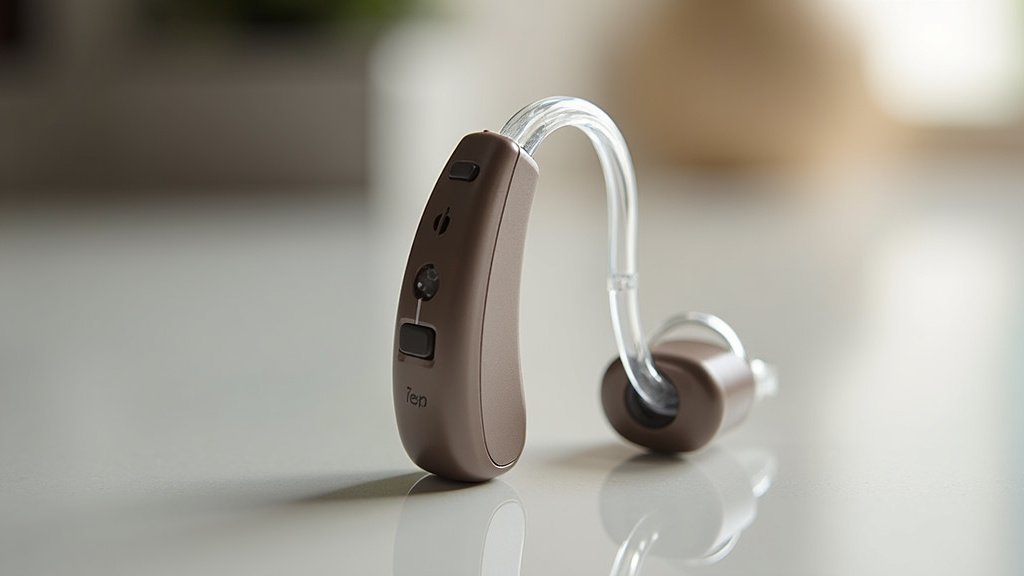
When you buy an OTC hearing aid, what exactly are you getting? We found these devices vary in design and features, but they all share a core purpose: to make sounds louder and clearer. Most models are rechargeable, feature some level of noise reduction, and offer various listening programs you can adjust yourself.
Many OTC devices connect to a smartphone app. This app lets you control settings, like volume and sound profiles, right from your phone. It’s like having a remote control for your ears, offering a good level of personal customization without needing an expert to do it for you (NIH).
Features to Look For
Shopping for an OTC hearing aid can feel a bit like buying a new pair of headphones, so compare brands and features before choosing. There are many options! We’ve noticed a few features tend to make a big difference in user satisfaction:
- Easy-to-use controls: Can you easily adjust the volume and switch between listening modes?
- Comfortable fit: Does it feel good in your ear? Many come with different size ear tips.
- Rechargeable battery: Most people prefer not to deal with tiny disposable batteries.
- Smartphone app compatibility: This can offer advanced controls and personalized settings.
- Feedback suppression: Does it help prevent that annoying whistling sound?
- Noise reduction: Can it make conversations clearer in noisy environments?
Think about what’s most important to you when choosing. Will you primarily use them at home, or do you need them for bustling social events?
Getting Started with Your OTC Hearing Aid
Once you’ve purchased an OTC hearing aid, the next step is getting it set up. This is where the self-fitting aspect comes into play. Most devices come with clear instructions, and many have accompanying apps that guide you through the process step-by-step.
You’ll typically start by choosing the right ear tips for your ears when you self-fit OTC hearing aids. A snug, comfortable fit is key for both sound quality and preventing feedback. Then, you’ll likely go through an initial setup process using the device’s controls or a smartphone app. This might involve adjusting volume, choosing a basic sound profile, or even a simple hearing test within the app to personalize settings.
Initial Adjustments and Expectations
Don’t expect perfect hearing the moment you put them in. Your brain needs time to adjust to new sounds. It’s much like starting a new exercise routine; you don’t become a master overnight. Start by wearing them for short periods in quiet environments and gradually increase the time and listen in more complex settings.
You might find sounds are initially too loud or unusual. That’s normal. Use the controls to make small adjustments. Experiment with different settings. We found patience is important during this initial period (Cleveland Clinic). If something feels acutely uncomfortable or causes pain, stop use and consider returning the device or seeking professional advice.
When to Consider a Professional Hearing Evaluation
While OTC hearing aids offer a convenient solution for many, they are not for everyone. If you experience certain symptoms, it’s wise to get a professional evaluation before relying solely on an OTC device. This is crucial for your overall ear health.
Here’s a quick checklist to help you decide when a professional visit is a good idea:
Consider seeing a hearing professional if you:
- Experience sudden hearing loss in one or both ears.
- Have hearing loss only in one ear.
- Have ear pain, discharge, or active ear infections.
- Notice dizziness, vertigo, or balance issues alongside hearing loss.
- Hear ringing or roaring sounds (tinnitus) that bother you or are new.
- Suspect your hearing loss is severe rather than mild to moderate.
- Have difficulty understanding speech even with an OTC hearing aid.
These symptoms could point to underlying medical conditions that need professional diagnosis and care. An OTC device might mask a more serious issue rather than treat it. Your doctor or an audiologist can provide a comprehensive assessment (Mayo Clinic).
Remember, an OTC hearing aid is a tool to help with hearing, not a medical treatment for ear conditions. Knowing when to seek expert advice ensures you’re taking the best steps for your hearing health journey.
Conclusion
OTC hearing aids offer a promising option if you have perceived mild to moderate hearing loss. They provide an accessible and affordable way to improve your hearing without needing a prescription or a professional fitting. Remember, these devices are about personal convenience and self-management. Take your time to adjust, explore their features, and listen to your body. If you have any concerns or your symptoms don’t improve, always consider a professional evaluation. Prioritizing your long-term hearing health is always the smartest move.
Frequently Asked Questions
Can I use an OTC hearing aid if I only have hearing loss in one ear?
It’s generally recommended to see a professional if you only experience hearing loss in one ear. This could be a symptom of an underlying medical condition that needs a doctor’s attention. An OTC device might mask a more serious issue.
Will my insurance cover the cost of an OTC hearing aid?
Most private health insurance plans and Medicare generally do not cover OTC hearing aids at this time. However, some plans might offer discounts or allowances. Always check directly with your insurance provider to understand your specific benefits.
How long do OTC hearing aid batteries last?
Battery life varies widely depending on the model and usage. Many modern OTC hearing aids feature rechargeable batteries that can last all day on a single charge. Devices using disposable batteries typically last several days to a week, depending on the battery size and how often you use specific features like streaming.
What if an OTC hearing aid doesn’t work for me?
If an OTC hearing aid isn’t providing the improvement you expect or if it causes discomfort, you have options. Most retailers offer return policies, so check these before purchasing. You should also consider getting a professional hearing evaluation. A hearing care specialist can help determine if a different solution is right for you.
Are OTC hearing aids safe to use?
Yes, OTC hearing aids are regulated by the FDA and are considered safe for adults with perceived mild to moderate hearing loss. They undergo specific testing requirements before being sold to the public. However, always follow the manufacturer’s instructions for safe use and maintenance.