What Is the Difference Between Open Fit and Closed Fit Domes?
On this page (8 sections)
The main difference between open fit and closed fit domes for hearing aids comes down to how they seal your ear canal. An open fit dome offers a looser seal, letting some sound escape and enter naturally. A closed fit dome provides a tighter seal, blocking out more ambient noise and directing sound straight into your ear.
Choosing the right dome type is important for your hearing aid’s performance. The open fit is great for mild hearing loss as it keeps sound natural. The closed fit is better for more significant hearing loss, helping to boost clarity by reducing background distractions. We found that this choice greatly impacts comfort and sound quality.
- Open fit domes allow more natural sound in and out.
- Closed fit domes create a better seal for clearer sound.
- The right fit depends on your hearing loss level.
- Comfort and sound quality are key factors.
Let’s walk through exactly what each type means for your daily listening experience.
Understanding Your Hearing Aid Dome Options: Open vs. Closed Fit
So, you’ve got hearing aids, and now you’re wondering about these little dome tips. They might seem small, but they play a huge role. The main job of a dome is to direct sound from your hearing aid into your ear canal. The difference between an open fit and a closed fit dome is all about how well they seal your ear. This seal impacts both comfort and how well you hear. Let’s break down what makes them different and which might be best for you.
What Exactly Are Hearing Aid Domes?
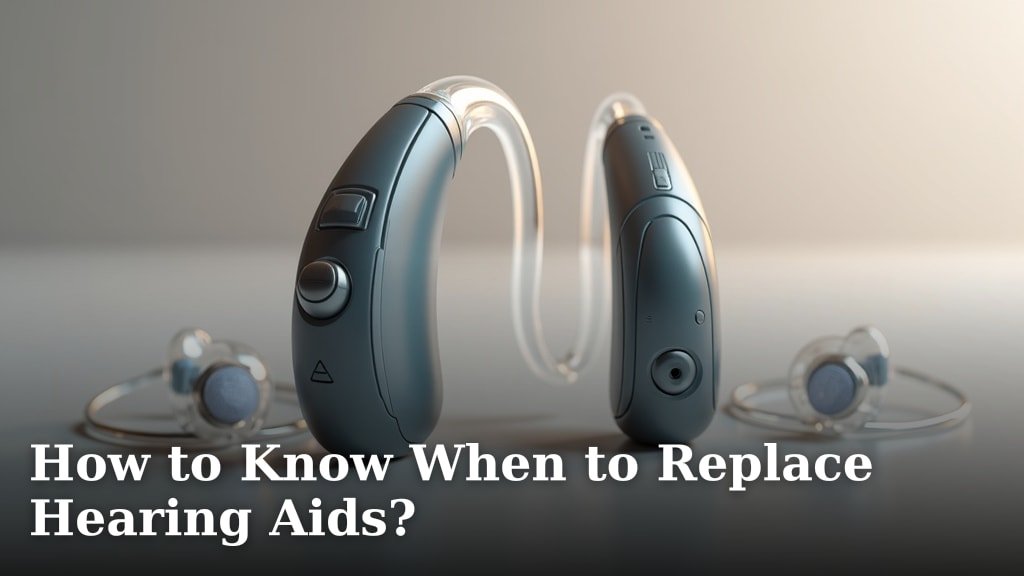
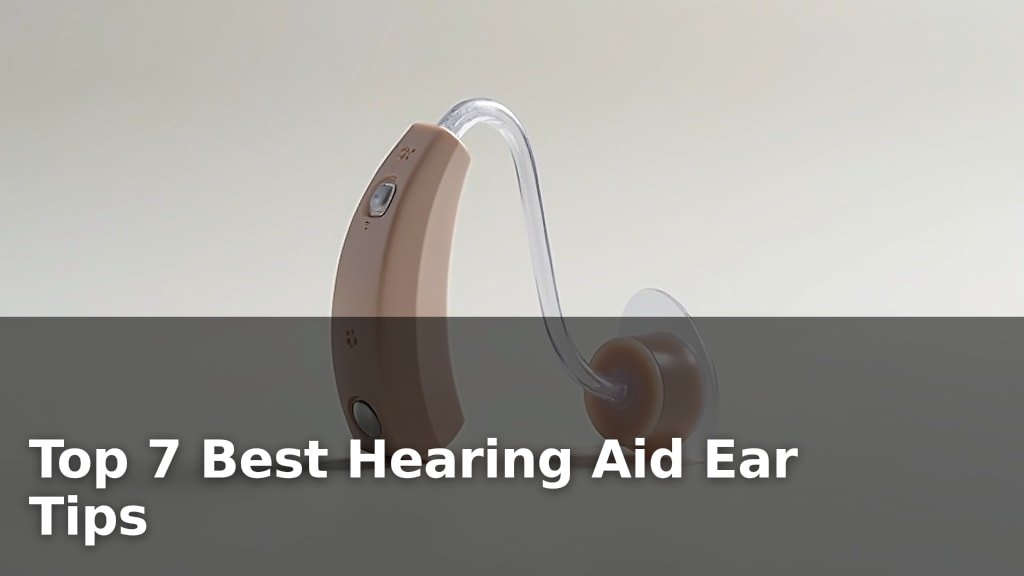
Think of hearing aid domes as the tiny, soft tips that attach to the end of the sound tube on your hearing aid. They sit inside your ear canal. Their primary function is to ensure the sound from your hearing aid gets delivered effectively. They also help to keep the hearing aid receiver in place. You’ll find them in various sizes and shapes. These variations are designed to fit different ear canal sizes and provide different levels of sound control.
The Purpose of the Dome’s Seal
The seal your dome makes in your ear canal is incredibly important. It affects how much sound escapes and how much background noise gets in. A good seal helps to prevent feedback, that annoying whistling sound. It also ensures that the amplified sound from your hearing aid is what you hear, rather than sound getting lost around the dome. This is especially true for lower frequency sounds which can escape more easily.
Open Fit Domes: Letting Sound Flow
An open fit dome is designed to create a looser seal within your ear canal. Imagine a loosely woven basket – it lets air and some sound pass through. This design allows your natural hearing to mix with the amplified sound from your hearing aid. This often feels more natural, especially if you don’t have severe hearing loss.
How Open Fit Domes Work
With an open fit dome, there’s a small gap. This gap lets some of the sound from your surroundings enter your ear. It also allows some of the amplified sound from your hearing aid to escape. This means you still get the benefit of your hearing aid, but it doesn’t completely block out the world. Many audiologists find this is a good choice for people with mild to moderate hearing loss. It helps preserve the natural sound quality of your voice and the environment.
Benefits of Open Fit
- Natural Sound Quality: You can hear both amplified sounds and ambient noise.
- Comfortable for Mild Loss: Less likely to feel “plugged up.”
- Reduces Echo: Less chance of your own voice sounding boomy.
- Easier Acclimation: Many find them easier to get used to.
When Open Fit Might Not Be Ideal
If you have significant hearing loss, an open fit dome might not provide enough amplification. The sound could escape too easily. You might still struggle to hear conversations in noisy places. Additionally, if you experience a lot of feedback, an open fit dome might not be sufficient to prevent it.
Closed Fit Domes: Creating a Powerful Seal
A closed fit dome, on the other hand, aims for a tighter seal. Think of a tightly woven basket or even a stopper – it blocks things from getting in or out easily. This type of dome is designed to minimize sound leakage and block out more environmental noise. This helps deliver a more direct and powerful sound experience.
How Closed Fit Domes Work
When you use a closed fit dome, it creates a much more robust seal in your ear canal. This seal is very effective at blocking out ambient sounds. All the amplified sound from your hearing aid is directed straight into your ear. This is particularly beneficial for individuals with more significant hearing loss. It ensures that the full power of the amplification reaches your eardrum. Many hearing care professionals recommend this for clearer speech understanding in noisy environments.
Benefits of Closed Fit
- Maximum Amplification: Delivers the strongest sound possible to your ear.
- Excellent for Moderate to Severe Loss: Provides the boost needed for clarity.
- Noise Reduction: Blocks out more background distractions.
- Feedback Prevention: The tight seal significantly reduces whistling.
Considerations for Closed Fit
While effective, closed fit domes can sometimes feel less natural. Because they block more sound, you might feel a sense of fullness or occlusion in your ear. This is sometimes called the “occlusion effect,” where your own voice can sound boomy or hollow. For some, this feeling can take time to adjust to. It’s also important to ensure the size is just right to avoid discomfort.
Comparing Open and Closed Fit Domes Side-by-Side
Let’s put it all together to see the key distinctions. The choice really boils down to your specific hearing needs and what feels most comfortable for you. We found that a simple comparison can highlight the main differences.
| Feature | Open Fit Dome | Closed Fit Dome |
|---|---|---|
| Seal | Loose, allows some sound leakage/entry | Tight, creates a strong seal |
| Sound Delivery | Mixes natural sound with amplified sound | Directs amplified sound primarily |
| Best For | Mild to moderate hearing loss, natural sound preference | Moderate to severe hearing loss, noisy environments |
| Comfort | Less “plugged” feeling, natural | Can feel occlusive for some, takes adjustment |
| Feedback Risk | Slightly higher if not fitted properly | Significantly lower |
| Noise Handling | Less background noise blocking | More background noise blocking |
Which Dome Is Right for Your Hearing Loss?
This is a question many people ask, and it’s a great one! Research suggests that the degree of your hearing loss is a primary factor. For those with mild hearing loss, an open fit dome often works wonderfully. It preserves the natural sounds you can still hear. As hearing loss increases, the need for a tighter seal becomes more apparent. For moderate to severe hearing loss, a closed fit dome is frequently recommended. This ensures that the amplified sound isn’t lost before it reaches your ear. It maximizes the benefit of your hearing aid. Many guidelines from audiology associations point to this as a standard approach (American Academy of Audiology).
Considering Your Listening Environments
Your daily life also plays a big part. Do you spend most of your time in quiet settings, like at home reading? Or are you often in busy places, like restaurants or social gatherings? If your days are filled with chatter and background noise, a closed fit dome could offer significant relief. It helps to cut through the noise and focus on speech. If you primarily enjoy quiet environments and want to hear the gentle sounds of nature, an open fit might be more appealing. It allows you to stay connected to your surroundings without feeling overwhelmed.
Comfort and Fit: A Personal Journey
Ultimately, how the dome feels in your ear is just as important as how it sounds. No one wants to wear something that’s uncomfortable all day. Both open and closed fit domes come in various sizes. Finding the correct size is essential for both comfort and performance. A dome that’s too small might fall out or not seal properly. A dome that’s too large can cause soreness or irritation. Many audiologists will try a few different types and sizes with you to find that perfect match. It’s a collaborative process.
Tips for Ensuring a Great Fit
Here are a few things to keep in mind as you find your perfect dome:
- Pay attention to how it feels: Does it pinch? Does it feel loose?
- Listen for feedback: Are you hearing any whistling?
- Notice sound quality: Does your voice sound natural? Can you hear conversations clearly?
- Try different sizes: Don’t be afraid to ask for options.
- Consult your audiologist: They are the experts and can guide you.
Conclusion
You’ve learned that the choice between open fit and closed fit domes hinges on your unique hearing needs and comfort preferences. Open fit domes offer a more natural sound by allowing ambient noise to mix with amplified sound, ideal for mild to moderate loss. Closed fit domes create a powerful seal, maximizing amplification and reducing background distractions, which is often best for moderate to severe hearing loss. Don’t guess; schedule a follow-up with your audiologist. They can help you try different options and ensure you find the dome that provides the clearest sound and greatest comfort for your daily life.
Frequently Asked Questions
Will an open fit dome still help my hearing in noisy places?
An open fit dome is designed to let some outside sound in. This can make noisy environments challenging because it doesn’t block as much background noise. For better clarity in busy settings, a closed fit dome might be a better choice.
Can I use a closed fit dome if I only have mild hearing loss?
You can, but it might feel less natural. A closed fit dome creates a tight seal, which can make your own voice sound boomy, known as the occlusion effect. Many people with mild loss prefer the more open feel of an open fit dome.
How often should I replace my hearing aid domes?
It’s generally recommended to replace your domes every three to six months, or sooner if they become stiff, cracked, or discolored. Regular replacement ensures the best sound quality and a comfortable fit.
What if my hearing aid whistles with a closed fit dome?
Whistling, or feedback, usually means the seal isn’t tight enough or the dome size is incorrect. Your audiologist can check the fit and make sure you have the right size closed fit dome for your ear canal.
Can I switch between open fit and closed fit domes myself?
Yes, you can typically switch domes yourself. They usually just pull off the hearing aid receiver and the new one pushes on. However, if you’re unsure or experiencing issues, it’s always best to consult your audiologist for guidance.